 EN
EN

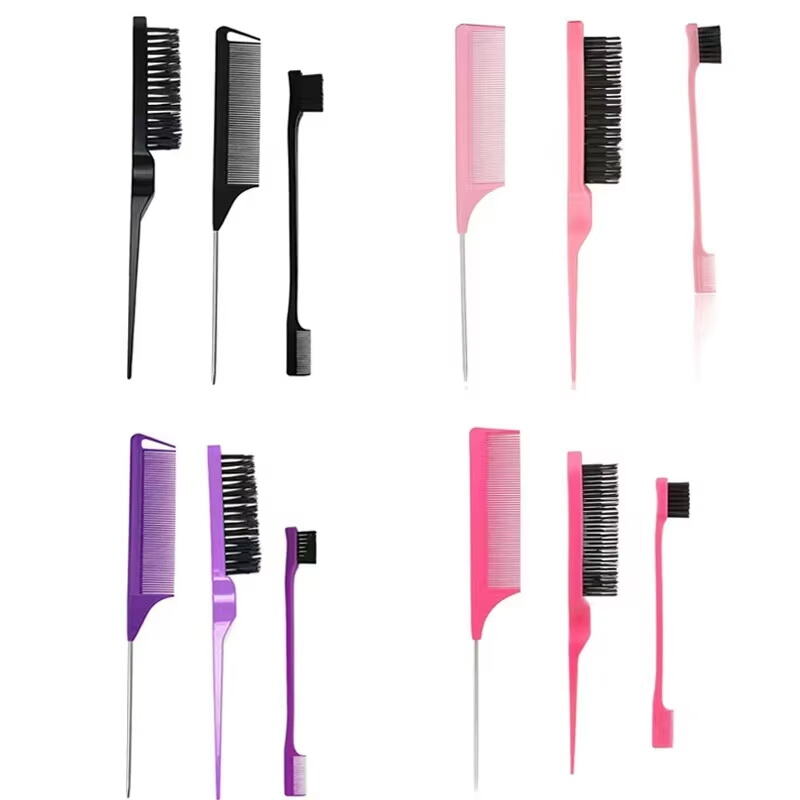
Professional stylists understand that precision in hair cutting depends heavily on the tools they use, and a quality hairdressing comb serves as the foundation for accurate sectioning and precise cuts. The relationship between proper combing technique and cutting accuracy has been proven through decades of professional salon experience, where stylists rely on specific comb designs to achieve consistent results. A well-designed hairdressing comb provides the control needed to create clean sections, maintain tension, and guide scissors along predetermined paths. Modern salon professionals recognize that investing in professional-grade combs directly impacts their ability to deliver precise, repeatable results for every client.
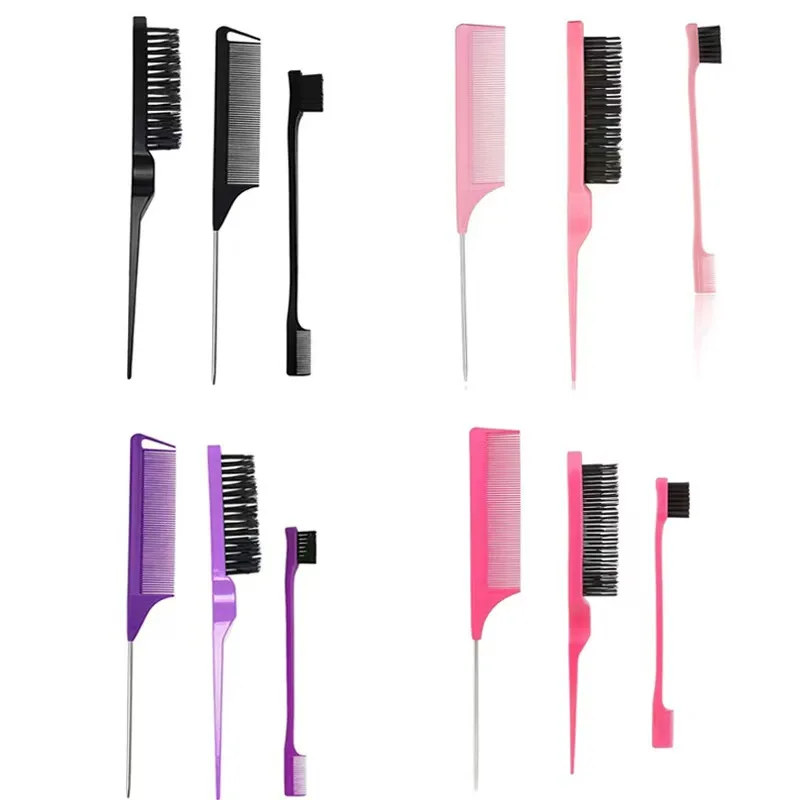
Essential Features of Professional Hairdressing Combs
Tooth Spacing and Design Considerations
The tooth spacing on a hairdressing comb determines its effectiveness for different hair types and cutting techniques. Fine-tooth combs excel at creating precise partings and working with detailed sections, while wider-spaced teeth handle thicker hair more efficiently. Professional stylists often prefer combs with graduated spacing, where one end features fine teeth for detail work and the other end has wider spacing for bulk sectioning. The angle and length of individual teeth also affect how smoothly the comb glides through hair and how well it maintains tension during cutting.
Carbon fiber and high-grade plastic materials offer superior durability and heat resistance compared to standard combs. These materials maintain their shape under professional salon conditions, including exposure to chemicals and high temperatures from styling tools. The smooth finish on quality hairdressing comb surfaces prevents hair snagging and reduces static buildup, which can interfere with precise sectioning and cutting accuracy.
Handle Ergonomics and Professional Use
Ergonomic handle design significantly impacts a stylist's ability to maintain precise control throughout extended cutting sessions. Professional hairdressing comb handles feature balanced weight distribution and textured grips that prevent slipping during wet cutting procedures. The length and thickness of the handle must accommodate different hand sizes while providing sufficient leverage for creating tight sections and maintaining consistent tension.
Extended use requires combs that minimize hand fatigue while maximizing control precision. Lightweight materials combined with balanced design allow stylists to work efficiently without compromising accuracy, even during complex cutting procedures that require numerous sectioning adjustments. The connection between handle comfort and cutting precision becomes particularly important during detailed work around the face and neckline areas.
Technical Aspects of Cutting Accuracy
Sectioning Precision and Hair Control
Accurate sectioning forms the foundation of professional haircuts, and a quality hairdressing comb provides the precision needed to create consistent sections throughout the cutting process. Clean, straight partings ensure that each section receives equal attention and maintains proper proportion within the overall haircut design. Professional stylists develop muscle memory for specific sectioning patterns, and reliable comb performance supports this consistency across different clients and hair types.
Tension control represents another critical factor in cutting accuracy, where the hairdressing comb serves as the primary tool for maintaining consistent pull on each section. Proper tension ensures that hair lies flat against the scalp and extends uniformly, allowing scissors to follow predetermined cutting angles without deviation. Variable tension techniques become possible with combs that offer secure grip and smooth operation through different hair textures and densities.
Guide Creation and Angle Maintenance
Professional cutting techniques rely on the hairdressing comb's ability to create and maintain cutting guides throughout the styling process. Initial guide sections establish the foundation length and angle, while subsequent sections must align perfectly to achieve seamless blending and consistent proportions. The comb's role in holding each section at the correct angle directly influences the final cut's accuracy and overall aesthetic appeal.
Angle consistency becomes particularly challenging when working around the head's natural curves and contours. A reliable hairdressing comb maintains its position and provides stable reference points, allowing stylists to follow established cutting lines without losing accuracy. This stability proves essential for creating graduated layers, maintaining perimeter lines, and achieving smooth transitions between different sections.
Impact on Different Cutting Techniques
Precision Cutting Methods
Precision cutting demands exceptional accuracy in both sectioning and angle maintenance, where the hairdressing comb becomes an extension of the stylist's technique. Point cutting, slide cutting, and other advanced methods require combs that respond predictably to subtle movements and maintain their position throughout complex manipulations. The comb's ability to isolate individual sections while maintaining overall pattern integrity directly affects the success of precision techniques.
Professional training emphasizes the relationship between comb technique and cutting accuracy, where proper comb handling becomes as important as scissor skills. Students learn to coordinate comb and scissor movements simultaneously, creating fluid motions that maintain section control while advancing through predetermined cutting patterns. This coordination requires combs with consistent performance characteristics that support muscle memory development and technique refinement.
Texturizing and Blending Applications
Texturizing techniques place unique demands on hairdressing comb performance, requiring tools that can isolate small sections while maintaining overall hair flow patterns. The comb must provide sufficient control for precise thinning and texturing work while allowing natural hair movement that creates organic-looking results. Professional texturizing relies on the stylist's ability to vary section sizes and angles subtly, which requires responsive comb performance throughout the process.
Blending techniques depend heavily on the hairdressing comb's ability to create smooth transitions between different lengths and textures. The comb must maintain consistent section thickness while allowing gradual length variations that create seamless blending effects. Professional stylists develop specific comb handling techniques for different blending applications, from subtle layer connections to dramatic length transitions that require precise section control.
Professional Standards and Quality Considerations
Industry Requirements for Professional Tools
Professional salon standards require hairdressing comb tools that maintain consistent performance under demanding conditions, including exposure to chemicals, heat, and frequent sterilization procedures. Quality combs resist warping, cracking, and tooth damage that could compromise cutting accuracy or harm clients' hair. Professional certification programs often specify minimum tool quality standards that ensure students learn proper techniques with reliable equipment.
Durability testing for professional hairdressing comb products includes resistance to common salon chemicals, temperature cycling, and mechanical stress from repeated use. Combs that pass these tests provide long-term reliability that justifies their investment cost and supports consistent professional performance. The correlation between tool quality and client satisfaction becomes evident when comparing results achieved with professional-grade versus consumer-level combs.
Maintenance and Longevity Factors
Proper maintenance extends hairdressing comb lifespan while preserving cutting accuracy throughout extended professional use. Regular cleaning protocols remove product buildup and hair residue that can affect comb performance and compromise hygiene standards. Professional-grade materials typically resist common cleaning chemicals and maintain their smooth finish despite frequent sterilization cycles.
Storage and handling practices significantly impact comb longevity and continued accuracy performance. Professional stylists develop specific storage routines that protect comb teeth from damage and prevent warping that could affect sectioning precision. Quality hairdressing comb products often include protective cases or storage solutions that support proper maintenance practices and extend useful life in busy salon environments.
Choosing the Right Hairdressing Comb for Accuracy
Assessment of Individual Needs
Selecting an appropriate hairdressing comb requires careful consideration of individual cutting styles, client demographics, and specific accuracy requirements. Stylists who specialize in precision cuts may prioritize different features compared to those focusing on creative texturizing or volume work. The assessment process should include evaluation of current technique strengths and areas where improved tool performance could enhance accuracy results.
Professional development goals also influence hairdressing comb selection, where advanced techniques may require specialized tools that support skill advancement. Stylists transitioning to new cutting methods often benefit from combs designed specifically for those techniques, providing the control and precision needed to master complex procedures. Investment in quality tools typically accelerates skill development and improves client satisfaction through more consistent results.
Integration with Existing Tool Sets
Professional hairdressing comb selection must consider compatibility with existing scissors, clips, and other tools to ensure seamless workflow integration. Combs that complement current tool ergonomics and handling characteristics support established muscle memory while potentially improving overall accuracy. The transition to new combs requires adjustment periods where stylists adapt their techniques to maximize new tool capabilities.
Workflow efficiency improves when hairdressing comb tools integrate smoothly with established professional routines and station organization systems. Combs with similar handling characteristics reduce learning curves while providing enhanced performance for accuracy-critical applications. Professional stylists often develop tool sets gradually, adding specialized combs that address specific accuracy challenges or support new technique development.
FAQ
How does comb quality affect haircut precision
Comb quality directly impacts haircut precision through consistent sectioning, reliable tension control, and smooth operation that prevents hair snagging or uneven distribution. Professional-grade hairdressing comb tools maintain their shape and performance characteristics under salon conditions, providing the stability needed for accurate cuts. Poor quality combs may flex, snag, or create uneven sections that compromise cutting accuracy and final results.
What features should professionals look for in cutting combs
Professional hairdressing comb selection should prioritize durable materials, ergonomic design, appropriate tooth spacing for intended applications, and resistance to chemicals and heat. Quality construction ensures consistent performance over time, while ergonomic features reduce fatigue during extended use. The comb should complement existing tools and support the stylist's specific cutting techniques and accuracy requirements.
Can the wrong comb damage hair during cutting
Inappropriate hairdressing comb selection can indeed damage hair through rough surfaces that cause snagging, improper tooth spacing that creates uneven tension, or poor materials that generate static electricity. Quality professional combs feature smooth finishes and appropriate design elements that protect hair integrity while providing necessary control for accurate cutting. Proper comb selection and technique prevent damage while supporting precision results.
How often should professional combs be replaced
Professional hairdressing comb replacement depends on usage intensity, maintenance quality, and performance standards, with quality tools often lasting several years under proper care. Signs that replacement is needed include tooth damage, warping, surface roughness, or any compromise in sectioning accuracy. Regular performance assessment ensures that combs continue meeting professional standards and supporting accurate cutting results throughout their useful life.