 EN
EN

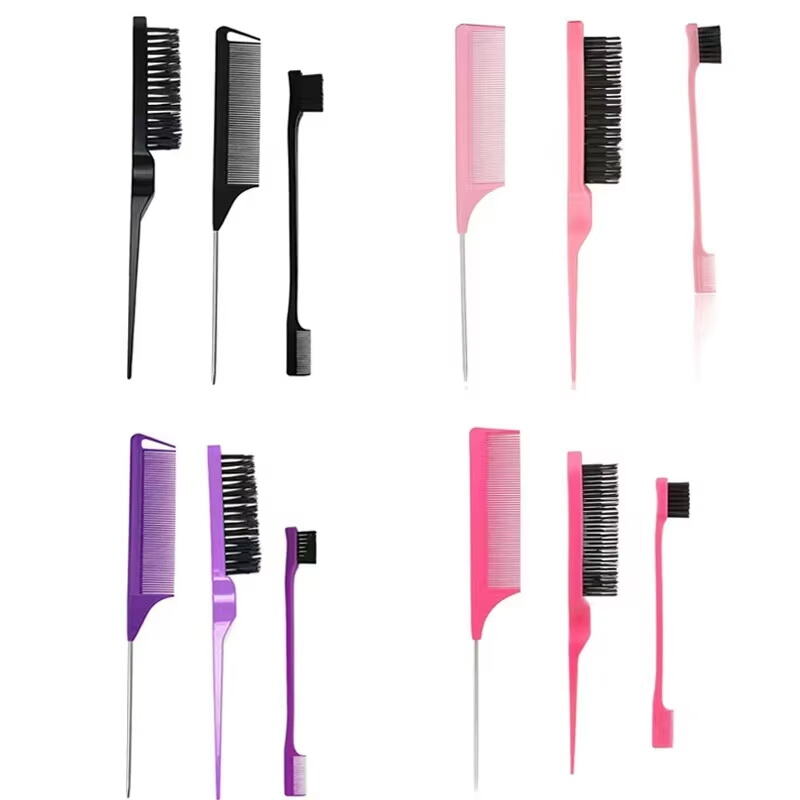
Professional hairstylists understand that achieving flawless results requires more than just skill and creativity—it demands the right tools. A hairdressing comb serves as the foundation of precision styling, enabling stylists to create clean sections, smooth textures, and perfectly defined shapes. Whether working with curly, straight, or textured hair, the quality and design of your comb directly impacts the final outcome of every styling session.
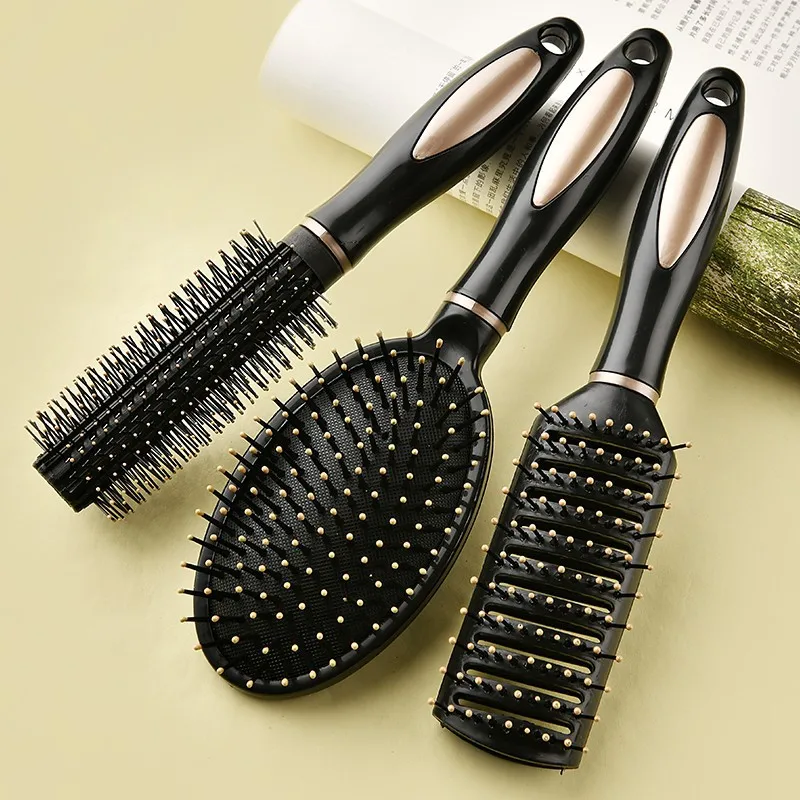
Modern salon environments demand tools that deliver consistent performance across diverse hair types and styling techniques. The evolution of comb technology has introduced advanced materials and ergonomic designs that enhance both stylist comfort and client satisfaction. Understanding how these specialized tools contribute to precision styling helps professionals make informed decisions about their equipment investments.
Essential Features of Professional Hairdressing Combs
Material Composition and Durability
High-quality hairdressing combs are typically manufactured from premium materials that resist chemical damage and maintain their shape over time. ABS plastic has emerged as a preferred material due to its exceptional durability, chemical resistance, and smooth finish. This synthetic polymer withstands repeated exposure to styling products, heat treatments, and sanitizing solutions without degrading or becoming brittle.
The manufacturing process involves precision molding techniques that ensure uniform tooth spacing and consistent thickness throughout the comb structure. Quality control measures include stress testing and chemical resistance evaluations to guarantee long-term performance in professional environments. These rigorous standards result in tools that maintain their precision even after thousands of uses.
Antistatic Properties and Hair Health
Static electricity poses a significant challenge during styling sessions, causing hair to become unmanageable and difficult to control. Professional-grade combs incorporate antistatic properties that neutralize electrical charges, allowing for smoother manipulation and reduced frizz. This feature proves particularly valuable when working with fine or chemically processed hair that tends to generate static buildup.
The antistatic coating applied to quality combs creates a protective barrier that prevents charge accumulation while maintaining the tool's structural integrity. This technology enables stylists to work more efficiently, reducing the time required to achieve desired results and minimizing hair damage from excessive manipulation. The smooth glide action also enhances client comfort during extended styling sessions.
Precision Sectioning Techniques
Creating Clean Parting Lines
Accurate sectioning forms the foundation of professional hairstyling, and a well-designed hairdressing comb enables stylists to create perfectly straight parting lines with minimal effort. The narrow tail design allows for precise placement, while the smooth edges prevent snagging or pulling that could disrupt the hair's natural lay pattern. This level of control proves essential when creating geometric cuts or intricate updos.
Professional stylists rely on consistent sectioning to ensure uniform color application, even cutting lines, and balanced proportions throughout the hairstyle. The ability to create repeatable sections saves time during complex procedures and helps maintain quality standards across all clients. Proper sectioning techniques also facilitate better communication between team members when multiple stylists work on a single client.
Managing Different Hair Textures
Various hair textures require specific approaches to achieve optimal results, and professional combs must adapt to these diverse needs. Curly hair benefits from wider tooth spacing that gently separates curls without disrupting their natural pattern, while straight hair responds well to finer teeth that create smooth, sleek sections. The versatility of professional combs allows stylists to adjust their technique based on individual client requirements.
Understanding how different comb designs interact with specific hair types enables stylists to select the most appropriate tool for each situation. This knowledge translates into more efficient service delivery and superior styling outcomes. The reduced manipulation required when using properly matched tools also minimizes potential damage and maintains hair health throughout the styling process.
Ergonomic Design and Professional Comfort
Handle Construction and Grip Stability
Extended styling sessions place significant demands on a stylist's hands and wrists, making ergonomic design crucial for long-term career sustainability. Professional hairdressing combs feature carefully engineered handles that distribute weight evenly and reduce strain on pressure points. The smooth plastic construction provides secure grip without requiring excessive force, allowing for precise control during delicate procedures.
The handle's proportional design ensures comfortable positioning for various hand sizes, accommodating different grip styles and working angles. This adaptability proves particularly important during complex styling techniques that require extended manipulation periods. Quality handles also resist slipping when wet, maintaining safety standards in professional environments where efficiency and precision are paramount.
Weight Distribution and Balance
Properly balanced combs reduce fatigue and enable more accurate control during styling procedures. The weight distribution between the handle and working end affects how the tool responds to stylist movements, influencing both precision and comfort. Professional-grade combs undergo careful engineering to optimize this balance, resulting in tools that feel natural in hand and respond predictably to directional changes.
The lightweight construction of modern materials like ABS plastic contributes to reduced hand fatigue without compromising durability or performance. This combination allows stylists to maintain consistent technique throughout long working days while preserving the precision required for high-quality results. The improved comfort also translates into better client experiences through smoother, more confident styling movements.
Maintenance and Hygiene Standards
Cleaning and Sanitization Protocols
Professional salon environments require strict adherence to hygiene standards, and hairdressing combs must withstand regular cleaning and sanitization procedures. Quality materials resist damage from disinfectant solutions while maintaining their structural integrity and performance characteristics. The smooth surface finish facilitates thorough cleaning by preventing the accumulation of hair products and debris in microscopic crevices.
Effective sanitization protocols involve multiple steps, including initial debris removal, thorough washing with appropriate solutions, and proper drying techniques. Professional combs designed for salon use accommodate these requirements without degrading or losing their precision over time. This durability ensures consistent performance while meeting health department regulations and industry best practices.
Longevity and Replacement Considerations
Investment in quality hairdressing tools pays dividends through extended service life and maintained performance standards. Premium combs retain their original dimensions and smooth finish even after years of professional use, providing consistent results throughout their operational lifespan. Regular inspection for signs of wear or damage helps stylists identify when replacement becomes necessary to maintain quality standards.
The cost-effectiveness of quality tools becomes apparent when comparing replacement frequency and performance consistency over time. While initial investment may be higher, the reduced need for frequent replacements and improved styling outcomes justify the expense. Professional stylists often maintain multiple high-quality combs to ensure uninterrupted service while tools undergo cleaning and sanitization procedures.
Integration with Modern Styling Techniques
Compatibility with Heat Styling Tools
Contemporary hairstyling frequently incorporates heat-based techniques that require tools capable of withstanding elevated temperatures without compromising performance. Professional hairdressing combs must maintain their shape and smooth finish when exposed to blow dryer heat or proximity to hot styling implements. Quality materials like ABS plastic offer excellent thermal stability while preserving the precision required for professional results.
The integration of combs with heat styling workflows demands careful consideration of material properties and design features. Tools that resist warping or surface degradation under thermal stress enable stylists to work more efficiently while maintaining consistent quality standards. This reliability proves particularly important during complex procedures that combine multiple techniques and temperature variations.
Chemical Resistance and Color Services
Hair coloring and chemical processing services expose styling tools to aggressive formulations that can degrade inferior materials. Professional hairdressing combs incorporate chemical-resistant properties that prevent staining, corrosion, and structural damage from repeated exposure to these substances. This resistance ensures tools maintain their appearance and performance throughout their service life.
The ability to withstand chemical exposure without contaminating subsequent services makes quality combs essential for full-service salons. Cross-contamination prevention requires tools that can be thoroughly cleaned and sanitized between clients without retaining residual chemicals. Professional-grade materials meet these demanding requirements while preserving the precision necessary for detailed color work and chemical processing procedures.
FAQ
What makes ABS plastic superior for professional hairdressing combs
ABS plastic offers exceptional durability, chemical resistance, and thermal stability that make it ideal for professional salon environments. This material maintains its shape and smooth finish even after repeated exposure to styling products, heat, and sanitizing solutions. The antistatic properties also help reduce frizz and make hair more manageable during styling procedures.
How often should professional hairdressing combs be replaced
High-quality professional combs can last several years with proper care and maintenance. Replacement becomes necessary when teeth become bent, the surface develops rough areas, or cracks appear in the material. Regular inspection helps identify wear patterns before they affect styling quality or client comfort.
Can the same comb be used for all hair types and textures
While professional hairdressing combs are designed for versatility, different hair types may benefit from specific tooth spacing and design features. Curly hair typically requires wider spacing to prevent disruption of natural curl patterns, while fine hair works better with closer tooth spacing for precise control. Many stylists maintain several specialized combs to optimize results for different client needs.
What sanitization methods are safe for professional hairdressing combs
Professional combs made from quality ABS plastic can safely undergo standard salon sanitization procedures including EPA-approved disinfectant solutions, UV sanitizers, and autoclave sterilization. Always follow manufacturer guidelines and local health department regulations for proper cleaning protocols. Thorough rinsing and complete drying help maintain tool longevity and performance.