 EN
EN

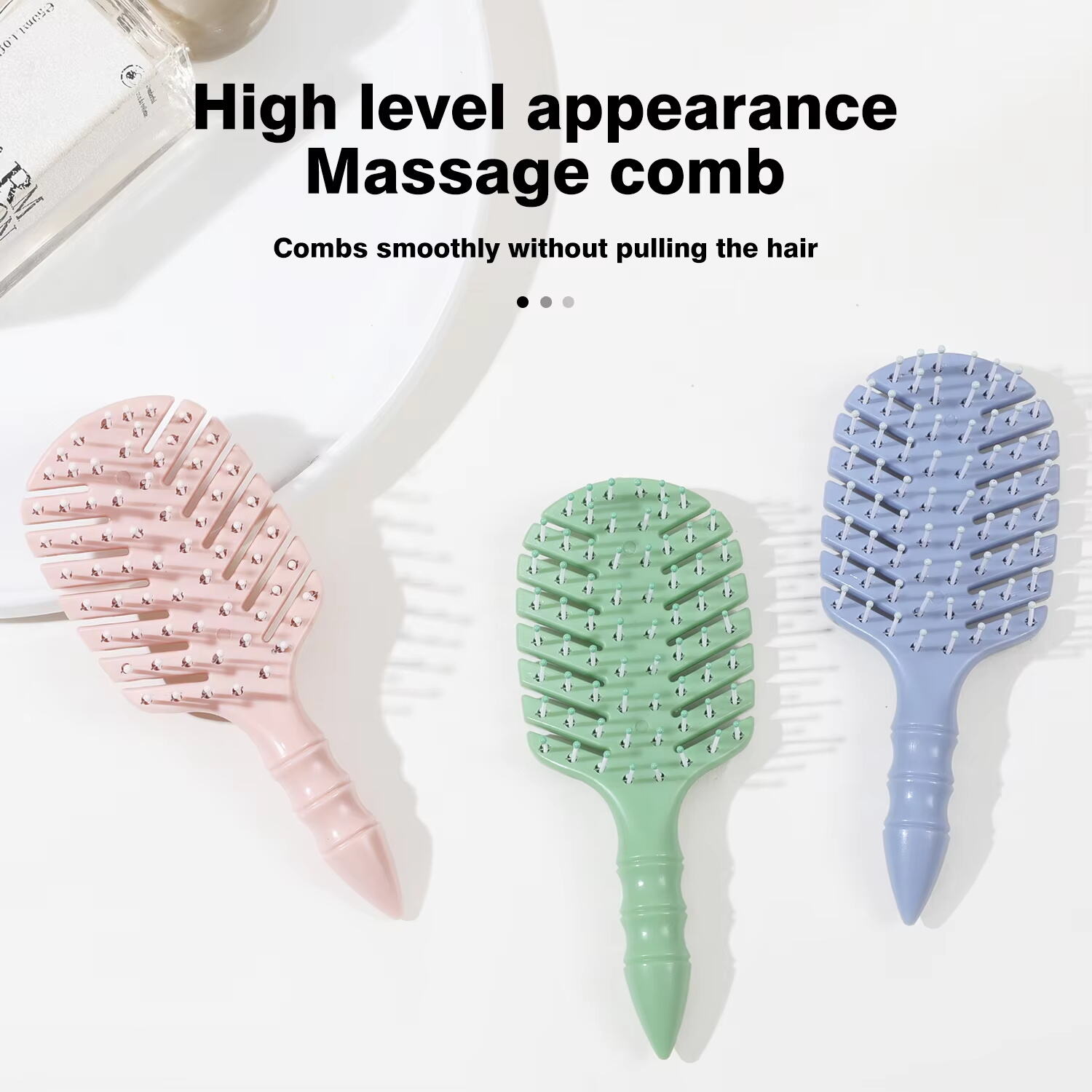
Understanding the Connection Between Hair Health and Brushing Techniques
The relationship between your hairbrush and the health of your hair is more significant than you might realize. Every stroke of a hairbrush can either nurture your locks or contribute to damage, making it essential to understand how this daily tool impacts your hair's overall condition. Modern hair care has evolved significantly, and the humble hairbrush has transformed from a simple grooming tool into a sophisticated instrument designed to protect and enhance hair health.
When used correctly, a quality hairbrush can significantly reduce hair breakage and damage while promoting healthier, shinier locks. The key lies not just in the type of hairbrush you choose, but also in how you use it. Many people unknowingly damage their hair through improper brushing techniques or by using the wrong type of brush for their hair texture and style.
The Science Behind Hair Damage Prevention
How Different Brush Materials Affect Your Hair
The material of your hairbrush plays a crucial role in preventing hair damage. Natural bristles, such as boar bristles, distribute your scalp's natural oils throughout the hair shaft, reducing friction and potential breakage. Synthetic materials like nylon can be gentler on wet hair and help detangle without causing excessive stress on the strands.
Advanced hairbrush technologies now incorporate materials like ceramic and tourmaline, which help reduce static electricity and promote smoother hair cuticles. These materials work in harmony with your hair's natural structure, minimizing the risk of breakage during daily styling routines.
The Role of Brush Design in Hair Protection
Modern hairbrush designs consider factors like bristle spacing, cushioning, and handle ergonomics to protect hair integrity. Wide-spaced bristles help prevent tangling and allow for gentle detangling of wet or fragile hair. Cushioned bases absorb pressure during brushing, reducing direct stress on hair strands and scalp.
Innovative ventilated designs promote faster drying times, minimizing heat exposure during blow-drying. This thoughtful engineering helps maintain hair health while improving the overall brushing experience.
Selecting the Perfect Hairbrush for Your Hair Type
Fine Hair Solutions
Fine hair requires special consideration when choosing a hairbrush. Soft, flexible bristles prevent unnecessary pulling and reduce breakage risk. Mixed bristle brushes combining natural and synthetic materials provide gentle detangling while adding volume and shine to fine strands.
For daily maintenance of fine hair, smaller brush heads offer better control and prevent overwhelming delicate strands. Regular cleaning of your hairbrush ensures optimal performance and prevents product buildup that could weigh down fine hair.
Thick and Coarse Hair Management
Thick and coarse hair benefits from sturdy brushes with reinforced bristles that can effectively penetrate dense strands. Wide-toothed designs help prevent snags and reduce tension during detangling sessions. Heat-resistant materials in these brushes make them ideal for use during blow-drying and styling.
Regular use of an appropriate hairbrush for thick hair helps distribute natural oils and maintain moisture balance, preventing dryness and brittleness that can lead to breakage.
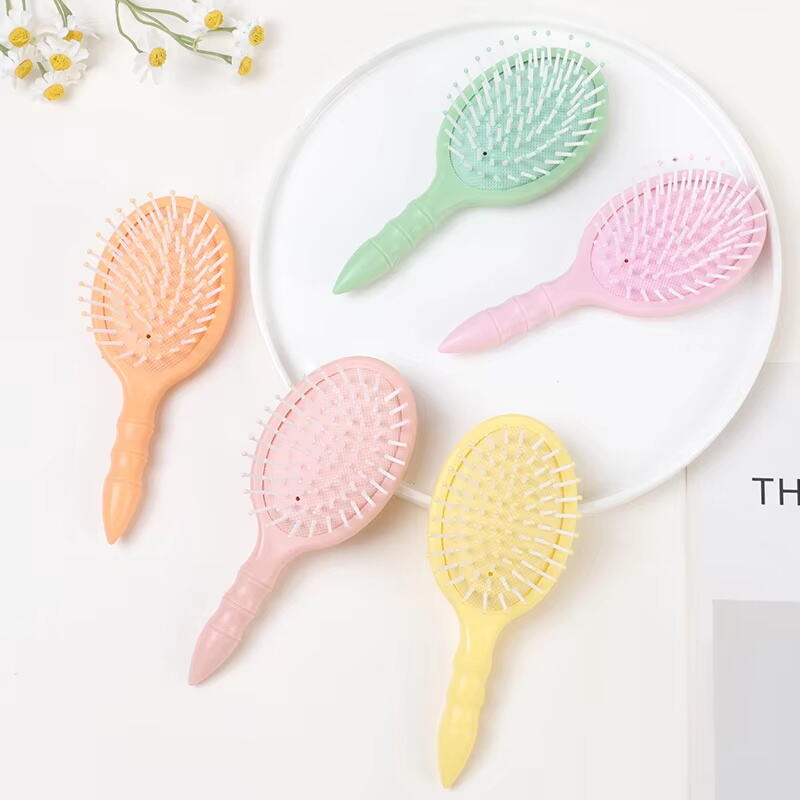
Professional Brushing Techniques for Maximum Protection
Proper Detangling Methods
Starting from the tips and working your way up to the roots prevents unnecessary stress on hair strands. This methodical approach allows for gentle removal of knots without causing breakage or split ends. Using sectioning techniques further enhances the effectiveness of proper detangling.
Taking time to properly detangle hair reduces the risk of damage and makes daily maintenance more manageable. Professional stylists recommend holding sections of hair at mid-length while brushing to minimize pulling at the scalp.
Wet Hair Care Protocols
Wet hair requires extra attention and specific brushing techniques to prevent damage. Using a specialized wet brush with flexible bristles helps minimize breakage when hair is most vulnerable. Gentle patting with a microfiber towel before brushing reduces excess moisture and prevents stretching.
Following proper wet hair protocols extends the life of your strands and maintains their natural elasticity. Regular deep conditioning treatments complement these techniques by providing additional protection during wet brushing sessions.
Maintenance and Care for Your Hairbrush
Cleaning and Sanitization
Regular cleaning of your hairbrush prevents the transfer of oils, products, and debris back to clean hair. A proper cleaning routine includes removing hair after each use and deep cleaning the brush weekly. Sanitizing solutions help maintain hygiene and extend the life of your brush.
Professional-grade cleaning methods ensure your hairbrush remains an effective tool for maintaining healthy hair. Proper drying and storage between uses prevents bacterial growth and maintains bristle integrity.
When to Replace Your Brush
Understanding the lifespan of your hairbrush helps maintain its effectiveness in preventing damage. Signs of wear, such as missing bristles or cushion deterioration, indicate it's time for replacement. Quality brushes, when properly maintained, can last several years while continuing to protect hair health.
Investing in regular brush replacement ensures consistent hair protection and optimal styling results. Watch for changes in brush performance that might indicate reduced effectiveness in preventing breakage.
Frequently Asked Questions
How often should I brush my hair to prevent damage?
The optimal frequency for brushing depends on your hair type and texture. Generally, brushing 1-2 times daily is sufficient for most hair types. Over-brushing can lead to unnecessary stress on the hair shaft, while under-brushing may result in tangles and matting that require more aggressive detangling later.
Can using the wrong hairbrush cause permanent damage?
Yes, using an inappropriate hairbrush for your hair type can cause lasting damage, including breakage, split ends, and weakened hair strands. Selecting the right brush for your specific hair texture and condition is crucial for maintaining hair health and preventing long-term damage.
What features should I look for in a damage-preventing hairbrush?
Look for brushes with smooth, rounded bristle tips, proper spacing between bristles, and materials appropriate for your hair type. A cushioned base, heat-resistant materials for styling, and ergonomic handle design are also important features that contribute to damage prevention and hair protection.
How do I know if my current brushing routine is damaging my hair?
Signs of brushing-related damage include excessive shedding, split ends, broken hair in your brush, and increased frizz or static. If you experience discomfort during brushing or notice these symptoms, it's time to reevaluate your brushing technique and the tools you're using.