 EN
EN

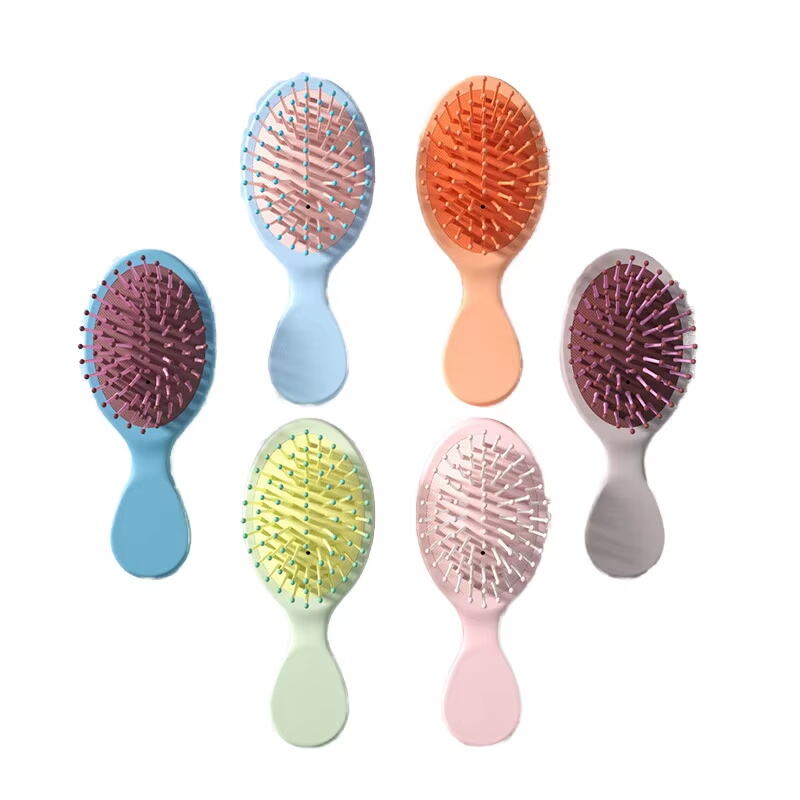
Transform Your Hair Care Routine with Proper Brush Selection
The secret to achieving healthy, lustrous hair often lies in the most overlooked tool in our daily grooming routine - the hairbrush. Understanding and selecting the right hairbrush type can dramatically impact your hair's health, appearance, and manageability. From detangling stubborn knots to creating volume and shine, each hairbrush type serves a unique purpose in your hair care arsenal.
Many people underestimate the significance of choosing the correct hairbrush type, often grabbing whatever brush is within reach. However, this approach can lead to unnecessary hair damage, breakage, and styling frustration. The right brush can enhance your natural hair texture, reduce frizz, and even stimulate scalp health, making it an essential investment in your overall hair care routine.
Understanding Different Hairbrush Materials and Their Impact
Natural Bristle Brushes
Natural bristle brushes, typically made from boar hair, are renowned for their ability to distribute natural oils from the scalp throughout the hair shaft. This hairbrush type is particularly beneficial for those with fine to medium hair textures. The soft, dense bristles help create smooth, shiny results while minimizing static and frizz.
These brushes work by gently gripping the hair, removing dust and debris while simultaneously polishing each strand. The process of using natural bristle brushes can also help stimulate blood flow to the scalp, promoting healthier hair growth and maintaining optimal scalp condition.
Synthetic and Mixed Bristle Options
Modern synthetic bristles offer durability and versatility, making them suitable for various hair types and styling needs. Some brushes combine both natural and synthetic bristles, providing the benefits of both materials. Nylon bristles are particularly effective for detangling thick or coarse hair, while plastic pins can help separate and define curls.
The advancement in synthetic materials has led to innovative hairbrush types that can withstand high heat styling temperatures and maintain their shape over time. These brushes often feature anti-static properties and smooth coating to prevent hair damage during styling.
Matching Hairbrush Types to Different Hair Textures
Fine and Thin Hair Solutions
Those with fine or thin hair require gentle handling and specific hairbrush types to prevent breakage and maintain volume. Cushioned brushes with widely-spaced bristles are ideal for this hair type, as they provide enough tension for styling without pulling or causing damage. The key is to choose a brush that won't overwhelm delicate strands while still effectively detangling and styling.
When dealing with fine hair, opt for lightweight brushes with soft bristles that can glide through hair without causing static or flyaways. This approach helps maintain the integrity of the hair while creating the appearance of fuller, more voluminous locks.
Thick and Coarse Hair Management
Thick and coarse hair types benefit from sturdy brushes with reinforced bristles that can effectively penetrate dense hair layers. The ideal hairbrush type for this texture features widely-spaced bristles or pins that can work through tangles without causing breakage or excessive pulling.
For particularly resistant hair, consider brushes with multiple layers of bristles that can effectively distribute tension and minimize strain on the scalp. This design helps in managing thick hair while reducing the time and effort required for daily styling.
Specialized Styling and Treatment Applications
Heat Styling Enhancement
When it comes to heat styling, choosing the appropriate hairbrush type can significantly impact the final result. Ceramic and tourmaline-infused brushes help distribute heat evenly, reducing potential damage and creating longer-lasting styles. Round brushes with vented designs allow for better airflow during blow-drying, speeding up the styling process while minimizing heat exposure.
The diameter of the brush barrel plays a crucial role in creating different curl patterns and volumes. Larger barrels create loose waves and volume, while smaller ones produce tighter curls and more defined styles.
Therapeutic and Scalp Care
Some hairbrush types are specifically designed for scalp health and therapeutic benefits. Brushes with massage nodes can help stimulate blood circulation and natural oil production, contributing to healthier hair growth. These specialized brushes often feature strategic bristle placement to maximize scalp contact while remaining gentle enough for daily use.
Regular use of scalp-stimulating brushes can help remove product buildup, exfoliate the scalp, and distribute natural oils more effectively. This therapeutic approach to brushing can significantly improve overall hair and scalp health over time.
Maintenance and Care of Different Hairbrush Types
Cleaning and Sanitization Methods
Proper maintenance of your hairbrush type is essential for optimal performance and hygiene. Regular cleaning removes accumulated hair, product residue, and debris that can transfer back to clean hair. Different brush materials require specific cleaning approaches to maintain their effectiveness and extend their lifespan.
Natural bristle brushes benefit from gentle cleaning with mild shampoo and careful drying to preserve the bristles' integrity. Synthetic brushes can typically withstand more thorough cleaning methods, including the use of dedicated brush cleaning solutions.
Storage and Longevity Tips
Proper storage and handling of your hairbrush type can significantly impact its durability and performance. Keeping brushes in a dry, ventilated area prevents bacterial growth and maintains bristle strength. Avoiding exposure to extreme temperatures and direct sunlight helps preserve both natural and synthetic materials.
Regular inspection of brush conditions, including checking for loose or damaged bristles, ensures safe and effective use. Rotating between multiple brushes can also help extend their lifespan while providing optimal results for different styling needs.
Frequently Asked Questions
How Often Should I Replace My Hairbrush?
The lifespan of a hairbrush depends on its quality, usage frequency, and maintenance. Generally, a well-maintained brush should be replaced every 6-12 months, or sooner if you notice significant bristle damage, loosening of the cushion, or difficulty in cleaning.
Can Using the Wrong Hairbrush Type Damage My Hair?
Yes, using an inappropriate hairbrush type for your hair texture can cause breakage, split ends, and scalp irritation. It's essential to choose a brush that matches your hair type and styling needs to maintain healthy hair and achieve desired results.
Should I Use Different Brushes for Wet and Dry Hair?
Absolutely. Wet hair is more vulnerable to damage, so using a specifically designed wet brush or wide-toothed comb is recommended. For dry hair, you can use various brush types depending on your styling goals and hair texture.
What's the Best Way to Clean Different Types of Hairbrushes?
For synthetic brushes, use warm water and mild shampoo, ensuring thorough rinsing and air drying. Natural bristle brushes require gentler cleaning with specialized products or diluted shampoo, followed by careful drying away from direct heat sources.