 EN
EN

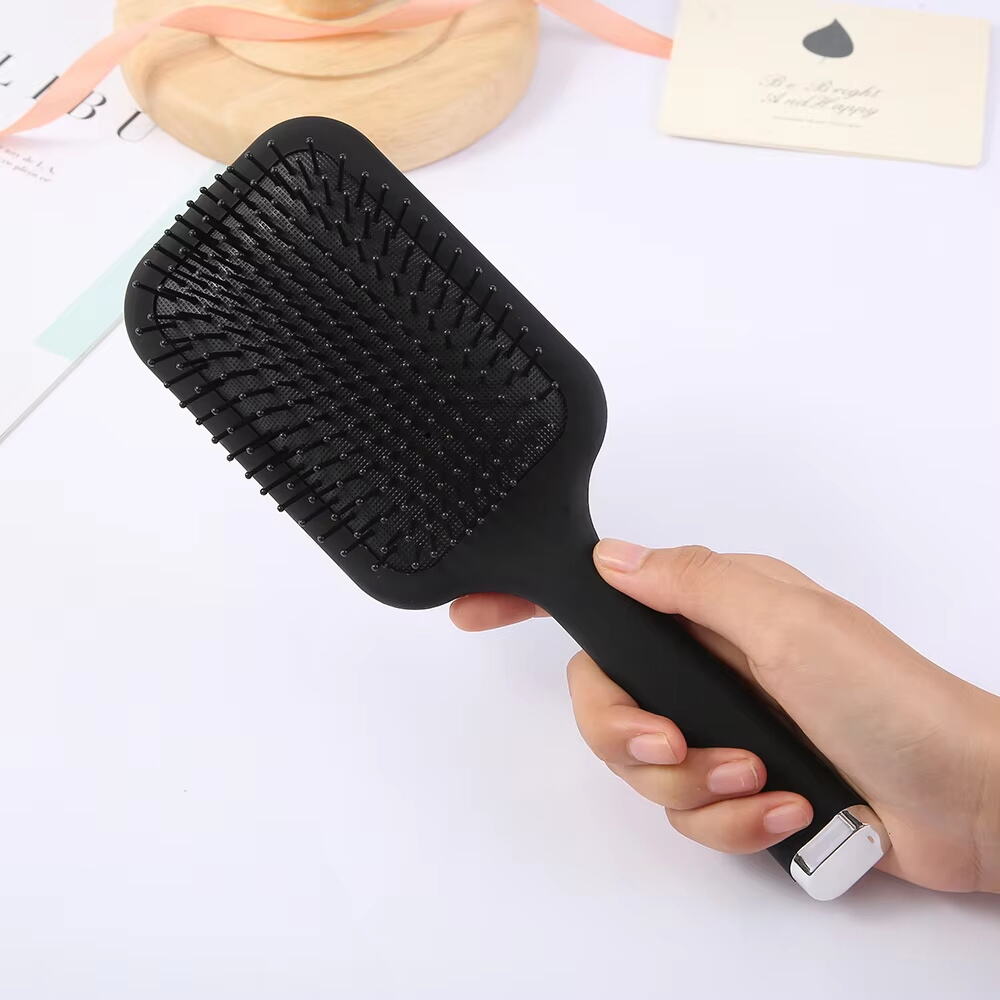
The Science Behind Hair Brushing and Beautiful Locks
The simple act of brushing your hair can transform your tresses from dull and lifeless to gleaming and silky. A high-quality hairbrush serves as more than just a styling tool – it's a vital instrument in maintaining healthy, beautiful hair. Understanding how a hairbrush works to enhance shine and smoothness reveals the importance of proper hair care techniques and choosing the right brush for your specific hair type.
When you use a hairbrush correctly, it helps distribute natural oils from your scalp throughout your hair strands, creating that coveted natural shine. The mechanical action of brushing also stimulates blood flow to the scalp, promoting healthier hair growth and improved texture over time. Let's explore the fascinating relationship between your hairbrush and the condition of your locks.
Understanding Different Hairbrush Types and Their Benefits
Natural Bristle Brushes
Natural bristle brushes, typically made from boar or horse hair, excel at distributing sebum along the hair shaft. These brushes work particularly well for fine to medium hair textures. The natural bristles create gentle tension that helps smooth the hair cuticle, resulting in enhanced shine and reduced frizz. When selecting a natural bristle hairbrush, look for one with densely packed bristles to maximize oil distribution and smoothing effects.
The slight static charge generated by natural bristles also helps remove dust and debris from the hair, making it appear cleaner and more lustrous between washes. Regular use of a natural bristle hairbrush can significantly improve your hair's natural shine while reducing the need for additional styling products.
Synthetic and Mixed Bristle Options
Modern synthetic hairbrushes often feature advanced materials designed to minimize static and provide optimal grip. These brushes typically incorporate nylon or plastic bristles with varying levels of flexibility. Mixed bristle brushes combine the benefits of both natural and synthetic materials, offering enhanced detangling capabilities while maintaining the ability to distribute natural oils.
For thick or coarse hair types, a synthetic or mixed bristle hairbrush often proves more effective at working through tangles without causing breakage. The durability of synthetic materials also makes these brushes an excellent choice for regular use with styling products or heat tools.
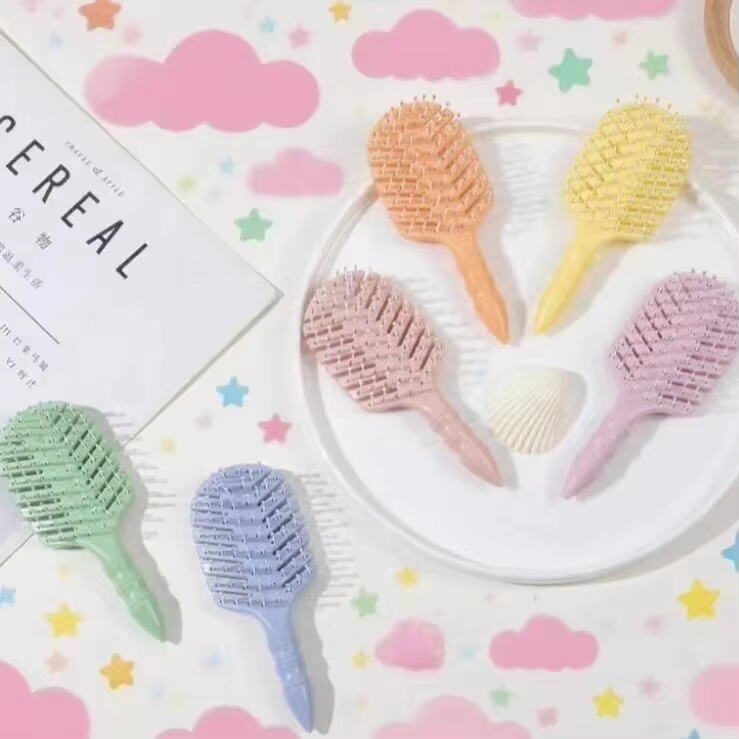
The Mechanics of Hair Smoothing
Cuticle Alignment and Shine Enhancement
Every hair strand is covered in tiny overlapping scales called cuticles. When these cuticles lie flat, hair appears shinier and feels smoother to the touch. A proper hairbrush helps align these cuticles through consistent, gentle strokes. The process works similarly to smoothing shingles on a roof – when everything lies flat and in the same direction, the surface appears more polished and reflects light better.
Regular brushing with the appropriate technique helps maintain this alignment, leading to consistently smoother, more manageable hair. The key is to brush from root to tip, allowing the bristles to work along the entire length of each strand, encouraging the cuticles to lay flat in a uniform direction.
Oil Distribution and Natural Conditioning
The scalp naturally produces sebum, an oil that helps protect and condition hair. However, this oil tends to accumulate at the roots without proper distribution. A quality hairbrush acts as a natural conditioning tool by helping move these beneficial oils from the scalp down the hair shaft. This process not only improves shine but also helps protect the hair from environmental damage and dehydration.
For optimal oil distribution, start brushing at the scalp and work your way down in sections. This methodical approach ensures even distribution of natural oils and helps prevent the roots from appearing greasy while the ends remain dry.
Proper Brushing Techniques for Maximum Benefits
Optimal Brushing Patterns
The way you use your hairbrush significantly impacts its effectiveness in improving shine and smoothness. Begin by gently detangling the ends of your hair, then gradually work your way up to the roots. This approach prevents unnecessary stress on the hair shaft and reduces breakage. Make sure to brush in sections, working methodically from one side of your head to the other.
For particularly stubborn tangles, hold sections of hair firmly near the roots while detangling to minimize pull on the scalp. This technique also helps prevent damage to both your hair and scalp while maximizing the smoothing benefits of your hairbrush.
Timing and Frequency
While regular brushing is essential for maintaining healthy hair, the frequency and timing of your brushing sessions matter. Most hair care experts recommend brushing twice daily – once in the morning to style and once before bed to distribute oils and remove tangles accumulated throughout the day. However, avoid excessive brushing, as this can lead to unnecessary stress on the hair strands.
When brushing wet hair, always use a brush specifically designed for this purpose, as wet hair is more susceptible to breakage. Consider using a wide-toothed comb or specialized wet brush to detangle before switching to your regular hairbrush once your hair is mostly dry.
Frequently Asked Questions
How Often Should I Replace My Hairbrush?
A quality hairbrush should be replaced every 6-12 months, depending on usage and maintenance. Signs that it's time for a replacement include bent or missing bristles, cracked brush base, or difficulty in cleaning accumulated debris from the brush.
Can Using the Wrong Hairbrush Damage My Hair?
Yes, using an inappropriate hairbrush for your hair type can lead to breakage, split ends, and increased frizz. Always choose a brush designed for your specific hair texture and thickness to maximize benefits and minimize damage.
What's the Best Way to Clean My Hairbrush?
Clean your hairbrush weekly by removing trapped hair, then washing with mild shampoo and warm water. Ensure the brush is completely dry before use to prevent bacteria growth. For wooden brushes, minimize water exposure and dry thoroughly in a well-ventilated area.