 EN
EN

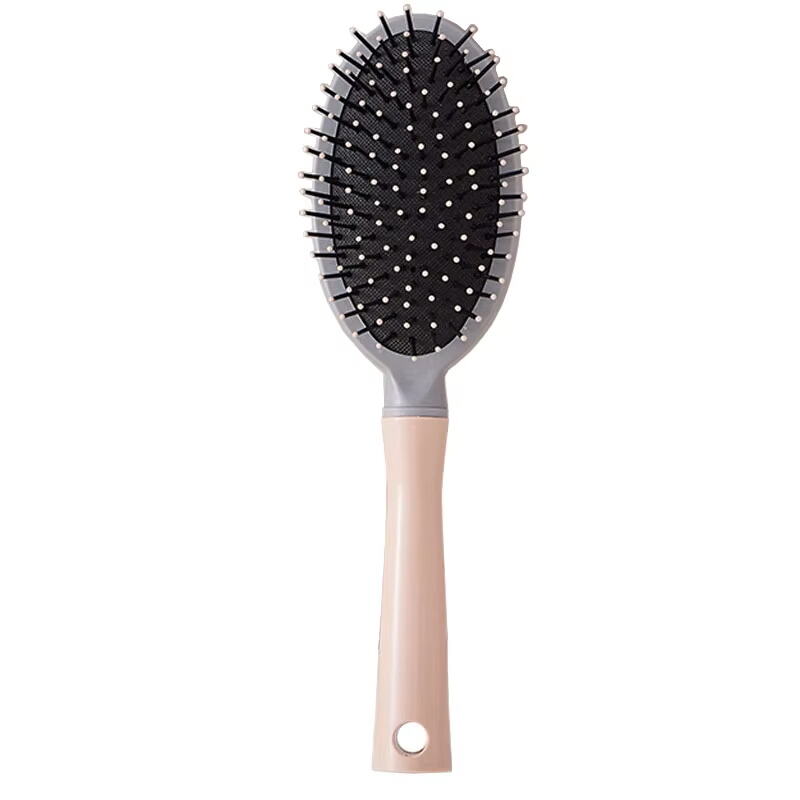
The Fundamental Role of Hairbrushes in Maintaining Healthy Hair
When it comes to daily hair care, one tool stands out as irreplaceable - the hairbrush. This essential grooming instrument does far more than simply detangle your locks. A quality hairbrush serves as the foundation for maintaining healthy, vibrant hair while preventing damage and promoting natural shine. Understanding the significance of this daily tool can transform your hair care routine from basic maintenance to a therapeutic self-care ritual.
Many people underestimate the power of a proper hairbrush, often reaching for whatever tool is nearest without considering its impact on their hair's health. However, regular brushing with the right hairbrush can stimulate blood circulation in the scalp, distribute natural oils throughout the hair shaft, and help maintain optimal scalp health. The simple act of brushing becomes a crucial step in preserving your hair's natural beauty and strength.
Understanding Different Types of Hairbrushes
Paddle Brushes and Their Benefits
Paddle brushes are characterized by their wide, flat surface and are ideal for detangling and smoothing medium to long hair. The design of a paddle hairbrush allows for maximum contact with the hair shaft, making it particularly effective at distributing natural oils from root to tip. These brushes typically feature flexible cushioning and widely-spaced bristles, making them gentle enough for daily use while still providing excellent detangling capabilities.
The broad surface area of paddle brushes makes them especially useful for straightening treatments and blow-drying sessions. When used properly, a paddle hairbrush can help reduce frizz and create a smooth, polished finish while minimizing the risk of hair breakage.
Round Brushes for Styling Versatility
Round brushes have become a staple in professional salons and home styling routines alike. Their cylindrical shape makes them perfect for creating volume, curves, and waves while blow-drying. The size of the barrel directly affects the type of curl or wave achieved, with larger barrels creating looser waves and smaller ones producing tighter curls.
These versatile hairbrushes come in various materials, from ceramic to boar bristle combinations, each serving specific styling purposes. The heat-conducting properties of ceramic round brushes make them particularly effective for blow-drying, while natural bristle versions excel at smoothing and adding shine.
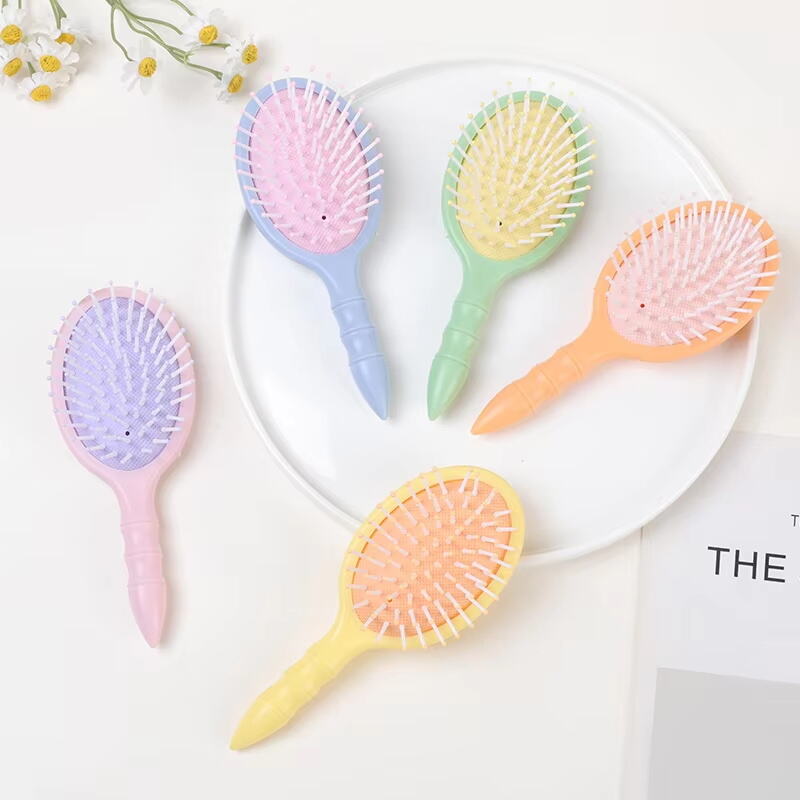
The Science Behind Proper Brushing Techniques
Scalp Stimulation and Hair Growth
Regular use of a hairbrush does more than just detangle - it actively promotes scalp health through mechanical stimulation. When you brush your hair, the bristles gently massage the scalp, increasing blood flow to the hair follicles. This enhanced circulation can contribute to better nutrient delivery to the roots, potentially supporting healthier hair growth.
The stimulating effect of proper brushing techniques can also help regulate natural oil production in the scalp. By using a hairbrush correctly, you can help prevent both excessive oiliness and dryness, creating an optimal environment for hair growth and maintenance.
Distribution of Natural Oils
One of the most significant benefits of regular brushing is the distribution of sebum - the natural oil produced by your scalp. A quality hairbrush helps move these beneficial oils from the roots down the hair shaft, providing natural conditioning and protection. This process is particularly important for those with longer hair, as the ends tend to become drier and more prone to damage.
The even distribution of natural oils through brushing can help reduce the need for additional hair products while maintaining your hair's natural shine and moisture balance. This natural conditioning process is especially beneficial for those with dry or processed hair.
Maintaining Your Hairbrush for Optimal Performance
Cleaning and Sanitization Methods
To ensure your hairbrush continues to perform effectively, regular cleaning is essential. A clean hairbrush prevents the transfer of oils, product buildup, and debris back onto your freshly washed hair. The cleaning process should include removing accumulated hair, washing with gentle shampoo, and thoroughly drying the brush before next use.
Sanitizing your hairbrush periodically helps maintain hygiene and prevent the growth of bacteria or fungi. This can be done using specialized brush cleaners or a mixture of warm water and mild shampoo, ensuring all bristles and the cushion are thoroughly cleaned.
Replacement and Care Guidelines
Even the highest quality hairbrush will eventually show signs of wear and tear. Regular inspection of your brush's bristles, cushioning, and handle can help you determine when replacement is necessary. Typically, a well-maintained hairbrush should be replaced every 6-12 months, depending on frequency of use and care practices.
Proper storage also plays a crucial role in maintaining your hairbrush's longevity. Keeping it in a dry, clean place away from direct sunlight can prevent deterioration of both natural and synthetic bristles while maintaining the brush's structural integrity.
Frequently Asked Questions
How Often Should I Brush My Hair?
The ideal brushing frequency depends on your hair type and texture. Generally, brushing 1-2 times daily is recommended for most hair types. However, those with very curly or textured hair may benefit from less frequent brushing to prevent breakage and maintain natural curl patterns.
Can Using the Wrong Hairbrush Damage My Hair?
Yes, using an inappropriate hairbrush for your hair type can lead to breakage, split ends, and scalp irritation. It's essential to choose a brush specifically designed for your hair texture and styling needs to minimize potential damage and maximize benefits.
What's the Best Way to Clean a Hairbrush?
Start by removing all hair from the brush using a comb or pick. Then, wash the brush in warm water with mild shampoo, ensuring thorough cleaning between bristles. Rinse well and allow the brush to air dry completely, bristles facing down, before next use. Deep cleaning should be performed at least once a month for optimal hygiene.