 EN
EN

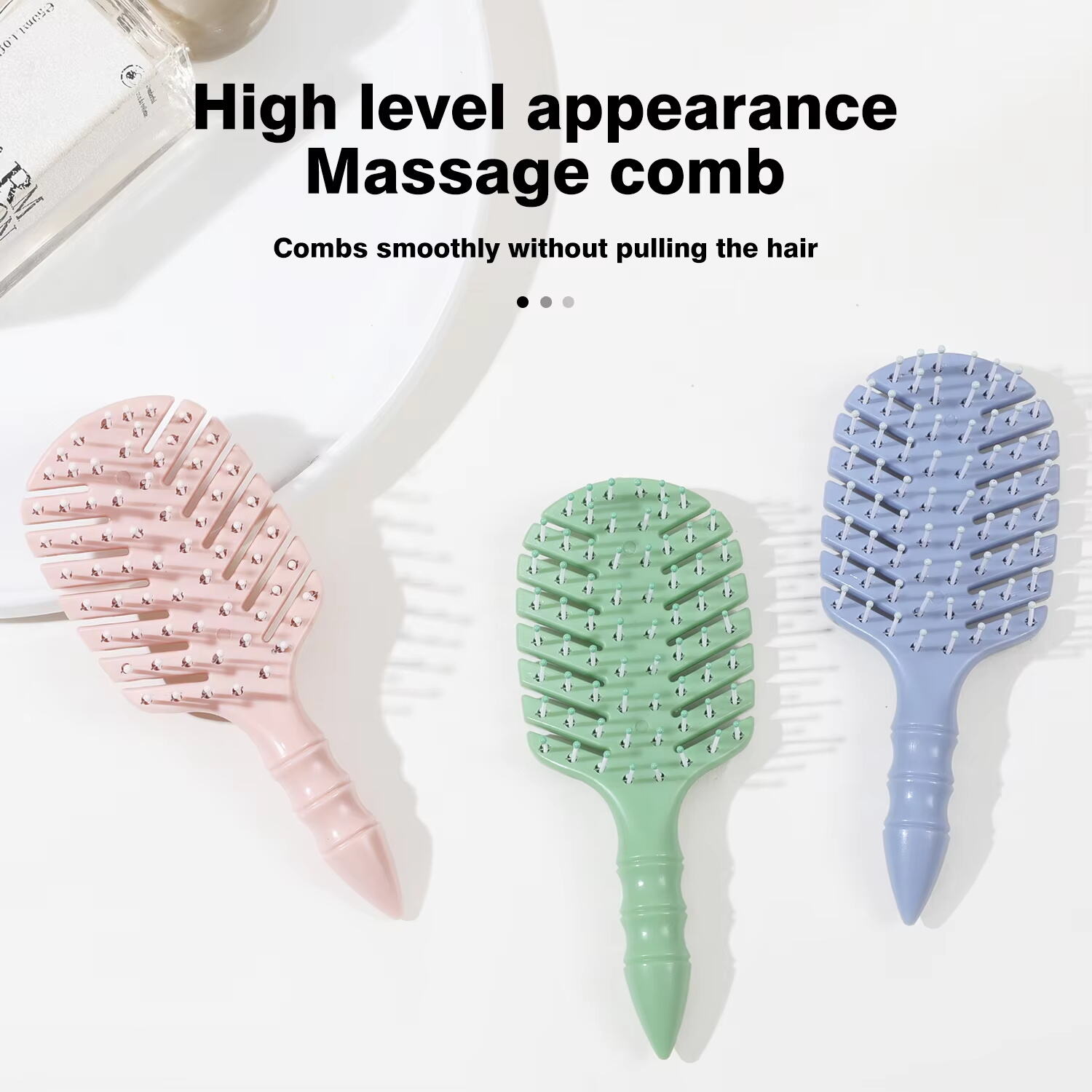
Exploring the Therapeutic Benefits of Scalp Massage Tools
The ancient practice of scalp massage has evolved significantly with modern wellness tools, and the massage comb stands out as a revolutionary device for promoting scalp health and overall wellbeing. This simple yet effective tool has gained popularity among those seeking natural ways to enhance their hair care routine and reduce stress. By combining traditional wisdom with contemporary design, massage combs offer a practical solution for people looking to improve their scalp comfort and wellness journey.
In today's fast-paced world, many individuals are turning to self-care practices that can be easily incorporated into their daily routines. The massage comb represents a perfect blend of convenience and effectiveness, providing a tangible way to nurture both physical and mental wellness through gentle scalp stimulation. As we delve deeper into this topic, we'll explore how this versatile tool can transform your daily hair care routine into a therapeutic experience.
Understanding the Science Behind Scalp Massage
Biological Mechanisms of Scalp Stimulation
When you use a massage comb on your scalp, you're activating multiple biological responses that contribute to overall wellness. The gentle pressure from the comb's teeth stimulates blood circulation in the scalp, which can enhance the delivery of oxygen and nutrients to hair follicles. This increased blood flow not only supports healthy hair growth but also helps remove metabolic waste products from the scalp tissue.
Research has shown that mechanical stimulation of the scalp can also trigger the release of endorphins, your body's natural feel-good hormones. These biochemical reactions help explain why many people report feeling more relaxed and balanced after using a massage comb. Additionally, the stimulation can help regulate sebum production, leading to a healthier scalp environment.
Neural Pathways and Stress Relief
The scalp contains thousands of nerve endings that connect directly to your central nervous system. When you use a massage comb, these nerve endings receive signals that can help activate your body's relaxation response. This process can lead to reduced stress levels, improved mood, and even better sleep quality.
Regular use of a massage comb can help create new neural pathways associated with relaxation and comfort. Over time, this can lead to a more balanced nervous system and enhanced ability to manage stress. The rhythmic motion of combing combined with massage can become a form of moving meditation, promoting mindfulness and mental clarity.
Physical Benefits of Using a Massage Comb
Enhancement of Hair Health and Growth
A massage comb can significantly impact hair health through various mechanisms. The physical stimulation helps distribute natural oils along the hair shaft, promoting shine and protecting against breakage. Regular use can also help prevent the buildup of dead skin cells and excess sebum, which can clog hair follicles and impede healthy growth.
The massaging action of the comb can help strengthen hair roots and potentially reduce hair loss by improving the health of the scalp environment. Many users report noticing thicker, more resilient hair after incorporating a massage comb into their regular hair care routine.
Scalp Tension and Headache Relief
One of the most immediate benefits of using a massage comb is the relief from scalp tension and headaches. The strategic placement of the comb's teeth helps target pressure points across the scalp, releasing muscle tension that can contribute to discomfort. This can be particularly beneficial for people who experience tension headaches or spend long hours at a desk.
Regular scalp massage with a specialized comb can help prevent the buildup of tension in the first place, leading to fewer headaches and a more comfortable daily experience. The gentle pressure also helps improve lymphatic drainage, reducing inflammation and promoting overall scalp health.
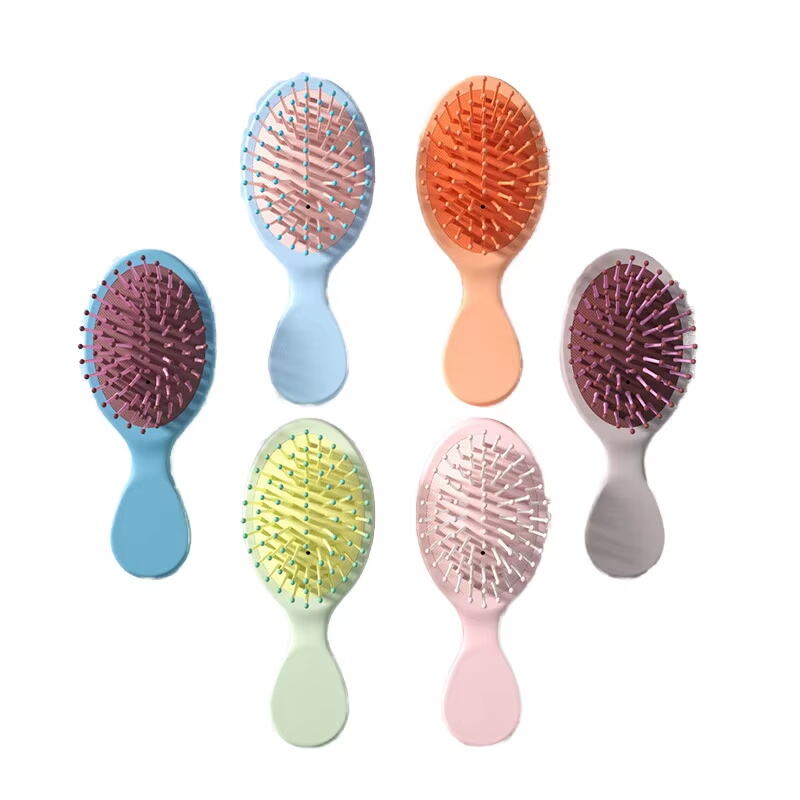
Choosing and Using Your Massage Comb Effectively
Material and Design Considerations
When selecting a massage comb, it's important to consider both the material and design features. High-quality massage combs are typically made from durable materials like wood, high-grade plastic, or surgical-grade stainless steel. Each material offers unique benefits – wooden combs are naturally anti-static, while metal combs provide better durability and can be more easily sanitized.
The design of the comb's teeth is crucial for effectiveness. Look for combs with rounded tips to prevent scratching the scalp, and consider the spacing between teeth to suit your hair type and texture. Some massage combs feature dual-sided designs with different tooth configurations for versatility in use.
Proper Technique and Usage Patterns
To maximize the benefits of your massage comb, proper technique is essential. Begin with clean, detangled hair and start at the hairline, working your way back across the scalp in small, circular motions. Apply gentle but firm pressure, and pay special attention to areas where you typically experience tension.
For optimal results, use your massage comb for 5-10 minutes daily, preferably at the same time each day to establish a routine. Some people prefer to use it during their morning shower when the scalp is warm and more receptive to massage, while others find it more relaxing as part of their evening wind-down routine.
Integrating Massage Combs into Your Wellness Routine
Creating a Sustainable Practice
Success with a massage comb comes from consistent, mindful use. Start by setting aside dedicated time each day for your scalp massage routine. This might be during your morning grooming routine or as part of your evening relaxation practice. The key is to make it a regular habit that you look forward to rather than viewing it as another task to complete.
Consider combining your massage comb routine with other wellness practices, such as deep breathing exercises or aromatherapy. This can enhance the overall therapeutic experience and help you maintain consistency in your practice. Many users find that keeping their massage comb visible and easily accessible helps remind them to use it regularly.
Complementary Wellness Practices
To enhance the benefits of your massage comb routine, consider incorporating complementary practices. This might include using natural hair oils or scalp treatments in conjunction with your massage sessions. The massage comb can help these products penetrate more effectively while providing additional nourishment to your scalp and hair.
Regular exercise, proper hydration, and a balanced diet rich in hair-healthy nutrients can also amplify the benefits of your massage comb routine. Together, these practices create a comprehensive approach to scalp and overall wellness that can lead to noticeable improvements in both how you look and feel.
Frequently Asked Questions
How often should I use a massage comb for best results?
For optimal benefits, aim to use your massage comb daily for 5-10 minutes. Consistency is more important than duration, so even a few minutes of regular use can provide noticeable improvements in scalp comfort and wellness.
Can massage combs help with specific scalp conditions?
While massage combs can help improve overall scalp health through better circulation and sebum distribution, they should not be considered a primary treatment for medical conditions. Always consult with a healthcare provider for specific scalp conditions, and use the massage comb as part of a comprehensive care approach.
What's the best time of day to use a massage comb?
The best time to use a massage comb is whenever you can maintain a consistent routine. Some prefer morning use to stimulate the scalp and increase alertness, while others find evening use more relaxing. Choose a time that works best with your schedule and lifestyle habits.