 EN
EN

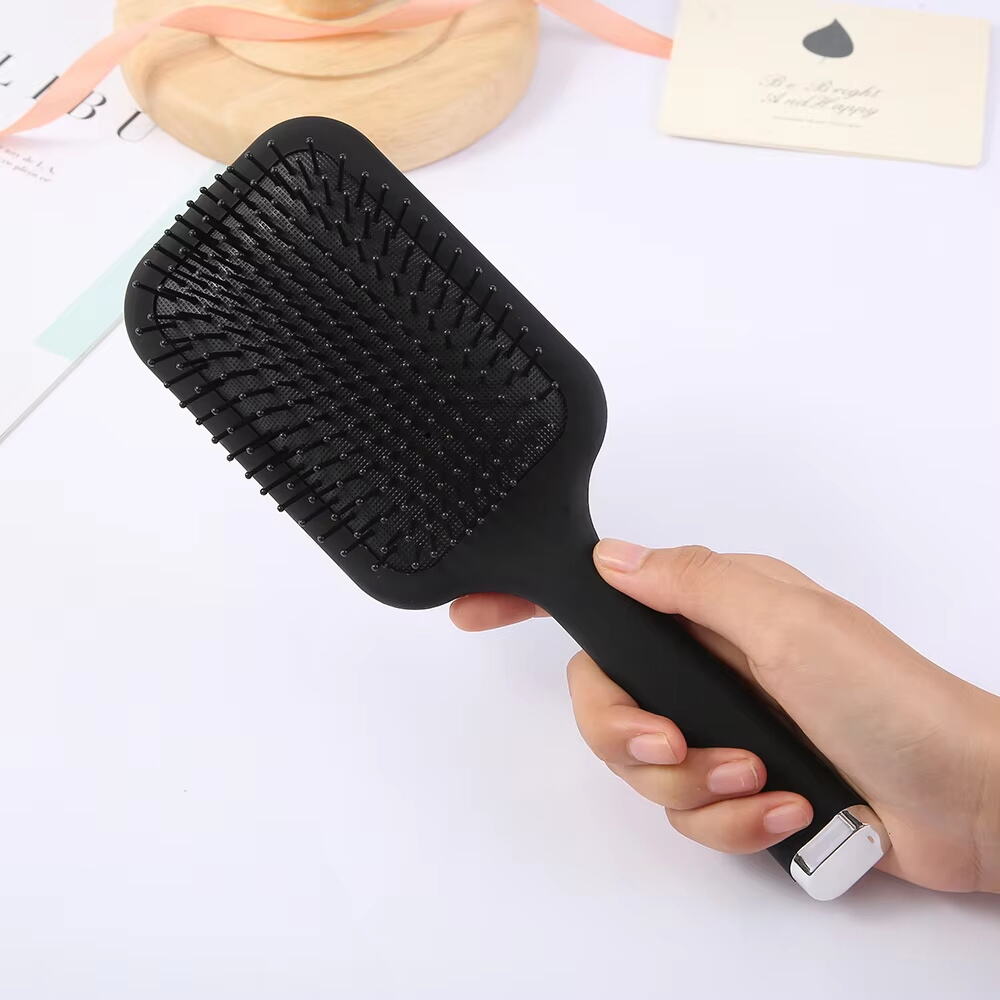
Understanding the Essential Role of Hair Combs in Hair Care
Choosing the right hair comb is more than just grabbing the first one you see at the store. A proper hair comb serves as a fundamental tool in your daily grooming routine, directly impacting your hair's health, appearance, and manageability. From detangling stubborn knots to creating the perfect style, your choice of hair comb can make the difference between a frustrating hair care experience and a seamless grooming ritual.
Many people underestimate the importance of selecting a hair comb that matches their specific hair texture and type. Using the wrong comb can lead to unnecessary breakage, split ends, and damage to your hair's cuticle layer. By understanding the relationship between different hair comb designs and various hair textures, you can make an informed decision that will enhance your hair care routine.
Different Types of Hair Combs and Their Purposes
Wide-Toothed Combs for Thick and Curly Hair
Wide-toothed combs are essential tools for those with thick, curly, or coarse hair textures. The generous spacing between teeth allows for gentle detangling without causing unnecessary tension or breakage. These combs are particularly effective when used on wet hair, as they can easily glide through while minimizing damage to delicate strands.
When selecting a wide-toothed hair comb, look for ones with smooth, rounded teeth to prevent snagging. Wooden or high-quality plastic versions offer the best experience, as they reduce static and provide comfortable handling during use.
Fine-Toothed Combs for Straight and Fine Hair
Fine-toothed combs are ideal for those with straight or fine hair textures. These combs feature closely spaced teeth that can effectively remove tangles and distribute natural oils throughout the hair shaft. They're also perfect for creating precise partings and achieving sleek, polished hairstyles.
When choosing a fine-toothed hair comb, consider options with anti-static properties and smooth finishing to prevent hair damage. Metal combs should be avoided as they can create static and potentially damage the hair cuticle.
Material Matters: Choosing the Right Comb Construction
Natural Materials: Wood and Horn
Wooden and horn hair combs have gained popularity for their natural anti-static properties and gentle handling of the hair shaft. These materials work with your hair's natural oils, helping to distribute them evenly while preventing frizz and static electricity. Wood and horn combs are especially beneficial for those with sensitive scalps or prone to static.
These natural materials also tend to be more durable than their synthetic counterparts when properly maintained. However, they do require special care to prevent warping or damage from excessive moisture.
Synthetic Options: Plastic and Carbon
Modern synthetic hair combs offer advanced features that cater to specific hair care needs. High-quality plastic combs with seamless construction can provide smooth detangling while being cost-effective and durable. Carbon combs are known for their heat resistance and anti-static properties, making them excellent choices for use with heating tools.
When selecting synthetic combs, look for options that feature polished, rounded teeth and smooth seams to prevent hair damage. Avoid cheap plastic combs with visible mold lines or rough edges that can snag and break hair strands.
Special Considerations for Different Hair Types
Natural and Textured Hair Requirements
For those with natural or highly textured hair, selecting the right hair comb becomes even more crucial. These hair types benefit from combs with wider-set teeth and gentle detangling properties. Consider using a combination of different comb types – starting with a wide-toothed comb for initial detangling, then progressing to medium-spaced teeth for styling.
The material of the comb is particularly important for textured hair, as it tends to be more prone to breakage and damage. Seamless wooden combs or high-grade plastic options with smooth, rounded teeth work best for maintaining the integrity of natural curl patterns.
Considerations for Processed and Color-Treated Hair
Processed and color-treated hair requires extra gentle handling to maintain its health and vibrancy. Choose combs that minimize stress on the hair shaft while effectively detangling and styling. Avoid combs with sharp edges or rough surfaces that could further damage already compromised hair strands.
For these hair types, consider using a hair comb with medium-spaced teeth and smooth surfaces. The comb should be able to glide through the hair without pulling or causing unnecessary tension that could lead to breakage or color fading.
Proper Comb Maintenance and Care
Cleaning and Sanitizing Your Combs
Regular cleaning of your hair comb is essential for maintaining both the tool's effectiveness and your hair's health. Remove accumulated hair and debris after each use, and deep clean your combs at least once a week. For plastic combs, use warm water and mild soap, ensuring all residue is thoroughly rinsed away.
For wooden or horn combs, avoid soaking in water. Instead, clean them with a slightly damp cloth and mild soap, then dry immediately to prevent warping. Consider using natural sanitizing solutions like tea tree oil or vinegar solutions for regular disinfecting.
Storage and Longevity Tips
Proper storage of your hair comb can significantly extend its lifespan and maintain its effectiveness. Store combs in a dry, clean place away from direct sunlight and excessive heat. For wooden or horn combs, consider using a breathable storage pouch to protect them from moisture while allowing airflow.
Regularly inspect your combs for signs of wear, such as broken or chipped teeth, rough edges, or deteriorating materials. Replace combs when they show significant wear to prevent damage to your hair and ensure optimal styling results.
Frequently Asked Questions
How often should I replace my hair comb?
The lifespan of a hair comb depends on its material quality and how well it's maintained. Generally, high-quality combs should be replaced every 6-12 months with regular use, or sooner if you notice any damage, missing teeth, or rough edges that could harm your hair.
Can I use the same comb for wet and dry hair?
While some combs can be used for both wet and dry hair, it's generally recommended to have separate combs for each purpose. Wide-toothed combs are best for wet hair to prevent breakage, while finer-toothed combs are more suitable for styling dry hair.
What's the best way to detangle hair without causing damage?
Start detangling from the ends of your hair and gradually work your way up to the roots using a wide-toothed comb. Always be gentle and patient, never forcing the comb through knots. Consider using a detangling spray or conditioner to make the process easier and minimize breakage.