 EN
EN

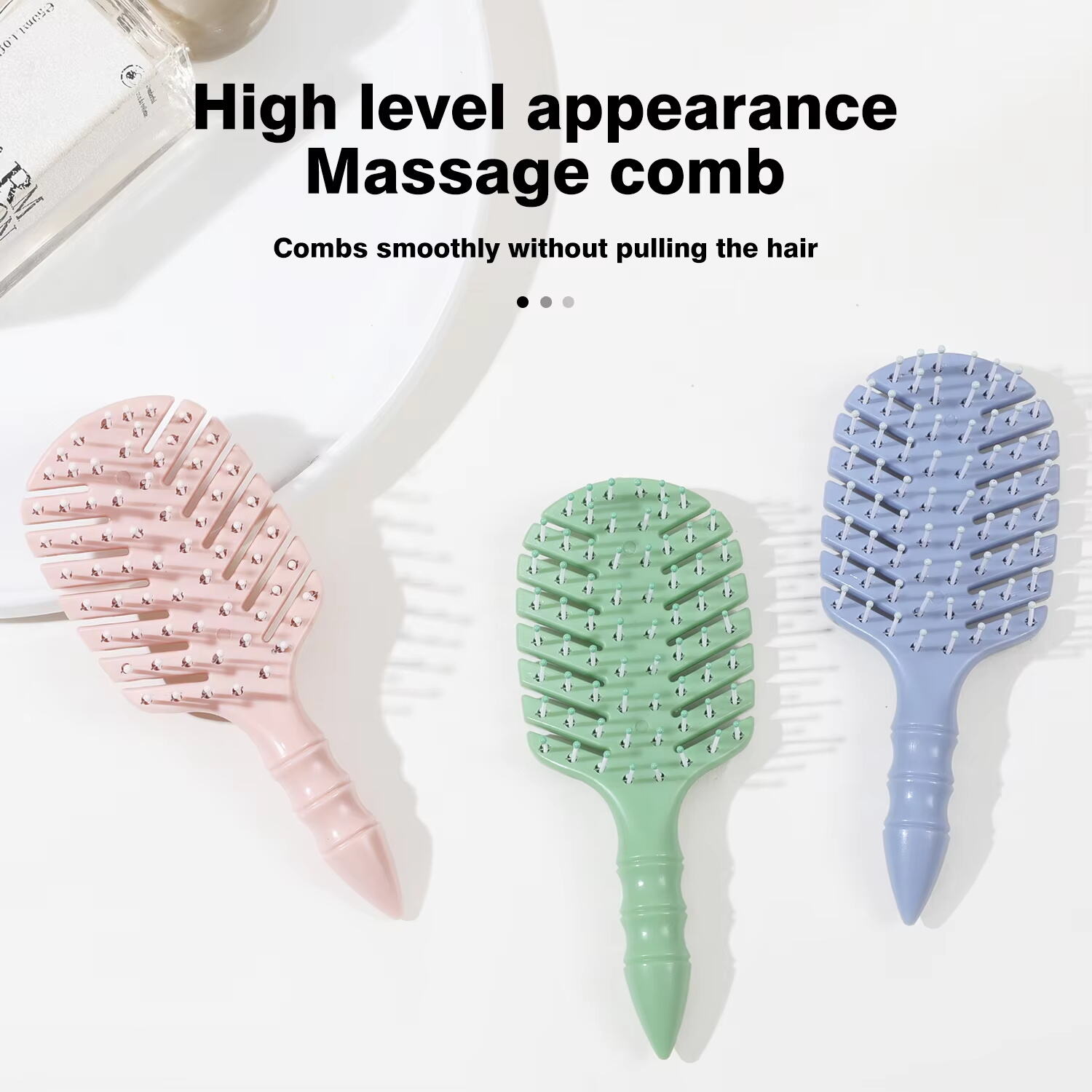
Transform Your Hair Care Routine with Regular Combing
A consistent hair care regimen is essential for maintaining healthy, beautiful locks, and at the heart of this routine lies one of the most fundamental yet powerful tools: the comb. Using a comb for daily care goes far beyond simply detangling hair – it's a practice that can revolutionize your entire approach to hair maintenance. When incorporated mindfully into your daily routine, combing becomes a therapeutic ritual that promotes scalp health, enhances hair growth, and contributes to overall hair wellness.
The simple act of running a comb through your hair stimulates blood circulation in the scalp, distributes natural oils, and helps maintain proper hygiene. As we delve deeper into the benefits and best practices of daily combing, you'll discover why this ancient grooming tool remains irreplaceable in modern hair care routines.
Essential Benefits of Regular Combing
Enhanced Scalp Health and Blood Circulation
When you incorporate a comb for daily care into your routine, you're doing more than just arranging your hair – you're actively promoting scalp health. The gentle pressure applied during combing stimulates blood flow to the scalp, which in turn delivers vital nutrients to your hair follicles. This increased circulation can help strengthen hair roots and potentially promote healthier hair growth.
Regular combing also helps remove dead skin cells, product buildup, and other debris that can accumulate on your scalp. This natural exfoliation process helps maintain a clean, healthy scalp environment, which is crucial for optimal hair growth and maintenance.
Natural Oil Distribution and Moisture Balance
One of the most significant advantages of using a comb for daily care is its ability to distribute your scalp's natural oils (sebum) throughout your hair. As you comb from root to tip, these natural oils are spread evenly along the hair shaft, providing natural conditioning and protection. This process helps prevent both dry ends and greasy roots, creating a more balanced moisture distribution throughout your hair.
This natural oil distribution is particularly beneficial for those with longer hair, as the ends tend to become drier and more prone to damage. Regular combing helps ensure these vulnerable areas receive the nourishment they need to remain healthy and lustrous.
Selecting the Right Comb for Your Hair Type
Material Considerations and Quality Impact
The material of your comb plays a crucial role in its effectiveness for daily care. High-quality wooden combs offer natural anti-static properties and can help distribute oils more effectively. Alternatively, seamless metal combs provide durability and precision, while quality plastic combs with smooth, rounded teeth can be gentle on delicate scalps.
When selecting a comb for daily care, consider investing in one with polished, smooth teeth to prevent snagging and hair breakage. The finish of each tooth should be impeccable, as any rough edges or seams can damage your hair over time.
Tooth Spacing and Design Features
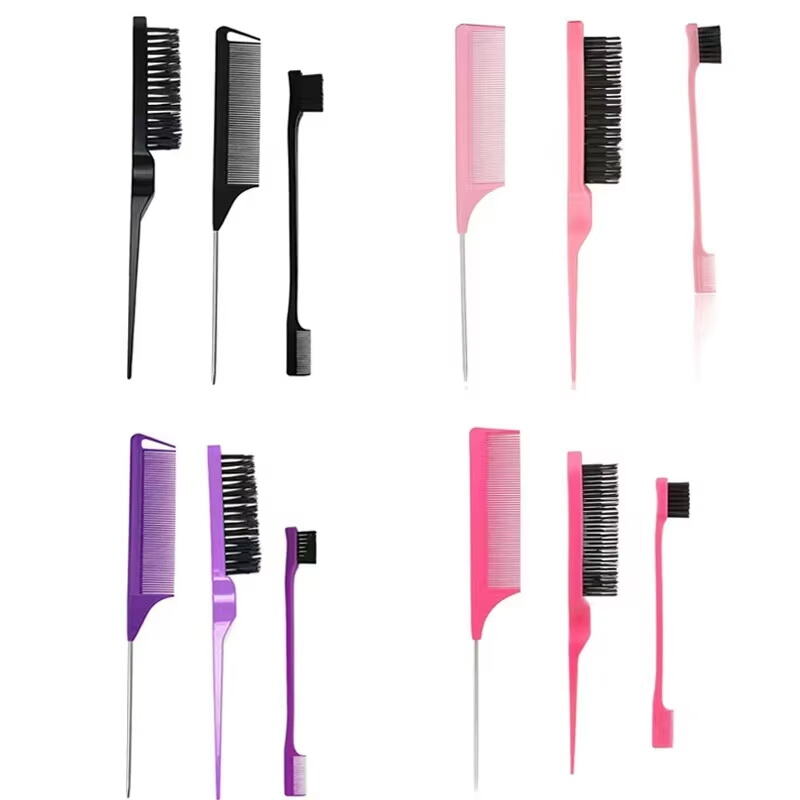
Different hair textures require different tooth spacing for optimal care. Wide-toothed combs are excellent for thick, curly, or wet hair, as they gently detangle without causing breakage. Fine-toothed combs work well for straight, thin hair and can be particularly effective for detailed styling and removing small particles from the scalp.
Many professional-grade combs now feature dual spacing, with wider teeth on one end and finer teeth on the other, making them versatile tools for daily care. This design allows you to start with wider teeth for initial detangling and transition to finer teeth for more precise grooming.
Proper Combing Techniques for Maximum Benefits
Optimal Timing and Frequency
The timing and frequency of your combing routine can significantly impact its effectiveness. While using a comb for daily care is beneficial, it's essential to avoid excessive combing, which can lead to unnecessary stress on your hair. Most hair care experts recommend combing 1-2 times per day, ideally in the morning and before bed.
It's also important to consider the condition of your hair when combing. Wet hair is more susceptible to breakage, so it's best to wait until your hair is at least partially dry before combing. If you must detangle wet hair, use a wide-toothed comb and apply a leave-in conditioner to minimize damage.
Correct Motion and Pressure Application
The way you move your comb through your hair can make a significant difference in the health of your strands. Begin at the tips of your hair and gradually work your way up to the roots, using short, gentle strokes to remove tangles. This bottom-up approach prevents unnecessary pulling and reduces breakage.
Apply consistent but gentle pressure when using your comb for daily care. The goal is to smooth and detangle your hair without causing stress to the scalp or hair shaft. Pay particular attention to any knots or tangles, taking time to work through them carefully rather than forcing the comb through.
Maintaining Your Comb for Optimal Performance
Regular Cleaning and Sanitization
To maximize the benefits of using a comb for daily care, keeping your comb clean is essential. Regular cleaning removes accumulated oils, dead skin cells, and product residue that can transfer back to your hair and scalp. Clean your comb at least once a week using warm water and mild soap, ensuring all debris is removed from between the teeth.
For deeper cleaning, you can soak your comb in a solution of water and apple cider vinegar or a specialized comb cleaning solution. This helps eliminate any bacteria or buildup that regular washing might miss, ensuring your comb remains a hygienic tool for daily care.
Storage and Replacement Guidelines
Proper storage of your comb extends its lifespan and maintains its effectiveness. Store your comb in a clean, dry place away from direct sunlight and heat sources. Consider using a protective case or holder to prevent damage to the teeth and keep dust and debris away.
Even with proper care, combs eventually need replacement. Look for signs of wear such as cracked or broken teeth, rough edges, or permanent discoloration. A well-maintained comb used for daily care typically lasts 6-12 months, though higher-quality materials may last longer.
Frequently Asked Questions
How often should I clean my comb?
For optimal hygiene and effectiveness, clean your comb at least once a week. If you use styling products regularly or have an oily scalp, you might need to clean it more frequently, possibly every 3-4 days.
Can regular combing help with hair growth?
Yes, regular combing can promote hair growth by stimulating blood circulation to the scalp and distributing natural oils throughout the hair. However, it's important to use proper technique and avoid over-combing, which can cause damage.
What's the best way to detangle wet hair?
When detangling wet hair, use a wide-toothed comb and start from the ends, working your way up to the roots. Apply a leave-in conditioner or detangling spray first, and be extra gentle as wet hair is more prone to breakage.
Should I comb my hair when it's wet or dry?
It's generally better to comb hair when it's mostly dry, as wet hair is more susceptible to breakage. If you need to detangle wet hair, use a wide-toothed comb and be very gentle. For daily maintenance, combing dry hair is typically safer and more effective.