 EN
EN

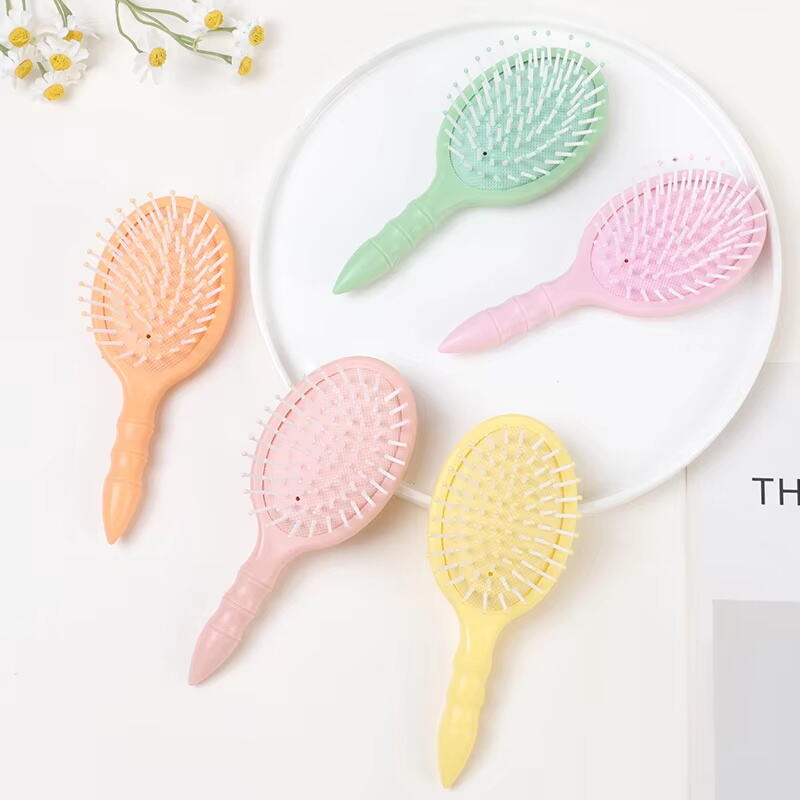
Yes, a massage hair brush can indeed improve blood circulation to the scalp through gentle mechanical stimulation that activates blood vessels and enhances nutrient delivery to hair follicles. The specialized bristles and cushioned design of a massage hair brush create targeted pressure points that stimulate the scalp's microcirculation system, promoting healthier hair growth conditions and overall scalp wellness.
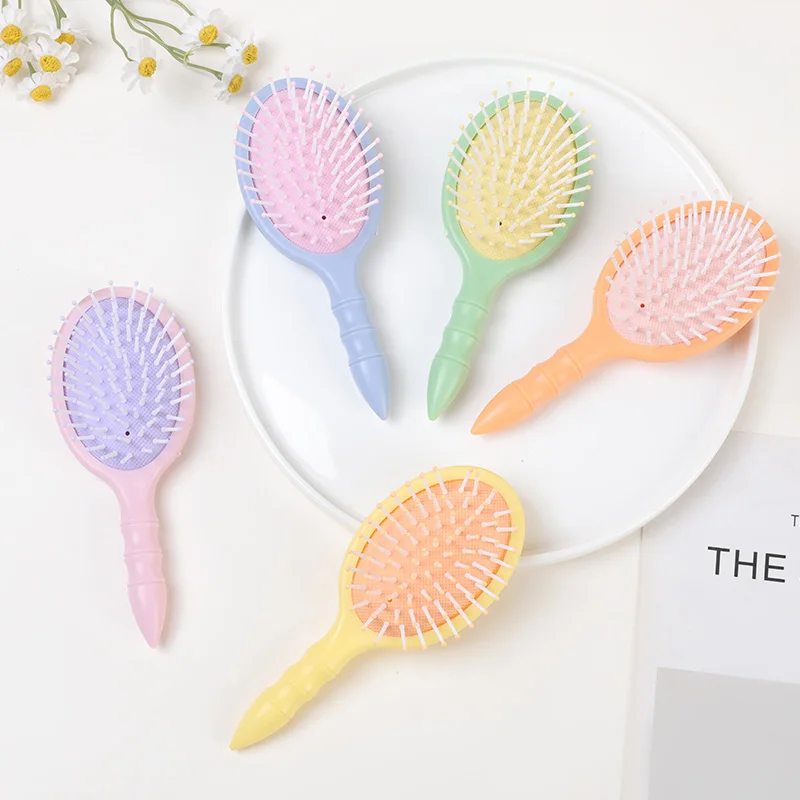
The effectiveness of a massage hair brush in improving circulation depends on proper technique, consistent use, and understanding the physiological mechanisms at work. When used correctly, this simple grooming tool transforms routine hair care into a therapeutic experience that benefits both scalp health and hair quality through enhanced blood flow and follicle stimulation.
Scientific Mechanisms Behind Scalp Circulation Enhancement
Mechanical Stimulation and Vasodilation
The primary mechanism by which a massage hair brush improves circulation involves mechanical stimulation of scalp tissues. When the bristles apply gentle pressure to the scalp surface, they trigger vasodilation in the superficial blood vessels, causing them to expand and allow increased blood flow. This process activates the body's natural response to physical pressure, similar to professional massage therapy techniques used in medical and wellness settings.
Research in dermatology and trichology demonstrates that consistent mechanical stimulation can increase local blood perfusion by up to 300% during active use. The massage hair brush creates this effect through its specially designed bristle configuration, which distributes pressure evenly across the scalp while avoiding excessive force that could damage delicate tissues.
The cushioned base found in quality massage hair brush designs serves a crucial role in this process by providing controlled resistance that allows bristles to penetrate the hair layer and make effective contact with the scalp. This design feature ensures that stimulation reaches the target tissue level where circulation enhancement occurs most effectively.
Neurological Response and Reflexive Effects
Beyond direct mechanical effects, a massage hair brush triggers neurological responses that contribute to improved circulation. The gentle pressure stimulates sensory nerve endings in the scalp, which send signals to the autonomic nervous system responsible for regulating blood vessel diameter and flow patterns. This reflexive response extends the circulatory benefits beyond the immediate area of contact.
The parasympathetic nervous system activation induced by proper massage hair brush use promotes relaxation and stress reduction, which independently supports healthy circulation patterns. Chronic stress and tension often restrict blood flow to peripheral areas, including the scalp, making the relaxation response particularly valuable for maintaining optimal follicle nutrition.
Additionally, the rhythmic motion involved in using a massage hair brush creates a meditative effect that can lower cortisol levels and reduce inflammation markers that otherwise impede healthy circulation. This multi-faceted neurological response amplifies the direct mechanical benefits of scalp massage.
Optimal Usage Techniques for Maximum Circulation Benefits
Pressure Application and Movement Patterns
Achieving maximum circulation benefits from a massage hair brush requires understanding proper pressure application and movement techniques. The optimal pressure should feel firm yet comfortable, similar to the sensation of a professional scalp massage. Excessive force can actually impede circulation by compressing blood vessels too aggressively, while insufficient pressure fails to activate the necessary physiological responses.
Effective massage hair brush technique involves circular motions that cover the entire scalp systematically, starting from the hairline and working toward the crown. Each section should receive 30-60 seconds of attention, with overlapping coverage to ensure no areas are missed. The bristles should maintain consistent contact with the scalp throughout the movement, avoiding quick, superficial strokes that provide minimal stimulation.
Professional trichologists recommend varying the movement patterns during each massage hair brush session to stimulate different nerve pathways and prevent adaptation. Combining circular motions with gentle back-and-forth strokes and occasional stationary pressure points creates comprehensive stimulation that maximizes circulation enhancement across all scalp regions.
Timing and Frequency Considerations
The timing and frequency of massage hair brush use significantly impact its circulation-enhancing effectiveness. Research indicates that 5-10 minute sessions provide optimal stimulation without overstressing scalp tissues. Longer sessions may lead to irritation or paradoxical vasoconstriction as the body attempts to protect against perceived excessive stimulation.
Daily use of a massage hair brush produces cumulative circulation benefits, as regular stimulation trains the vascular system to respond more readily to mechanical input. However, individuals with sensitive scalps or certain medical conditions should begin with every-other-day use and gradually increase frequency based on tolerance and response. The key lies in consistency rather than intensity.
The best times for massage hair brush sessions include before shampooing, when the scalp is accessible and relaxed, or during evening routines when the parasympathetic nervous system is naturally more active. Some users find that morning massage hair brush use provides an energizing effect that complements the circulation benefits with improved alertness and focus.
Physiological Benefits Beyond Circulation Improvement
Follicle Health and Nutrient Delivery
While circulation improvement represents the primary benefit of massage hair brush use, the enhanced blood flow creates secondary advantages for overall scalp and hair health. Improved circulation ensures more efficient delivery of essential nutrients, including vitamins, minerals, and oxygen, directly to hair follicles where they support optimal growth cycles and hair quality.
The increased blood flow generated by massage hair brush stimulation also facilitates better waste removal from follicle tissues. Metabolic byproducts and toxins that can accumulate around hair roots are more efficiently cleared when circulation is enhanced, creating a healthier environment for sustained hair production and follicle longevity.
Studies in hair growth physiology show that follicles receiving adequate blood supply through regular massage hair brush stimulation demonstrate improved diameter, increased growth phase duration, and reduced premature shedding compared to unstimulated control groups. These benefits compound over time with consistent use.
Sebaceous Gland Function and Scalp Balance
The circulation enhancement achieved through massage hair brush use positively influences sebaceous gland function and overall scalp balance. Improved blood flow helps normalize oil production by ensuring these glands receive adequate nutrients while facilitating proper hormonal signaling that regulates sebum output.
Many users report that regular massage hair brush use helps address both excessively oily and overly dry scalp conditions by promoting homeostasis in the scalp's natural oil production systems. The mechanical action also helps distribute existing sebum more evenly throughout the hair shaft, improving natural conditioning and protection.
Enhanced circulation supports the scalp's natural microbiome balance by promoting healthy cell turnover and maintaining optimal pH levels. This creates an environment less conducive to problematic bacteria or fungi that can cause scalp irritation, dandruff, or other inflammatory conditions that impede healthy hair growth.
Factors Affecting Individual Response and Results
Scalp Condition and Sensitivity Variations
Individual responses to massage hair brush circulation benefits vary significantly based on baseline scalp condition and personal sensitivity levels. People with naturally good circulation may notice subtle improvements, while those with compromised scalp blood flow due to stress, medical conditions, or genetic factors often experience more dramatic benefits from consistent massage hair brush use.
Scalp thickness and hair density also influence how effectively a massage hair brush can stimulate circulation. Individuals with thicker scalp tissue may require slightly more pressure or longer sessions to achieve optimal stimulation, while those with thin or sensitive scalps should use lighter pressure and shorter durations to avoid irritation while still gaining circulation benefits.
Age-related changes in scalp elasticity and vascular responsiveness affect massage hair brush effectiveness. Younger users typically see rapid circulation improvements, while older individuals may require more consistent, long-term use to achieve similar results as their vascular systems adapt more slowly to mechanical stimulation.
Lifestyle and Health Factors
Overall cardiovascular health significantly impacts how well a massage hair brush can improve scalp circulation. Individuals with good baseline cardiovascular fitness typically respond more readily to mechanical stimulation, while those with circulation issues may need to combine massage hair brush use with other circulation-supporting activities for optimal results.
Stress levels, sleep quality, and nutritional status all influence the effectiveness of massage hair brush circulation benefits. High stress and poor sleep can counteract the positive effects of mechanical stimulation, while adequate nutrition provides the building blocks necessary for the body to respond optimally to improved blood flow.
Hormonal fluctuations, particularly those related to thyroid function, menstrual cycles, or menopause, can affect how quickly and dramatically individuals notice circulation improvements from massage hair brush use. Understanding these factors helps set realistic expectations and optimize timing for maximum benefit.
Integration with Comprehensive Hair Care Routines
Complementary Treatments and Synergistic Effects
A massage hair brush provides maximum circulation benefits when integrated thoughtfully into a comprehensive hair care routine rather than used as a standalone treatment. Combining massage hair brush stimulation with scalp-nourishing oils, essential nutrients, or targeted treatments amplifies the circulation benefits by ensuring that enhanced blood flow delivers more potent therapeutic compounds to follicle tissues.
The improved absorption achieved through massage hair brush-enhanced circulation makes topical treatments more effective at lower concentrations. This synergistic effect allows users to achieve better results with gentler formulations, reducing the risk of scalp irritation while maximizing therapeutic benefit from both the mechanical stimulation and applied treatments.
Professional stylists and trichologists often recommend using a massage hair brush before applying leave-in treatments or hair growth serums, as the enhanced circulation creates optimal conditions for ingredient penetration and follicle uptake. This timing maximizes the investment in premium hair care products while supporting long-term scalp health.
Long-term Maintenance and Progression
Maintaining the circulation benefits of massage hair brush use requires consistent application and gradual progression in technique sophistication. As the scalp adapts to regular stimulation, users may need to vary pressure, duration, or movement patterns to continue achieving optimal circulation enhancement.
Long-term massage hair brush users often develop sensitivity to their scalp's changing needs, adjusting their technique based on seasonal factors, stress levels, or other health changes that affect circulation. This adaptive approach ensures continued benefit rather than diminishing returns from routine mechanical stimulation.
The cumulative effects of consistent massage hair brush use for circulation improvement become most apparent after 3-6 months of regular application. Users who maintain daily practice often report sustained improvements in hair quality, scalp comfort, and overall hair health that justify the minimal time investment required for effective technique.
FAQ
How long does it take to see circulation improvements from using a massage hair brush?
Most people notice immediate sensations of increased warmth and tingling during massage hair brush use, indicating enhanced circulation. However, measurable improvements in hair health and scalp condition typically become apparent after 4-6 weeks of consistent daily use, with optimal benefits developing over 3-6 months of regular practice.
Can people with medical conditions safely use a massage hair brush for circulation benefits?
Generally, massage hair brush use is safe for most people, but individuals with scalp conditions, blood clotting disorders, or those taking blood-thinning medications should consult healthcare providers before beginning regular use. People with active scalp infections, open wounds, or severe dermatitis should wait until these conditions resolve before using a massage hair brush.
What pressure level provides optimal circulation benefits without causing damage?
The optimal pressure for circulation benefits feels similar to a firm but comfortable scalp massage - enough to feel the stimulation but not causing pain or leaving marks. Start with light pressure and gradually increase until you feel gentle resistance from the scalp tissue. If the pressure causes discomfort during use or scalp sensitivity afterward, reduce the intensity.
Do different massage hair brush designs affect circulation improvement effectiveness?
Yes, massage hair brush design significantly impacts circulation benefits. Brushes with flexible, cushioned bases and rounded bristle tips provide optimal stimulation without trauma. Natural bristle materials often feel gentler but may be less effective for deep stimulation, while synthetic bristles with appropriate flexibility can provide more consistent pressure distribution for enhanced circulation benefits.
Table of Contents
- Scientific Mechanisms Behind Scalp Circulation Enhancement
- Optimal Usage Techniques for Maximum Circulation Benefits
- Physiological Benefits Beyond Circulation Improvement
- Factors Affecting Individual Response and Results
- Integration with Comprehensive Hair Care Routines
-
FAQ
- How long does it take to see circulation improvements from using a massage hair brush?
- Can people with medical conditions safely use a massage hair brush for circulation benefits?
- What pressure level provides optimal circulation benefits without causing damage?
- Do different massage hair brush designs affect circulation improvement effectiveness?