 EN
EN

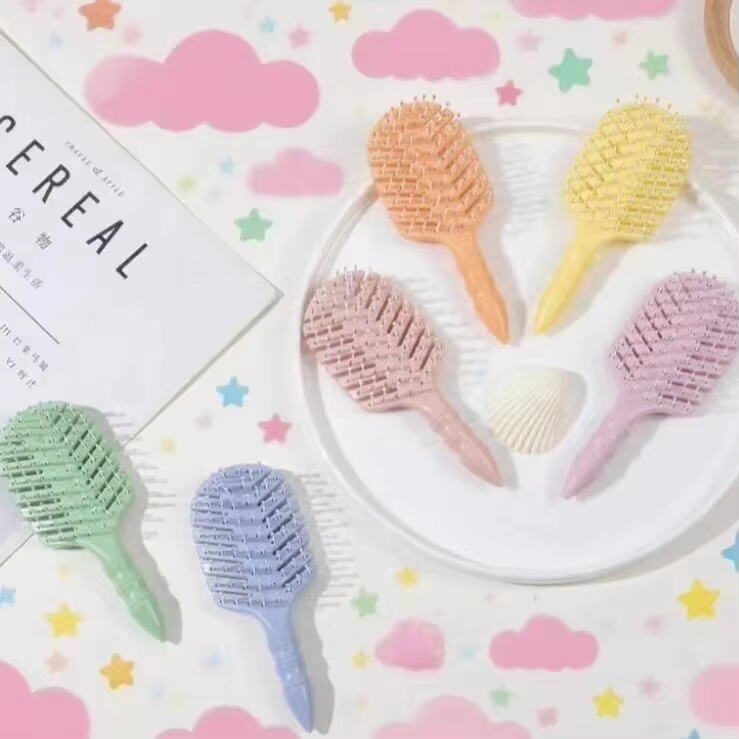
Children's hair care presents unique challenges that require specialized tools and gentle approaches. Traditional adult-sized brushes often prove too large, unwieldy, and harsh for delicate young hair and sensitive scalps. A mini hairbrush emerges as an ideal solution specifically designed to address the distinct needs of children's hair care routines, offering the perfect combination of size, gentleness, and effectiveness that makes daily grooming both comfortable and enjoyable for young ones.
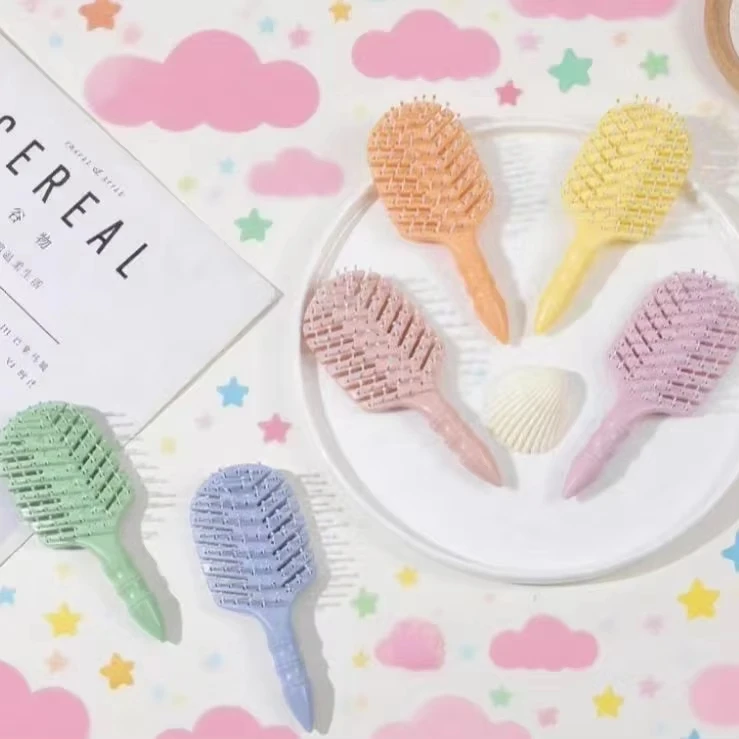
The importance of using appropriately sized grooming tools for children cannot be overstated, as their developing hair structure and sensitive scalp conditions require careful consideration. A mini hairbrush addresses these specific requirements while encouraging independence in personal grooming habits from an early age. Understanding why these compact brushes excel in children's hair care helps parents make informed decisions that promote healthy hair development and positive grooming experiences for their children.
Perfect Size and Ergonomics for Small Hands
Child-Friendly Dimensions
The compact size of a mini hairbrush makes it perfectly suited for children's smaller hand proportions and developing motor skills. Unlike standard brushes that can feel cumbersome and difficult to control, a mini hairbrush fits comfortably in young hands, allowing children to develop proper brushing techniques without strain or frustration. The reduced weight and manageable dimensions enable better grip control, reducing the likelihood of accidental drops that could damage the brush or cause injury.
Children between ages three and ten particularly benefit from the scaled-down proportions of a mini hairbrush, as their hand span and finger strength are still developing. The ergonomic advantages extend beyond mere comfort, actually facilitating the learning process of proper hair care techniques. When children can easily manipulate their grooming tools, they develop confidence in their ability to care for themselves, fostering independence and self-reliance in daily routines.
The lightweight nature of a mini hairbrush also reduces fatigue during longer grooming sessions, which is especially important for children with thicker or longer hair that requires more extensive brushing. Parents often notice that children are more willing to participate in hair care when the tools feel manageable and appropriate for their size, leading to more consistent and thorough grooming habits.
Enhanced Control and Precision
The smaller brush head of a mini hairbrush provides superior control when working through different sections of a child's hair, allowing for more precise detangling and styling. This enhanced precision becomes particularly valuable when dealing with problem areas such as cowlicks, tangles behind the ears, or sensitive spots around the hairline. The focused bristle area enables targeted treatment without disturbing surrounding hair sections.
Parents and children alike appreciate how a mini hairbrush allows for methodical section-by-section brushing, which proves essential for thorough detangling without causing unnecessary discomfort. The controlled brush size makes it easier to follow the natural growth patterns of the hair, reducing breakage and promoting healthier hair development. This precision aspect becomes especially important for children with curly or textured hair that requires careful handling to maintain its natural structure.
The enhanced maneuverability of a mini hairbrush also facilitates better reach into areas that larger brushes might miss or handle roughly. Children can more easily brush the hair at their temples, behind their ears, and at the nape of their neck, ensuring comprehensive coverage during their grooming routine without requiring adult assistance for every session.
Gentle Treatment for Delicate Hair and Scalp
Reduced Scalp Pressure and Irritation
Children's scalps are inherently more sensitive than adult scalps, making gentle treatment a critical consideration in hair care tool selection. A mini hairbrush naturally distributes pressure across a smaller surface area, which paradoxically results in gentler treatment when used with proper technique. The concentrated bristle pattern allows for effective detangling without the aggressive pulling that larger brushes might cause when wielded by inexperienced young hands.
The design characteristics of a mini hairbrush promote gentler brushing motions, as the smaller size encourages shorter, more controlled strokes rather than long, potentially damaging pulls through the hair. This natural tendency toward gentler use helps protect the delicate hair shaft and follicles that are still developing in children. The reduced brush head size also minimizes the risk of catching large sections of hair simultaneously, which could lead to painful pulling or breakage.
Many mini hairbrush designs incorporate flexible bristles that bend and flex more readily under pressure, providing additional protection against scalp irritation. This flexibility becomes particularly important for children who may not yet have developed the fine motor control needed to regulate brushing pressure consistently.
Protection Against Hair Damage
Children's hair strands are typically finer and more fragile than mature adult hair, requiring extra protection against mechanical damage during grooming. A mini hairbrush addresses this vulnerability through its design characteristics that naturally promote gentler handling. The smaller bristle array reduces the likelihood of catching and yanking tangled sections, instead encouraging a more methodical approach to detangling that minimizes breakage.
The compact size of a mini hairbrush also makes it easier for children to maintain proper brushing angles, reducing the risk of pulling hair in directions that could stress the follicles or damage the hair shaft. Proper angle maintenance becomes especially important for children with fine or chemically sensitive hair, where incorrect brushing technique can lead to significant damage over time.
Regular use of an appropriately sized mini hairbrush helps establish healthy grooming patterns that protect the hair's natural structure and promote optimal growth conditions. The gentler treatment provided by these specialized brushes contributes to maintaining the hair's natural moisture balance and reduces the occurrence of split ends and breakage that can result from overly aggressive brushing practices.
Developmental Benefits for Independence and Self-Care
Building Confidence in Personal Grooming
The ability to successfully use grooming tools independently represents a significant developmental milestone for children, contributing to their sense of competence and self-efficacy. A mini hairbrush serves as an ideal stepping stone toward independent self-care, as its manageable size and user-friendly design increase the likelihood of successful grooming experiences. When children can effectively brush their own hair, they develop confidence in their ability to care for themselves, which extends beyond hair care into other areas of personal responsibility.
The psychological benefits of successful tool use cannot be understated in child development. A mini hairbrush that works well in small hands provides positive reinforcement for self-care behaviors, making children more likely to maintain consistent grooming habits. This positive association with personal care tools establishes foundation patterns that often persist throughout life, contributing to overall personal hygiene and self-presentation skills.
Parents frequently observe increased enthusiasm for hair care routines when children have access to age-appropriate tools like a mini hairbrush. The sense of ownership and capability that comes from using tools designed for their size and abilities transforms what might otherwise be a struggle into an opportunity for growth and learning. This transformation often extends to other areas of self-care, as children gain confidence in their ability to manage personal grooming tasks.
Encouraging Healthy Habits from Early Age
Establishing consistent hair care routines during childhood creates lasting habits that contribute to lifelong hair health and personal grooming standards. A mini hairbrush facilitates this habit formation by making the grooming process more accessible and enjoyable for young children. When hair care becomes a positive experience rather than a daily struggle, children are more likely to maintain these important routines as they mature.
The ease of use provided by a mini hairbrush removes many of the barriers that can prevent children from developing consistent grooming habits. When tools are appropriately sized and easy to manage, children can focus on learning proper technique rather than struggling with unwieldy equipment. This focus on technique development during the formative years establishes muscle memory and procedural knowledge that serves them throughout life.
Research in child development suggests that early positive experiences with self-care tools contribute to better long-term adherence to personal hygiene routines. A mini hairbrush represents an investment in a child's future self-care capabilities, providing them with the tools and confidence needed to maintain healthy hair care practices independently as they grow and develop.
Practical Advantages for Daily Use
Travel and Portability Benefits
The compact nature of a mini hairbrush makes it an ideal companion for families with active lifestyles and frequent travel needs. Children's schedules often include school, sports, sleepovers, and family trips, all of which benefit from having portable grooming tools readily available. A mini hairbrush easily fits into backpacks, travel bags, sports equipment cases, and even small purses, ensuring that proper hair care can be maintained regardless of location.
The lightweight design of a mini hairbrush eliminates the burden of carrying heavy grooming tools, which is particularly important for children who are responsible for managing their own belongings. The reduced weight and size make it practical for children to keep a mini hairbrush in their school bag or sports equipment, enabling quick touch-ups and grooming throughout the day without adding significant bulk to their load.
Travel situations often present unique hair care challenges, such as humid climates, chlorinated pool water, or disrupted routines that can affect hair condition. Having a familiar and effective mini hairbrush available helps maintain consistency in hair care practices even when other aspects of the routine must be adapted to new environments and schedules.
Easy Maintenance and Durability
The simplified design of most mini hairbrush models makes them easier to clean and maintain compared to larger, more complex brush designs. The smaller bristle area requires less time and effort to remove accumulated hair and debris, making it more practical for children to learn proper brush maintenance as part of their self-care education. This ease of maintenance contributes to better hygiene and extends the useful life of the grooming tool.
Many mini hairbrush designs incorporate durable materials that can withstand the less-than-gentle handling that children might initially provide. The compact construction often results in fewer breakable parts and a more robust overall design that can survive occasional drops and rough treatment while children are learning proper tool care. This durability makes a mini hairbrush a practical investment for parents seeking long-lasting grooming solutions.
The simplified cleaning requirements of a mini hairbrush also make it easier for parents to maintain hygiene standards without investing excessive time in tool maintenance. Quick daily cleaning becomes feasible, and periodic deep cleaning requires minimal effort, contributing to better overall grooming tool hygiene and extending the brush's useful lifespan.
Age-Appropriate Design Features
Safety Considerations for Young Users
Safety represents a paramount concern when selecting grooming tools for children, and a mini hairbrush typically incorporates design features that minimize risk while maximizing functionality. The smaller size reduces the potential for injury from accidental drops or mishandling, while the scaled-down proportions make it less likely for children to use excessive force during brushing. These safety advantages become particularly important during the learning phase when children are developing proper grooming techniques.
Most quality mini hairbrush designs feature rounded bristle tips and smooth edges that reduce the risk of scalp scratching or injury during use. The materials used in construction are typically selected for their safety profile, avoiding sharp edges or toxic substances that could pose risks to young users. The robust construction of many mini hairbrush models also reduces the likelihood of breakage that could create sharp edges or small parts that might present choking hazards.
The ergonomic design of a mini hairbrush often includes features that promote safe handling, such as non-slip grips or contoured shapes that fit naturally in small hands. These design elements reduce the likelihood of accidental drops while encouraging proper grip techniques that contribute to both safety and effectiveness during use.
Material Selection for Child Safety
The materials used in mini hairbrush construction are typically selected with child safety as a primary consideration, often incorporating non-toxic, hypoallergenic substances that pose minimal risk even if accidentally ingested or extensively handled. Many manufacturers of children's mini hairbrush products utilize food-grade plastics and natural materials that meet strict safety standards for children's products, providing parents with peace of mind regarding daily use.
The bristle materials in a quality mini hairbrush are often designed to provide effective grooming while remaining gentle enough for sensitive young scalps. Natural bristles, synthetic alternatives, or hybrid combinations are selected for their ability to detangle effectively without causing damage or irritation. The flexibility and resilience of these materials contribute to both safety and performance throughout the brush's useful life.
Anti-bacterial and anti-microbial treatments are sometimes incorporated into mini hairbrush materials, helping to maintain hygiene standards and reduce the risk of scalp infections or irritation that could result from bacterial growth on grooming tools. These treatments become particularly valuable in situations where multiple children might share grooming tools or where thorough cleaning between uses might not always be feasible.
FAQ
At what age should children start using a mini hairbrush independently?
Most children can begin using a mini hairbrush with supervision around age 3-4, with full independence typically developing by age 5-6. The exact timing depends on individual motor skill development and interest in self-care activities. Starting with short, guided sessions helps children learn proper technique while building confidence with their mini hairbrush before transitioning to completely independent use.
How often should a mini hairbrush be cleaned and replaced?
A mini hairbrush should be cleaned weekly by removing accumulated hair and washing with gentle soap and water, with more frequent cleaning if used daily or by multiple children. Replacement is typically needed every 6-12 months depending on usage frequency and care, though high-quality mini hairbrush models may last longer with proper maintenance. Signs that replacement is needed include bent bristles, cracked handles, or persistent odors despite proper cleaning.
Can a mini hairbrush work effectively for all children's hair types?
A mini hairbrush can be effective for most children's hair types, though specific bristle configurations work better for different textures and lengths. Children with fine, straight hair benefit from softer bristles, while those with thick or curly hair may need firmer bristles for effective detangling. The key advantage of a mini hairbrush is its size and manageability rather than hair type specialization, though some models are designed specifically for particular hair characteristics.
What features should parents look for when selecting a mini hairbrush?
Parents should prioritize safety features such as rounded bristle tips, non-toxic materials, and ergonomic handles when choosing a mini hairbrush. Additional considerations include bristle flexibility appropriate for the child's hair type, easy-to-clean construction, and durability sufficient to withstand regular use by young hands. The mini hairbrush should feel comfortable in the child's grip and demonstrate effective detangling performance without causing discomfort or hair damage during use.