 EN
EN

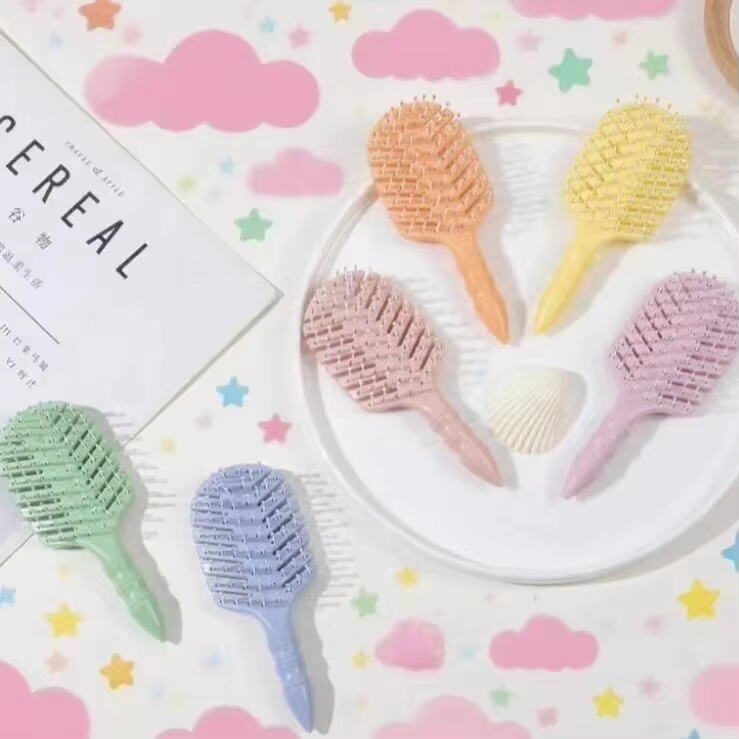
The relationship between scalp health and hair vitality has gained significant attention in recent years, with innovative grooming tools leading the charge in transforming daily hair care routines. Among these breakthrough innovations, the air cushion comb represents a sophisticated blend of traditional combing functionality and therapeutic scalp massage technology. This revolutionary hair care tool has captured the interest of both professionals and consumers seeking enhanced scalp stimulation and improved hair growth outcomes.
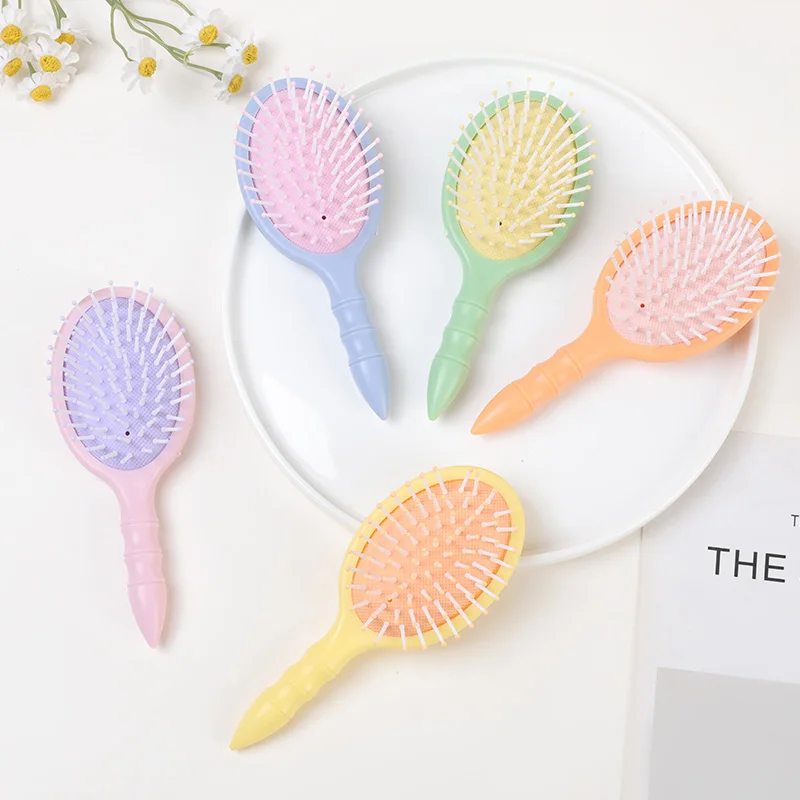
Modern hair care science emphasizes the critical importance of scalp circulation in maintaining healthy hair follicles and promoting optimal growth conditions. The integration of massage elements into daily grooming routines has demonstrated measurable benefits in clinical studies, ranging from increased blood flow to enhanced nutrient delivery to hair roots. Understanding these mechanisms provides valuable insight into why specialized tools like air cushion combs have become increasingly popular among discerning consumers and professional stylists alike.
Understanding Air Cushion Technology in Hair Care
The Science Behind Pneumatic Bristle Systems
Air cushion technology operates on sophisticated pneumatic principles that create a responsive, adaptive brushing experience. The cushioned base contains precisely engineered air chambers that compress and expand with each stroke, providing gentle yet effective pressure distribution across the scalp surface. This dynamic response system ensures that bristles maintain optimal contact pressure regardless of individual scalp contours or sensitivity levels.
The engineering behind these systems involves carefully calibrated air flow mechanisms that allow the cushion to respond instantaneously to varying pressure applications. Unlike rigid brush designs, the pneumatic system creates a buffer zone that prevents excessive force while maintaining effective detangling and massage capabilities. This technological advancement represents a significant evolution from traditional brushing methods that often relied on static bristle arrangements.
Material Innovation and Bristle Design
Contemporary air cushion comb designs incorporate advanced material science to optimize both durability and user comfort. High-grade silicone and specialized polymer compounds are frequently utilized in cushion construction to ensure longevity while maintaining the necessary flexibility for effective pressure modulation. These materials resist degradation from heat, humidity, and chemical exposure common in bathroom environments.
Bristle technology has evolved to include rounded tips and varied lengths that work synergistically with the air cushion system. The combination of different bristle heights creates a multi-level massage effect that reaches various scalp depths while preventing hair breakage. Premium models often feature antimicrobial coatings and ionic treatments that provide additional scalp health benefits during regular use.
Scalp Massage Benefits and Therapeutic Effects
Circulation Enhancement and Blood Flow Stimulation
Clinical research has consistently demonstrated that regular scalp massage significantly increases localized blood circulation, creating optimal conditions for hair follicle nourishment. The mechanical stimulation provided by air cushion comb creates measurable improvements in microcirculation patterns within the scalp tissue. Enhanced blood flow delivers essential nutrients and oxygen while facilitating the removal of metabolic waste products that can inhibit follicle function.
The rhythmic pressure variations created by air cushion technology produce vasodilation effects that extend beyond the immediate massage period. Studies indicate that consistent use of specialized massage tools can create lasting improvements in scalp circulation patterns, contributing to overall hair health and growth potential. These physiological changes often become more pronounced with regular, sustained use over several weeks or months.
Stress Reduction and Neurological Benefits
Scalp massage therapy activates parasympathetic nervous system responses that promote relaxation and stress reduction. The gentle pressure and rhythmic motions associated with air cushion comb use trigger the release of endorphins and other beneficial neurotransmitters that contribute to overall well-being. This neurological response creates a positive feedback loop that enhances both the immediate pleasure of the massage experience and long-term stress management benefits.
Research in therapeutic massage has identified specific pressure patterns and frequencies that optimize relaxation responses. Air cushion technology naturally produces these beneficial pressure variations through its pneumatic design, creating an inherently therapeutic experience with each use. The consistent, gentle pressure distribution helps activate pressure-sensitive receptors in the scalp that signal relaxation pathways in the nervous system.
Comparative Analysis with Traditional Combing Methods
Effectiveness Measurements and Performance Metrics
Quantitative studies comparing air cushion combs to traditional brushing methods reveal significant differences in scalp pressure distribution and hair damage reduction. Specialized pressure mapping technology demonstrates that air cushion systems provide more uniform force distribution, reducing peak pressure points that can cause discomfort or hair breakage. These measurements translate to tangible improvements in user comfort and hair health outcomes.
Performance assessments using standardized testing protocols show that air cushion technology consistently produces superior detangling results while minimizing mechanical stress on hair strands. The adaptive pressure response allows for effective removal of tangles and knots without the excessive force often required with rigid brush designs. This gentle yet effective approach proves particularly beneficial for individuals with fragile, damaged, or chemically treated hair.
User Experience and Comfort Considerations
Consumer feedback consistently highlights the enhanced comfort and reduced scalp irritation associated with air cushion comb use compared to conventional brushing tools. The pneumatic cushioning system absorbs shock and distributes pressure in ways that feel more natural and pleasant to users across different age groups and hair types. This improved user experience often leads to increased compliance with daily hair care routines and better long-term outcomes.
Ergonomic evaluations demonstrate that air cushion designs reduce hand fatigue and wrist strain during extended grooming sessions. The responsive feedback provided by the cushioning system allows users to apply appropriate pressure more intuitively, reducing the muscular effort required for effective brushing. These comfort improvements prove especially valuable for individuals with arthritis, joint issues, or other conditions that affect manual dexterity.
Professional Applications and Industry Adoption
Salon and Spa Integration
Professional hair care establishments have increasingly incorporated air cushion comb technology into their service offerings, recognizing the enhanced client satisfaction and therapeutic benefits these tools provide. Salon professionals report that clients frequently request specific air cushion treatments due to the superior comfort and relaxation effects compared to traditional brushing methods. This professional endorsement has contributed significantly to broader consumer awareness and adoption of the technology.
Training programs for cosmetologists now often include instruction on proper air cushion comb techniques to maximize therapeutic benefits while ensuring client safety and satisfaction. Professional-grade models typically feature enhanced durability specifications and specialized bristle configurations designed to withstand heavy commercial use while maintaining consistent performance standards. The investment in these premium tools often proves cost-effective through improved client retention and service differentiation.
Therapeutic and Medical Applications
Healthcare professionals working in rehabilitation and therapeutic settings have begun incorporating air cushion comb treatments into patient care protocols for individuals recovering from scalp injuries or experiencing hair loss due to medical treatments. The gentle, controlled pressure provided by these tools supports healing processes while providing psychological comfort during challenging recovery periods. Medical-grade versions often include additional sterilization capabilities and hypoallergenic materials suitable for clinical environments.
Research collaborations between medical institutions and hair care manufacturers continue to explore additional therapeutic applications for air cushion technology. Preliminary studies suggest potential benefits for individuals with conditions such as trichotillomania, scalp psoriasis, and chemotherapy-related hair loss. These medical applications represent an expanding frontier for air cushion comb technology beyond traditional cosmetic uses.
Maintenance and Care Guidelines
Cleaning and Sanitization Protocols
Proper maintenance of air cushion comb systems requires specific attention to both the bristle surfaces and internal cushioning mechanisms to ensure optimal performance and hygiene standards. Regular cleaning protocols should include gentle removal of hair and debris followed by thorough sanitization using appropriate antimicrobial solutions. The pneumatic components require careful handling during cleaning to prevent damage to air seals and pressure regulation systems.
Professional-grade cleaning procedures often involve specialized solutions designed specifically for pneumatic hair care tools. These formulations effectively remove oil buildup, styling product residues, and microbial contamination while preserving the integrity of cushioning materials and bristle coatings. Establishing consistent cleaning routines significantly extends tool lifespan while maintaining hygienic conditions for continued use.
Storage and Longevity Optimization
Environmental factors such as temperature, humidity, and exposure to direct sunlight can significantly impact the longevity and performance of air cushion comb systems. Optimal storage conditions involve climate-controlled environments with moderate humidity levels to prevent cushion degradation and bristle damage. Protective cases or covers help shield delicate components from dust accumulation and accidental damage during storage or transportation.
Regular inspection procedures can identify early signs of wear or performance degradation that might compromise massage effectiveness or user safety. Key indicators include changes in cushion responsiveness, bristle alignment issues, or unusual resistance during operation. Proactive maintenance and timely replacement of worn components ensure continued therapeutic benefits and user satisfaction throughout the tool's operational lifespan.
FAQ
How often should I use an air cushion comb for optimal scalp massage benefits
For optimal scalp massage benefits, most experts recommend using an air cushion comb daily for 5-10 minutes during your regular hair care routine. This frequency allows for consistent stimulation of scalp circulation while preventing overstimulation that could potentially cause irritation. Individuals with sensitive scalps may benefit from starting with every other day and gradually increasing frequency as tolerance develops.
Can air cushion combs help with hair growth and thickness
While air cushion combs cannot directly cause new hair growth, the improved scalp circulation and massage effects they provide create optimal conditions for healthy hair development. Regular use may help maximize the growth potential of existing follicles by enhancing nutrient delivery and removing buildup that could inhibit natural growth processes. Results typically become noticeable after 6-8 weeks of consistent use as part of a comprehensive hair care regimen.
Are air cushion combs suitable for all hair types and textures
Air cushion combs are generally suitable for most hair types, though specific bristle configurations may be optimized for different textures and conditions. Fine or damaged hair often benefits from softer bristle options, while thicker or coarser hair types may require firmer bristle designs for effective detangling. Many manufacturers offer specialized versions designed specifically for curly, straight, or chemically treated hair to maximize effectiveness and minimize damage risk.
What should I look for when selecting a high-quality air cushion comb
When selecting a high-quality air cushion comb, prioritize models with responsive pneumatic systems that provide consistent pressure distribution and smooth operation. Look for rounded bristle tips, antimicrobial coatings, and durable construction materials that can withstand regular use and cleaning. Additionally, consider ergonomic handle designs, appropriate bristle density for your hair type, and manufacturer warranties that indicate confidence in product quality and longevity.