 EN
EN

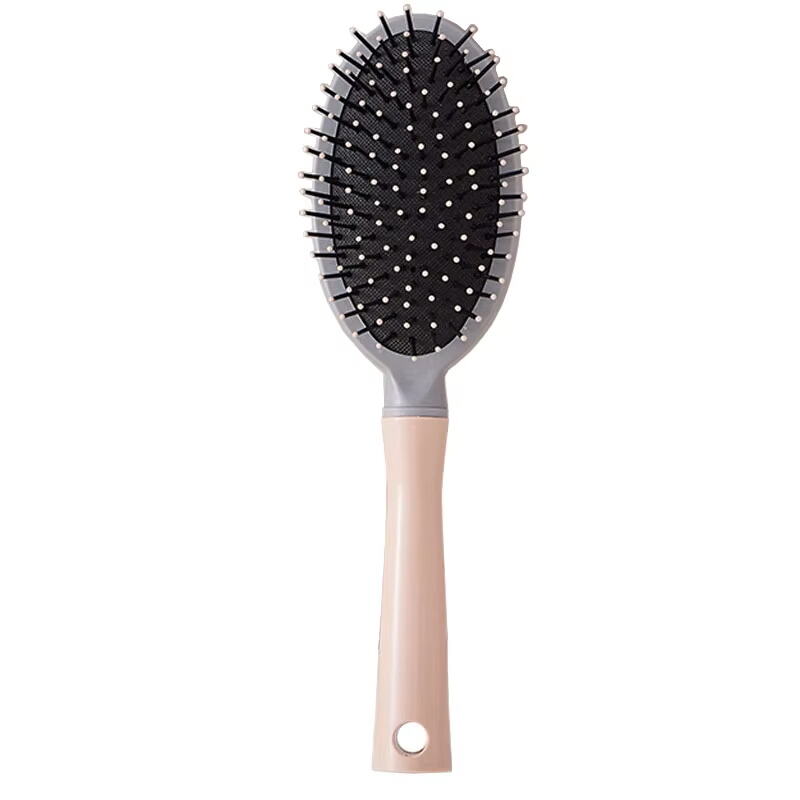
The Science Behind Hair Detangling and Maintenance
The relationship between a comb and healthy hair goes far beyond simple grooming. This essential tool has evolved over thousands of years, from primitive wooden implements to today's sophisticated designs that work in harmony with our hair's natural structure. Understanding how a comb interacts with your hair can revolutionize your daily hair care routine and lead to healthier, more manageable locks.
A well-designed comb works by gently separating hair strands while minimizing friction and static electricity. This careful interaction helps maintain the hair's natural oils, prevents breakage, and promotes overall hair health. When used correctly, a comb becomes your hair's best ally in the battle against tangles and frizz.
Understanding Hair Structure and Combing Mechanics
The Anatomy of Hair Strands
Hair is composed of three main layers: the cuticle, cortex, and medulla. The cuticle, the outermost layer, consists of overlapping scales that protect the inner structures. When we comb our hair, these scales can either lay flat, resulting in smooth, shiny hair, or become raised, leading to tangles and frizz. The right combing technique ensures these scales remain flat and aligned.
The cortex, which makes up the bulk of the hair shaft, contains protein structures that give hair its strength and elasticity. Proper combing helps maintain these properties by preventing unnecessary stress on these vital structures.
How Combing Affects Hair Health
Every stroke of a comb through your hair creates mechanical interactions that can either benefit or damage your strands. The teeth of the comb separate tangled strands while redistributing natural oils from the scalp along the hair shaft. This oil distribution is crucial for maintaining hair's natural moisture balance and protecting it from environmental damage.
The spacing between comb teeth plays a vital role in this process. Wide-toothed combs are gentler on wet hair, while fine-toothed combs can provide more precise styling when hair is dry. Understanding these differences helps you choose the right tool for each situation.
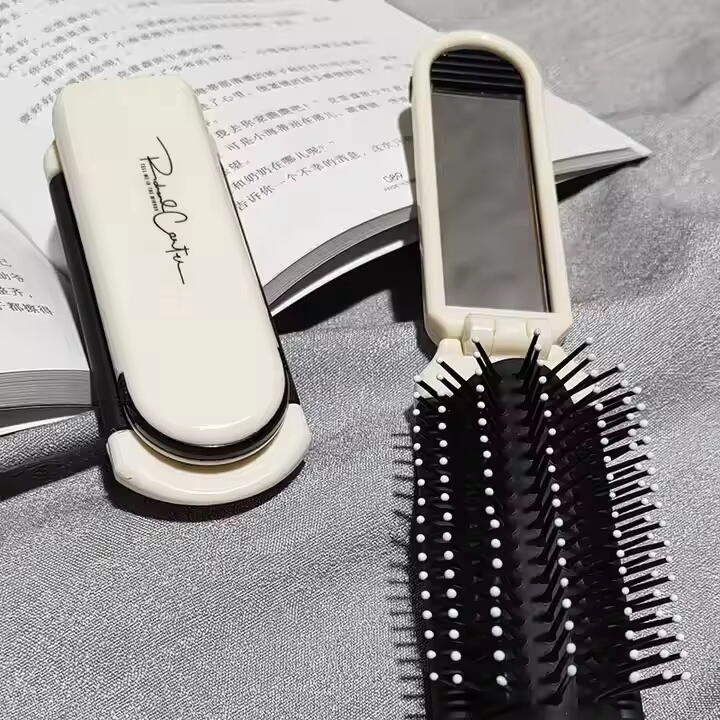
Optimal Combing Techniques for Different Hair Types
Strategies for Straight Hair
Straight hair typically benefits from regular combing with medium to fine-toothed combs. The key is to start from the bottom and work your way up, using gentle, short strokes. This method prevents the formation of knots and reduces the risk of breakage. For straight hair, a daily combing routine helps distribute natural oils and maintain shine.
When dealing with static electricity, using a wooden or horn comb can help reduce flyaways. These natural materials don't generate the same electrical charge as plastic combs, resulting in smoother, more manageable hair.
Curly Hair Care Approaches
Curly hair requires special attention when combing. Wide-toothed combs are essential for preventing damage to delicate curl patterns. The best time to comb curly hair is while it's wet and saturated with conditioner, as this reduces friction and makes detangling easier.
Using a comb to define curl patterns can enhance natural texture. Starting at the nape of the neck and working in sections helps maintain curl integrity while removing tangles effectively.
Advanced Combing Methods for Hair Protection
Wet Hair Management
Wet hair is particularly vulnerable to damage, making proper combing technique crucial. Always use a wide-toothed comb and start from the ends, gradually working up to the roots. This method prevents the formation of large knots and reduces stress on the hair shaft.
Adding a leave-in conditioner or detangling spray before combing wet hair can significantly reduce friction and make the process more efficient. The comb should glide through the hair with minimal resistance to prevent breakage.
Protective Styling Techniques
When using a comb for protective styling, section the hair into manageable parts. This organized approach ensures thorough detangling and prevents overlooked knots that could cause problems later. Using the right comb size for each section helps maintain tension control and prevents unnecessary pulling.
For elaborate styles, combining different comb types can yield better results. A rat-tail comb for precise partings, followed by a wider comb for general detangling, creates professional-looking results while protecting hair integrity.
Frequently Asked Questions
How Often Should I Comb My Hair?
The frequency of combing depends on your hair type and texture. Generally, straight hair can be combed 1-2 times daily, while curly hair might only need combing during wash days or when styling. The key is to avoid over-manipulation while maintaining necessary detangling.
What Type of Comb is Best for Preventing Damage?
Seamless combs with smooth, rounded teeth are ideal for preventing damage. Natural materials like wood or horn can reduce static, while wide-toothed combs are gentler on all hair types. The best comb choice also depends on your hair texture and whether you're working with wet or dry hair.
Can Regular Combing Stimulate Hair Growth?
While combing doesn't directly stimulate hair growth, gentle combing can improve scalp blood circulation and distribute natural oils, creating a healthier environment for hair growth. Additionally, proper combing prevents breakage, allowing hair to retain length and appear to grow faster.