 EN
EN

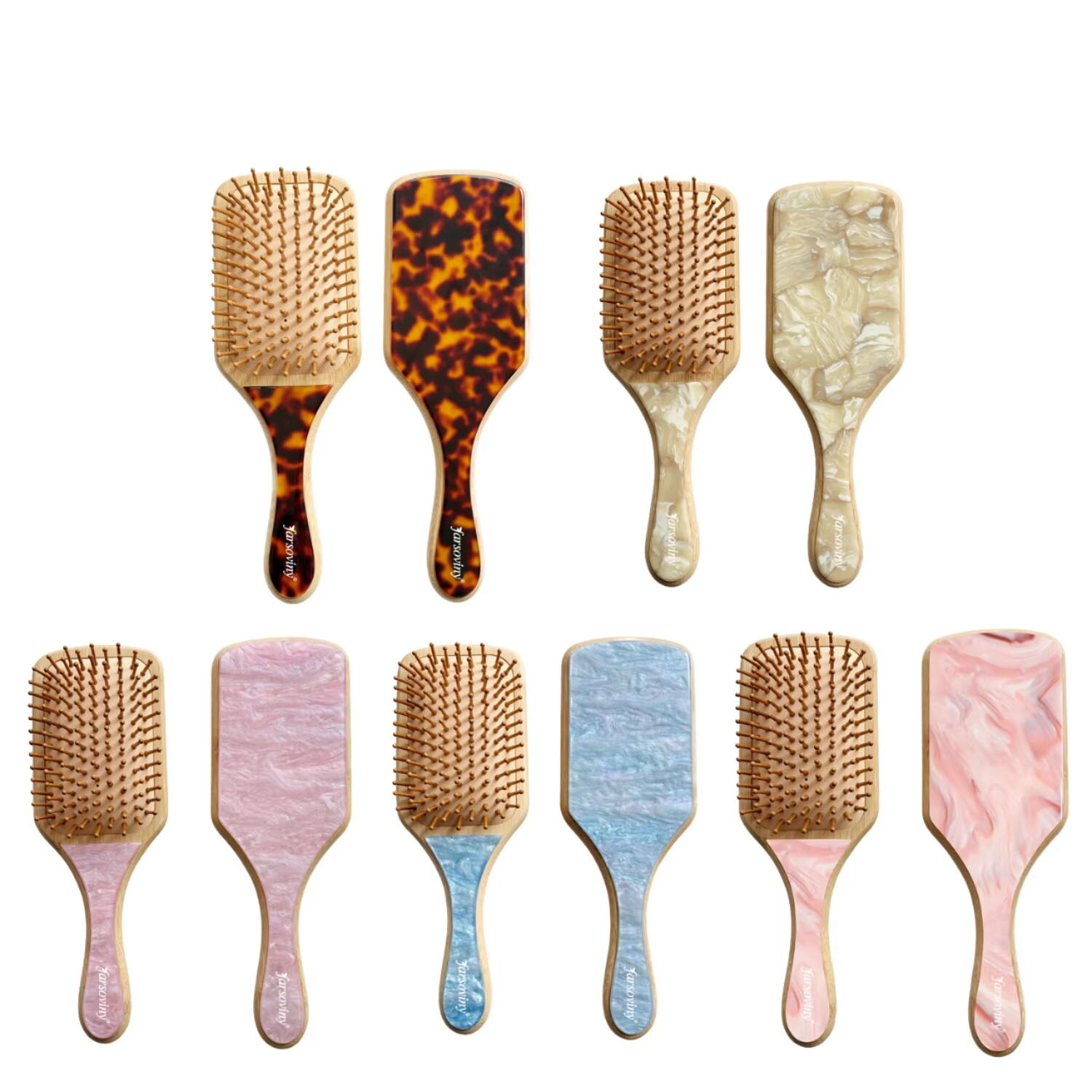
The Essential Role of Combs in Daily Hair Care
Throughout human history, the humble comb has remained an indispensable tool for maintaining healthy, well-groomed hair. From ancient civilizations to modern times, this simple yet effective instrument has evolved while maintaining its fundamental purpose. Understanding why a comb is crucial for hair care reveals the deep connection between proper grooming tools and hair health.
Understanding Comb Design and Materials
Traditional vs Modern Comb Materials
The evolution of comb materials showcases remarkable innovation in hair care technology. Traditional combs were crafted from natural materials like wood, bone, and horn, each offering unique benefits for hair grooming. Modern combs incorporate advanced materials such as high-grade plastic, carbon fiber, and even precious metals. These contemporary materials provide superior durability, heat resistance, and gentle handling of delicate hair strands.
Anatomy of an Effective Comb
A well-designed comb features carefully spaced teeth that work harmoniously with different hair textures. The spacing between teeth plays a crucial role in detangling and styling efficiency. Wide-toothed sections excel at gently separating wet hair, while fine-toothed areas provide precise styling control. The smooth, rounded tips prevent scalp irritation and minimize hair breakage during grooming sessions.
Benefits of Regular Comb Usage
Promoting Scalp Health
Regular combing stimulates blood circulation in the scalp, promoting healthy hair growth and natural oil distribution. The mechanical action of running a comb through your hair helps remove dead skin cells and encourages the production of sebum, your scalp's natural moisturizer. This process maintains optimal scalp health and prevents common issues like dandruff and dry scalp.
Enhanced Hair Maintenance
Daily combing serves as a preventive measure against tangles and knots, reducing hair breakage and split ends. When you use a comb regularly, you're able to detect and address hair problems early, maintaining the overall health and appearance of your locks. The simple act of combing also helps distribute hair's natural oils from root to tip, resulting in naturally moisturized and shiny strands.
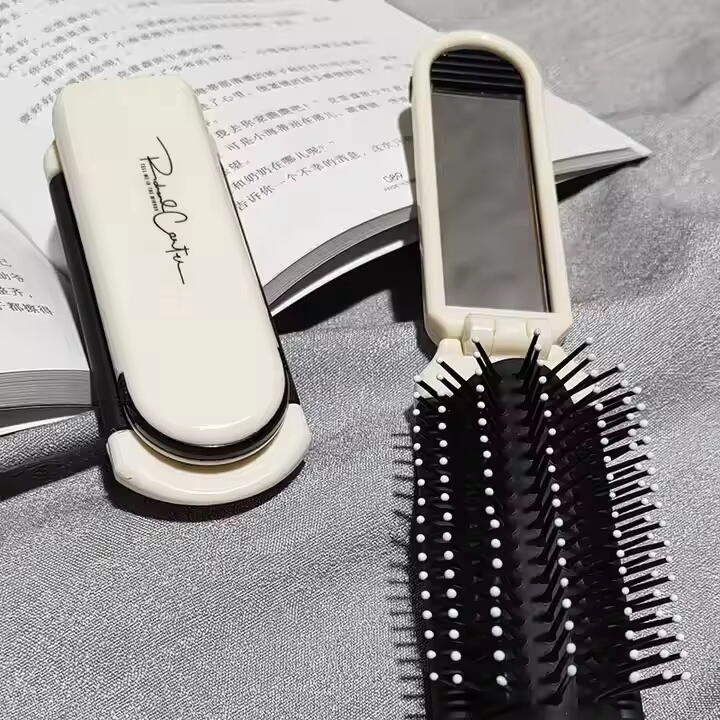
Selecting the Right Comb for Your Hair Type
Fine Hair Requirements
Those with fine hair benefit from combs with closely spaced teeth that provide gentle detangling without causing stress to delicate strands. The ideal comb for fine hair features smooth, polished surfaces that prevent static buildup and maintain the hair's natural shine. Lightweight materials ensure comfortable handling during styling sessions.
Thick and Curly Hair Solutions
Thick and curly hair types require sturdy combs with wider tooth spacing to prevent tension and breakage. These specialized combs often feature reinforced construction to handle dense hair textures effectively. The design focuses on smooth gliding through hair while maintaining curl pattern integrity and reducing frizz.
Professional Combing Techniques
Proper Detangling Methods
Professional hairstylists recommend starting the detangling process from the tips of your hair and gradually working upward toward the roots. This technique minimizes strain on the hair shaft and reduces breakage. Using a comb with appropriate tooth spacing and applying gentle, consistent pressure ensures effective detangling without causing damage.
Styling Applications
Beyond basic grooming, combs serve as versatile styling tools. They enable precise part creation, sleek finish achievement, and detailed styling work. Professional stylists utilize different comb types to achieve various looks, from smooth, straight styles to perfectly defined curls. The comb's precision makes it invaluable for creating both everyday and elaborate hairstyles.
Maintenance and Care of Combs
Cleaning Procedures
Regular cleaning maintains your comb's effectiveness and hygiene. Remove hair and debris after each use, and perform deep cleaning weekly using warm water and mild soap. This maintenance routine prevents product buildup and ensures your comb remains a safe and effective grooming tool.
Storage and Longevity
Proper storage extends your comb's lifespan and maintains its functionality. Keep combs in dry, clean environments away from direct sunlight and extreme temperatures. Quality combs, when well-maintained, can last for years while continuing to provide excellent grooming results.
Frequently Asked Questions
How often should I clean my comb?
For optimal hygiene and performance, remove hair from your comb after each use and perform a thorough cleaning with warm water and mild soap at least once a week. This prevents product buildup and maintains the comb's effectiveness.
Can using the wrong type of comb damage my hair?
Yes, using a comb not suited to your hair type can cause breakage, split ends, and scalp irritation. Choose a comb specifically designed for your hair texture and thickness to ensure gentle, effective grooming.
When is the best time to comb my hair?
While hair can be combed both wet and dry, it's generally best to use a wide-toothed comb on wet hair to prevent breakage. For dry hair, regular combing throughout the day helps maintain style and distribute natural oils.