 EN
EN

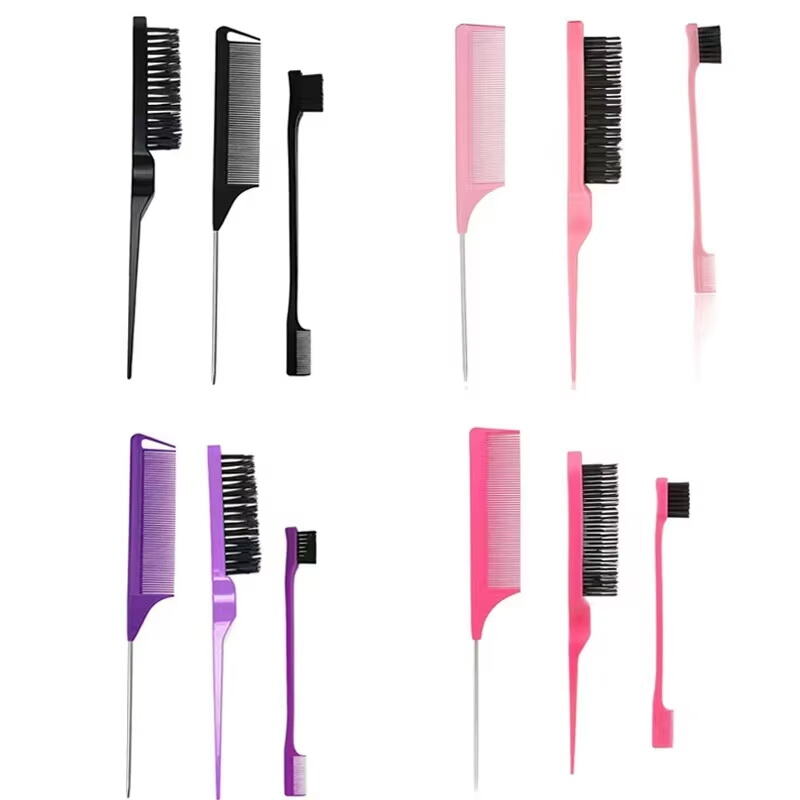
The demand for customized grooming products has surged dramatically across retail and wholesale channels, prompting buyers to question whether specialized manufacturers can accommodate unique design specifications. When sourcing miniature hair care tools for niche markets, children's product lines, or branded promotional campaigns, businesses increasingly seek partners capable of delivering tailored solutions rather than generic stock items. A mini hairbrush factory that embraces custom design capabilities becomes a strategic asset for brands aiming to differentiate their offerings in competitive consumer markets. Understanding the customization capacity of these specialized production facilities requires examining their manufacturing infrastructure, design flexibility, minimum order considerations, and collaborative development processes. This exploration reveals how modern mini hairbrush factory operations balance standardized production efficiency with personalized product development to serve diverse commercial requirements.
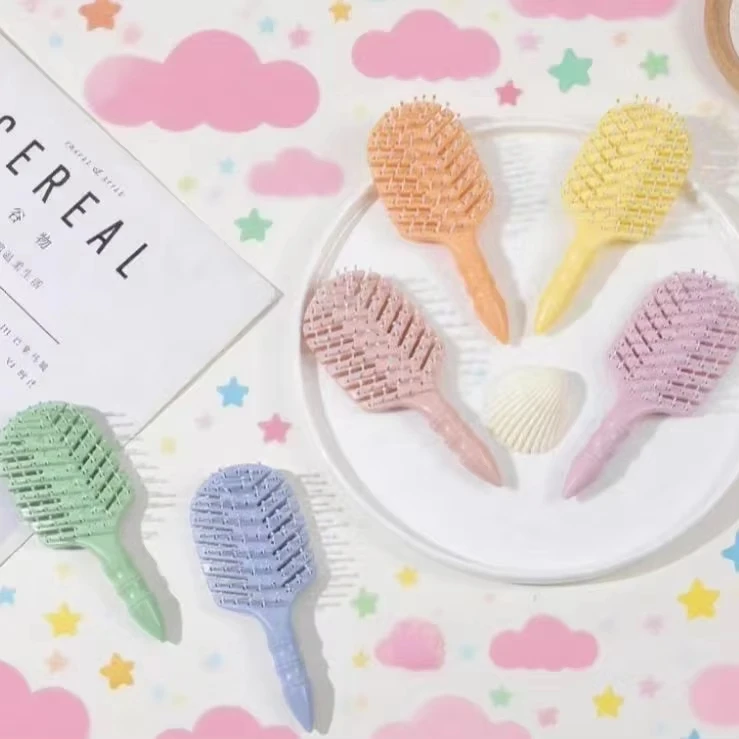
Custom-made designs from a mini hairbrush factory extend far beyond simple color variations or logo placement, encompassing fundamental aspects such as bristle configuration, handle ergonomics, material composition, and functional features tailored to specific user demographics. Professional manufacturing facilities equipped with injection molding technology, multi-cavity tooling systems, and flexible assembly lines can accommodate significant design variations while maintaining production viability. The question of whether such customization is feasible depends on multiple factors including the factory's technical capabilities, existing tooling inventory, design complexity, order volume commitments, and the buyer's willingness to invest in proprietary mold development. Established factories serving international markets typically maintain design teams, prototyping facilities, and quality assurance protocols specifically structured to support custom product development from initial concept through mass production deployment.
Manufacturing Capabilities That Enable Custom Design Production
Injection Molding Technology and Tooling Flexibility
The foundation of custom design capability in any mini hairbrush factory rests upon advanced injection molding infrastructure that can accommodate diverse material specifications and complex geometrical requirements. Modern facilities invest in computer-controlled molding machines with adjustable parameters for temperature, pressure, and cycle timing, enabling precise replication of custom design specifications across large production runs. The technical capacity to work with various thermoplastic resins including polypropylene, ABS, and specialized composites allows manufacturers to tailor product durability, flexibility, and aesthetic properties according to client requirements. Multi-cavity mold systems represent a significant capital investment that demonstrates a factory's commitment to volume production of custom designs, as these precision tools can simultaneously produce multiple identical components with consistent quality standards.
Tooling flexibility extends beyond basic molding capabilities to encompass rapid mold modification procedures that enable design iteration during development phases. A sophisticated mini hairbrush factory maintains in-house mold maintenance departments equipped with CNC machining centers, electrical discharge machining equipment, and skilled technicians capable of adjusting cavity dimensions, surface textures, and parting line configurations. This internal capability dramatically reduces the timeline and cost associated with design refinements compared to facilities dependent on external mold makers. The ability to create prototype molds or single-cavity test tools before committing to full production tooling provides buyers with tangible samples for market testing and design validation, significantly reducing the risk inherent in custom product development initiatives.
Design Team Integration and Technical Support Services
Professional mini hairbrush factory operations distinguish themselves through dedicated design support personnel who collaborate with clients throughout the product development cycle. These technical teams typically include industrial designers familiar with ergonomic principles, materials engineers who understand polymer behavior and processing requirements, and production engineers who ensure manufacturability of proposed designs. The integration of computer-aided design software and three-dimensional modeling capabilities enables rapid visualization of custom concepts and facilitates communication between buyers and manufacturing teams. Experienced design professionals can identify potential production challenges early in the development process, suggesting modifications that preserve design intent while optimizing manufacturing efficiency and cost structure.
Beyond initial design consultation, comprehensive technical support encompasses detailed documentation including engineering drawings, material specifications, quality standards, and assembly instructions that ensure consistent production outcomes. A capable mini hairbrush factory provides regular progress updates during the custom design development phase, including digital renderings, physical prototypes, and pre-production samples for approval before committing to full-scale manufacturing. This collaborative approach minimizes misunderstandings and ensures that the final product accurately reflects the buyer's vision while meeting all functional and safety requirements. The availability of multilingual technical staff and international communication channels further facilitates smooth collaboration with overseas clients who may have specific regulatory or market requirements that must be incorporated into custom designs.
Material Selection and Finish Customization Options
Custom design capabilities at a mini hairbrush factory extend significantly into material science, offering buyers choices that impact both product performance and market positioning. Beyond standard plastic resins, advanced facilities can work with bio-based polymers, recycled content materials, and specialty compounds that meet specific sustainability criteria or regulatory requirements for children's products. The selection of bristle materials represents another critical customization dimension, with options ranging from traditional nylon fibers to natural boar bristle, silicone tips, or specialty ionic-coated filaments designed for specific hair care applications. Each material choice carries implications for manufacturing processes, cost structures, and end-user experience, requiring careful consideration during the design phase.
Surface finish customization allows brands to create distinctive tactile and visual signatures that enhance product appeal and support premium positioning strategies. A well-equipped mini hairbrush factory offers various finishing techniques including matte or glossy surface treatments, soft-touch rubber coatings, metallic paint applications, and textured patterns that improve grip and aesthetic appeal. Color matching services using standardized systems like Pantone ensure precise replication of brand colors across production batches, maintaining visual consistency crucial for retail presentation and brand recognition. Advanced decoration methods such as pad printing, heat transfer labeling, and laser engraving enable permanent application of logos, usage instructions, or decorative elements without compromising product durability or safety standards.
Custom Design Project Requirements and Minimum Order Considerations
Economic Viability and Tooling Investment Structures
The financial framework surrounding custom design production from a mini hairbrush factory centers on mold development costs that must be amortized across production volumes. New product molds represent substantial upfront investments ranging from several thousand to tens of thousands of dollars depending on complexity, cavity count, and precision requirements. These tooling costs create natural minimum order quantity thresholds below which custom design projects become economically impractical for both manufacturer and buyer. Transparent factories provide detailed cost breakdowns separating one-time tooling expenses from per-unit manufacturing costs, enabling buyers to accurately assess total investment requirements and calculate break-even volumes for their specific market applications.
Some progressive mini hairbrush factory operations offer flexible tooling ownership arrangements including rental models, shared tooling for similar designs, or gradual tooling payment plans integrated into initial production runs. These creative financial structures lower the entry barrier for smaller brands or startups seeking custom designs without massive capital outlays. The typical minimum order quantity for fully custom designs ranges from five thousand to fifty thousand units depending on complexity and tooling investment, though factories may negotiate lower minimums for designs requiring only minor modifications to existing product platforms. Understanding these economic parameters early in discussions helps buyers make informed decisions about the feasibility of custom development versus selecting from existing product catalogs with minor customization options.
Timeline Expectations from Concept to Production
Custom design projects undertaken by a mini hairbrush factory follow structured timelines that buyers must understand and accommodate within their product launch schedules. The complete development cycle typically spans eight to sixteen weeks from initial design approval through first production shipment, with significant variation based on design complexity, prototype iterations, and mold fabrication requirements. Initial design consultation and concept development consume approximately two weeks, during which technical teams translate buyer requirements into manufacturable specifications and create digital renderings for approval. This phase establishes critical parameters including dimensions, material selections, color specifications, and functional features that guide subsequent development activities.
Mold fabrication represents the most time-intensive phase, generally requiring six to ten weeks for precision tool creation, testing, and refinement to achieve specified tolerances and surface quality standards. During this period, a professional mini hairbrush factory conducts mold trials, evaluates initial samples against design specifications, and makes necessary adjustments to ensure optimal production outcomes. Pre-production sampling and client approval add another two to three weeks to the timeline, providing opportunities for final design validation and quality verification before committing to full production runs. Rush timelines can sometimes be accommodated through premium fees for expedited mold making or parallel processing of multiple development stages, though buyers should recognize that compressed schedules may increase costs and limit opportunities for thorough testing and refinement.
Intellectual Property Protection and Design Confidentiality
Reputable mini hairbrush factory partners recognize the strategic value of proprietary designs and implement robust intellectual property protection protocols throughout custom development projects. Non-disclosure agreements establish legal frameworks protecting design concepts, technical specifications, and market strategies shared during collaboration, preventing unauthorized disclosure to competitors or other clients. Secure data management systems with access controls ensure that design files, tooling specifications, and product documentation remain confidential and available only to authorized personnel directly involved in the project. These protective measures become particularly critical when custom designs incorporate innovative features, unique aesthetic elements, or proprietary material formulations that represent competitive advantages in target markets.
Tooling ownership agreements clearly define rights to production molds and associated intellectual property, establishing whether tools remain factory property, transfer to the buyer upon payment completion, or operate under shared ownership arrangements. Exclusive production agreements prevent factories from manufacturing identical or substantially similar designs for other clients, protecting buyers' market exclusivity and brand differentiation. A trustworthy mini hairbrush factory maintains transparent policies regarding sample retention, photography restrictions, and limitations on using custom designs in promotional materials without explicit client permission. These comprehensive intellectual property protections provide buyers with confidence that their investment in custom design development translates into sustainable competitive advantages rather than easily replicated commodities available to any competitor willing to place orders.
Collaborative Design Development Process and Client Involvement
Initial Consultation and Requirement Gathering Procedures
The custom design journey with a mini hairbrush factory begins with structured consultation sessions that establish clear communication channels and comprehensive requirement documentation. Professional manufacturers employ detailed questionnaires or briefing forms that capture essential information including target demographics, intended use cases, performance expectations, aesthetic preferences, budget parameters, and timeline constraints. These systematic intake procedures ensure that design teams possess complete context before initiating development work, minimizing misalignment and reducing costly mid-project corrections. Video conferencing capabilities and digital collaboration platforms enable effective communication with international clients, facilitating real-time discussions of design concepts, material samples, and technical considerations regardless of geographical separation.
Experienced mini hairbrush factory representatives guide buyers through critical decision points including material selection trade-offs between cost and performance, design complexity impacts on manufacturing efficiency, and regulatory compliance requirements for target markets. This consultative approach educates clients about manufacturing realities while respecting their market expertise and brand vision, creating collaborative partnerships rather than purely transactional supplier relationships. Reference samples from existing product catalogs help illustrate available features, finish options, and quality levels, providing tangible benchmarks for custom design discussions. Preliminary feasibility assessments conducted during initial consultations identify potential technical challenges or cost implications early in the process, allowing buyers to adjust expectations or refine requirements before significant resources are committed to detailed design development.
Prototype Development and Iterative Refinement Cycles
Physical prototyping represents a critical validation stage in custom design development, transforming digital concepts into tangible products that buyers can evaluate for functionality, ergonomics, and market appeal. A capable mini hairbrush factory utilizes rapid prototyping technologies including 3D printing for quick visualization of design concepts before investing in production tooling. These preliminary models enable early assessment of size, shape, and basic functionality, though they may not perfectly replicate final material properties or surface finishes achievable through injection molding. Prototype evaluation sessions identify necessary adjustments to dimensions, bristle placement, handle contours, or decorative elements, initiating iterative refinement cycles that progressively optimize design performance and manufacturability.
Pre-production samples created from actual production molds using specified materials provide definitive validation before full-scale manufacturing commences. These samples undergo rigorous evaluation against established quality standards, performance specifications, and safety requirements to ensure complete alignment with design intent. A professional mini hairbrush factory encourages thorough client testing of pre-production samples in realistic use scenarios, gathering feedback on aspects including bristle stiffness, handle comfort, durability under repeated use, and any unexpected performance characteristics. This validation phase may reveal minor adjustments needed for optimal performance, which can typically be accommodated through small mold modifications before mass production begins. The investment in comprehensive prototyping and sampling reduces the risk of costly production errors and ensures that final products meet or exceed buyer expectations for quality and functionality.
Quality Assurance Integration Throughout Custom Production
Quality management systems integrated throughout custom design production at a mini hairbrush factory ensure consistent replication of approved specifications across entire production runs. Detailed inspection protocols established during the sampling phase become standard operating procedures for mass production, with dimensional verification, material testing, functional performance checks, and visual quality assessments conducted at multiple production stages. Statistical process control methodologies monitor key parameters including bristle retention strength, handle dimensional accuracy, surface finish consistency, and assembly quality, enabling early detection and correction of any process variations before significant quantities of defective products are produced.
Third-party testing services coordinated by responsible mini hairbrush factory operations verify compliance with applicable safety standards and regulatory requirements for target markets. For children's products, comprehensive testing including small parts assessments, chemical composition analysis, and mechanical durability evaluations ensure conformance with strict safety regulations in major markets. Documentation packages including test reports, material certifications, and production quality records provide buyers with verifiable evidence of product compliance and manufacturing integrity. Final inspection procedures before shipment include random sampling protocols that verify packaging quality, product count accuracy, and proper identification labeling, ensuring that delivered goods meet all contractual specifications and arrive in optimal condition for distribution to end customers.
Strategic Advantages of Custom Design Partnerships with Specialized Factories
Brand Differentiation and Market Positioning Benefits
Custom-designed products manufactured by a specialized mini hairbrush factory create powerful brand differentiation opportunities in crowded consumer markets where generic offerings dominate retail channels. Unique design elements including distinctive shapes, proprietary color combinations, innovative functional features, or signature aesthetic details become recognizable brand assets that consumers associate specifically with particular companies. This visual and functional distinctiveness enhances brand recall, supports premium pricing strategies, and reduces direct price comparison with commodity alternatives. For companies serving niche market segments such as children's products, travel accessories, or salon professional tools, custom designs enable precise tailoring to specific user needs and preferences that generic products cannot adequately address.
Market positioning advantages extend beyond aesthetic differentiation to encompass performance characteristics engineered specifically for target applications. A mini hairbrush factory capable of customizing bristle patterns, material hardness, handle ergonomics, and size proportions enables brands to optimize products for particular hair types, user age groups, or usage contexts. These functionally superior products command customer loyalty and positive word-of-mouth recommendations that drive organic market growth. Exclusive designs protected by intellectual property agreements prevent competitors from offering identical alternatives, creating sustainable competitive advantages rather than easily eroded feature parity. The investment in custom development thus generates ongoing returns through enhanced brand equity and customer retention rather than merely producing another interchangeable commodity product.
Supply Chain Control and Production Flexibility
Establishing custom design partnerships with a reliable mini hairbrush factory creates opportunities for enhanced supply chain control and responsive production planning aligned with market dynamics. Direct relationships with manufacturing facilities eliminate intermediary distributors or trading companies, reducing communication delays, improving transparency regarding production capacity and scheduling, and enabling more agile responses to demand fluctuations. Buyers gain visibility into raw material sourcing, production timelines, and quality control procedures, facilitating better inventory planning and reducing uncertainty in product availability. This supply chain integration becomes particularly valuable during peak seasons or promotional campaigns when rapid production scaling or expedited delivery may provide competitive advantages.
Production flexibility inherent in custom design relationships allows brands to implement product variations, limited editions, or seasonal adaptations without completely redesigning products or developing entirely new manufacturing partnerships. A cooperative mini hairbrush factory can accommodate color changes, minor dimensional modifications, or alternative material specifications using existing tooling infrastructure with minimal lead time and investment requirements. This adaptability supports test marketing initiatives, regional customization strategies, or promotional variations that maintain brand consistency while addressing specific market opportunities. Long-term partnerships with manufacturing facilities that understand brand requirements and maintain production-ready tooling enable rapid response to emerging trends or competitor actions, providing strategic agility difficult to achieve through purely transactional spot-buying arrangements with generic product suppliers.
Cost Optimization Through Design for Manufacturing Principles
Collaborative custom design development with an experienced mini hairbrush factory incorporates design for manufacturing principles that optimize production efficiency and control long-term costs. Manufacturing engineers contribute expertise regarding material utilization, molding cycle optimization, assembly simplification, and waste reduction during the design phase, identifying opportunities to achieve design objectives through more cost-effective production methods. This proactive approach prevents the common pitfall of creating aesthetically appealing designs that prove unnecessarily expensive to manufacture due to complex tooling requirements, difficult material processing, or labor-intensive assembly procedures. The result is products that balance design excellence with manufacturing pragmatism, delivering strong market appeal at sustainable cost structures.
Volume production of custom designs generates economies of scale that progressively reduce per-unit costs as order quantities increase and tooling investments are amortized across larger production runs. A strategic mini hairbrush factory partnership enables buyers to plan multi-year production commitments that justify tooling investments and secure favorable pricing based on cumulative volumes rather than individual purchase orders. Consolidated production runs minimize setup costs and material waste associated with frequent changeovers between different products. These economic advantages become particularly significant for brands experiencing steady growth or managing product lines with predictable seasonal demand patterns. The combination of optimized design, efficient manufacturing processes, and volume-based pricing creates cost structures that support competitive retail pricing while maintaining healthy profit margins throughout the distribution channel.
FAQ
What minimum order quantity should I expect for a completely custom mini hairbrush design?
Most professional mini hairbrush factory operations establish minimum order quantities between five thousand and fifty thousand units for fully custom designs requiring new mold development, with specific thresholds depending on design complexity and tooling investment requirements. Simpler designs with single-cavity molds may qualify for lower minimums around three thousand to five thousand pieces, while complex multi-component products or designs requiring multi-cavity tooling for production efficiency typically necessitate higher volume commitments. Some factories offer reduced minimums for initial trial orders using prototype tooling or single-cavity molds, with expectations that successful market validation will lead to larger production runs using optimized multi-cavity tooling. The economic reality is that custom mold costs ranging from several thousand to tens of thousands of dollars must be recovered through sufficient production volume to make projects financially viable for both manufacturer and buyer. Discussing volume projections and potential growth trajectories during initial consultations helps factories propose appropriate tooling strategies and minimum order structures aligned with buyer capabilities and market development plans.
How much does custom mold development typically cost for mini hairbrush designs?
Custom mold development costs vary significantly based on design complexity, cavity count, precision requirements, and material specifications, with typical ranges between three thousand and fifteen thousand dollars for mini hairbrush applications. Simple single-cavity molds for basic designs with minimal undercuts and straightforward geometries may cost as little as two thousand to four thousand dollars, while sophisticated multi-cavity molds producing multiple components simultaneously with tight tolerances and complex surface textures can exceed twenty thousand dollars. Factors influencing tooling costs include the number of mold cavities which directly impacts per-unit production efficiency, the complexity of part geometry requiring advanced machining techniques or specialized steel grades, and surface finish requirements such as high-gloss polishing or intricate texture patterns. Most mini hairbrush factory operations provide detailed tooling quotations separating mold costs from per-unit manufacturing prices, enabling buyers to understand the complete investment structure. Some manufacturers offer tooling payment plans where initial deposits cover mold fabrication startup costs with remaining balances recovered through slightly higher per-unit pricing on initial production runs, reducing upfront capital requirements for buyers while ensuring factory cost recovery through committed production volumes.
Can I own the production molds after paying for custom design development?
Mold ownership arrangements vary among mini hairbrush factory operations and represent negotiable terms within custom design contracts, with options including full buyer ownership, factory retention with exclusive production rights, or hybrid arrangements. Many manufacturers offer mold purchase agreements where buyers gain complete ownership rights after paying tooling development costs plus any negotiated ownership transfer fees, enabling them to potentially move production to alternative facilities or reclaim molds if manufacturing relationships terminate. However, practical considerations including mold storage requirements, maintenance needs, and compatibility with different factory equipment systems mean that physical mold possession may be less important than contractual exclusive production rights. Some factories retain physical mold custody while granting buyers exclusive manufacturing rights and guaranteed access for inspection or transfer, balancing practical logistics with intellectual property protection. The most critical considerations involve clearly documented agreements specifying production exclusivity, conditions under which molds might be used for other clients, procedures for mold transfer or destruction if relationships end, and responsibility for ongoing mold maintenance and storage costs. Transparent mini hairbrush factory partners establish clear mold ownership terms upfront during contract negotiations, preventing disputes and ensuring both parties understand their rights and obligations regarding valuable production tooling throughout the business relationship.
How long does the complete custom design process take from initial concept to receiving finished products?
The complete timeline from initial design consultation to receiving finished custom products from a mini hairbrush factory typically spans ten to eighteen weeks, with variation depending on design complexity, prototype iteration requirements, and production scheduling. The process begins with a one to two week design consultation and concept development phase where technical teams translate buyer requirements into manufacturable specifications and create approval documentation. Mold fabrication consumes the most significant timeframe at six to ten weeks, during which precision tooling is manufactured, tested, and refined to achieve specified quality standards. Pre-production sampling and approval procedures add another two to three weeks, providing opportunities for final validation before mass production commitment. Actual production time for initial orders varies from one to three weeks depending on order quantity and factory scheduling, followed by quality inspection, packaging, and shipping logistics requiring additional time based on destination and transportation methods. Buyers planning product launches or seasonal introductions should initiate custom design discussions at least four to six months before required delivery dates to accommodate the complete development and production cycle with appropriate buffer for unexpected delays. Some mini hairbrush factory operations offer expedited development programs with premium fees for faster mold fabrication or priority production scheduling, potentially compressing total timelines by two to four weeks when urgent market opportunities justify additional investment in accelerated processing.
Table of Contents
- Manufacturing Capabilities That Enable Custom Design Production
- Custom Design Project Requirements and Minimum Order Considerations
- Collaborative Design Development Process and Client Involvement
- Strategic Advantages of Custom Design Partnerships with Specialized Factories
-
FAQ
- What minimum order quantity should I expect for a completely custom mini hairbrush design?
- How much does custom mold development typically cost for mini hairbrush designs?
- Can I own the production molds after paying for custom design development?
- How long does the complete custom design process take from initial concept to receiving finished products?