 EN
EN

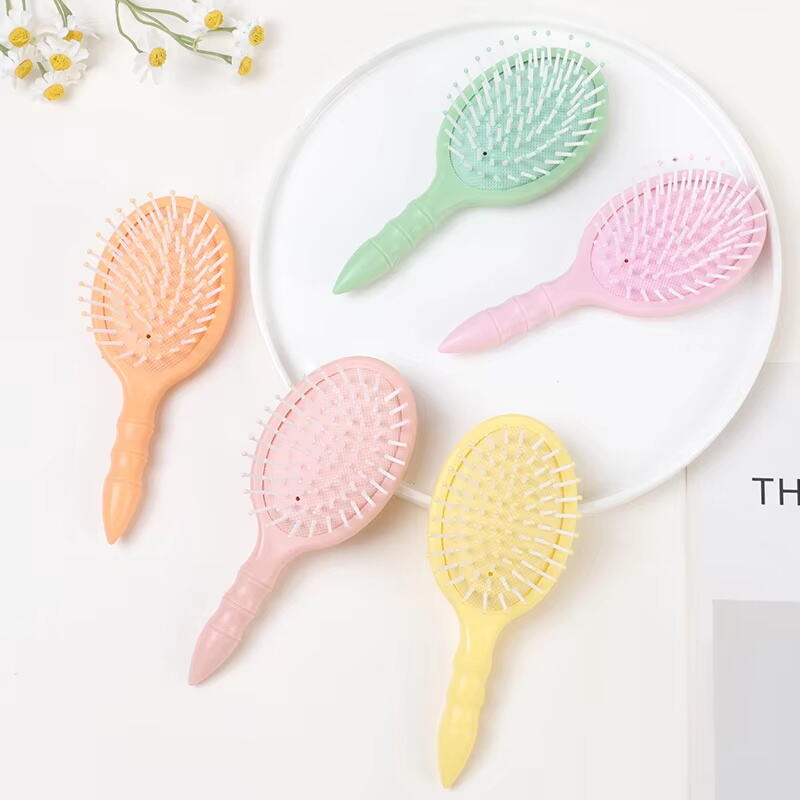
In the competitive landscape of beauty and personal care product distribution, choosing the right manufacturing partner can determine your business success. When retailers, wholesalers, and brand owners consider sourcing massage combs, the decision to work directly with a massage comb factory offers distinct strategic advantages over intermediary suppliers or generic trading companies. Understanding these benefits helps businesses make informed decisions that affect product quality, profit margins, market positioning, and long-term growth potential in the personal care accessories market.
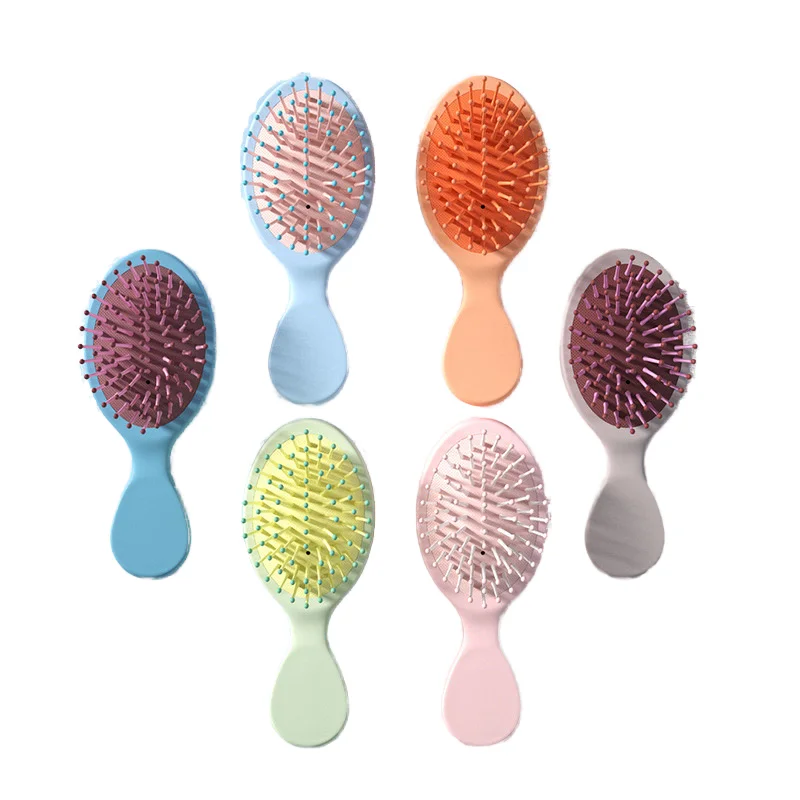
Direct collaboration with a massage comb factory creates opportunities that extend beyond simple product procurement. Factory partnerships enable businesses to access specialized manufacturing expertise, customize product specifications to meet specific market demands, and establish reliable supply chains that support consistent inventory management. This comprehensive exploration examines the tangible advantages that make factory partnerships strategically valuable for businesses operating in the hair care tools and beauty accessories sector, providing actionable insights for decision-makers evaluating their sourcing strategies.
Cost Efficiency and Pricing Advantages
Elimination of Intermediary Markups
Working directly with a massage comb factory removes multiple layers of distribution markups that accumulate when purchasing through wholesalers, trading companies, or other intermediaries. Each middleman in the supply chain adds their own profit margin, which compounds the final cost to the end buyer. By establishing a direct relationship with the manufacturing source, businesses access factory-direct pricing that reflects actual production costs plus a single manufacturer margin. This pricing structure typically results in cost savings ranging from fifteen to forty percent compared to multi-tier distribution channels, depending on product complexity and order volumes.
The financial impact of these savings extends beyond immediate purchase costs. Lower per-unit costs enable businesses to improve their own profit margins while maintaining competitive retail pricing, or alternatively, to price products more aggressively to capture greater market share. For businesses operating on tight margins in competitive markets, these cost advantages can represent the difference between profitable operations and financial strain. Additionally, the transparency of factory-direct pricing allows for more accurate financial forecasting and budgeting, as businesses deal with consistent cost structures rather than variable pricing from intermediaries who may adjust their margins based on market conditions.
Volume-Based Pricing Flexibility
A massage comb factory typically offers structured pricing tiers that reward larger order quantities with progressively better unit costs. This volume-based pricing model reflects the manufacturing economics of setup costs, production efficiency, and material procurement advantages that factories realize with larger orders. Businesses that can commit to substantial order volumes gain access to preferential pricing that significantly improves their competitive position. Even medium-sized businesses can negotiate favorable terms by demonstrating growth potential and establishing long-term purchasing commitments that provide factories with predictable production planning.
Beyond standard volume discounts, direct factory relationships enable customized pricing arrangements that reflect the specific circumstances of each business partnership. Factories may offer seasonal pricing adjustments, early payment discounts, or consolidated shipping arrangements that further reduce total acquisition costs. These flexible pricing structures are rarely available through intermediary suppliers who operate with fixed markup formulas. The ability to negotiate directly with decision-makers at the massage comb factory level creates opportunities for creative commercial arrangements that benefit both parties while optimizing the total cost of goods for the purchasing business.
Reduced Total Landed Cost
The total landed cost of products includes not just the purchase price but also shipping, customs duties, insurance, quality control expenses, and other logistics costs. Massage comb factory partnerships often provide advantages in optimizing these additional cost components. Factories with established export operations offer consolidated shipping arrangements, preferred freight forwarder relationships, and expertise in documentation that reduces customs delays and associated costs. Their experience in international logistics helps businesses avoid common pitfalls that can dramatically increase total landed costs for inexperienced importers.
Furthermore, direct factory relationships typically include better packaging optimization to maximize container utilization and minimize dimensional weight charges in air freight scenarios. A knowledgeable massage comb factory understands how to configure product packaging to balance protection requirements with shipping efficiency, resulting in lower per-unit transportation costs. These seemingly small optimizations accumulate into substantial savings over multiple shipments, particularly for businesses importing regularly. The factory's willingness to adjust packaging specifications to meet specific shipping requirements represents another flexibility advantage that intermediary suppliers rarely provide.
Product Customization and Development Capabilities
Design Modification and Adaptation
One of the most significant advantages of partnering with a massage comb factory lies in the ability to customize product designs to meet specific market requirements or brand positioning strategies. Factories possess the technical expertise, tooling capabilities, and production flexibility to modify existing designs or develop entirely new products based on client specifications. This customization capability enables businesses to differentiate their product offerings from competitors who rely on standard catalog items available to all market participants. Whether adjusting comb tooth patterns for specific hair types, modifying handle ergonomics for target demographics, or incorporating unique aesthetic elements that align with brand identity, factory partnerships make these adaptations feasible.
The design modification process at a massage comb factory typically begins with technical consultation where factory engineers assess the feasibility and cost implications of proposed changes. Experienced factories provide valuable input on design optimization, suggesting modifications that enhance manufacturability without compromising intended functionality or aesthetics. This collaborative approach ensures that customized products remain cost-effective to produce while meeting the client's specifications. The ability to iterate designs through sampling and testing before committing to full production runs minimizes the risk of costly mistakes and ensures that final products meet quality expectations and market requirements.
Private Label and Branding Opportunities
Direct relationships with a massage comb factory facilitate private label arrangements that allow businesses to build proprietary brand equity rather than selling generic products. Factories accommodate custom packaging design, logo placement, color schemes, and branded materials that transform standard products into distinctive branded offerings. This branding capability is particularly valuable for businesses seeking to establish themselves as recognized brands rather than commodity resellers. Private label products command higher margins, foster customer loyalty, and create barriers against direct price comparison with competitors.
Beyond basic logo application, sophisticated massage comb factory partners offer comprehensive branding services including packaging design consultation, material selection guidance, and regulatory compliance support for labeling requirements in different markets. They understand the commercial importance of packaging that communicates quality and value to end consumers, and they invest in printing and finishing capabilities that deliver professional results. Some factories maintain relationships with packaging designers and can coordinate complete brand development projects, providing turnkey solutions for businesses that lack in-house design resources. This comprehensive support transforms the factory from a simple supplier into a strategic partner in brand building.
Innovation Access and Product Development
Massage comb factory partnerships provide access to ongoing innovation in materials, manufacturing techniques, and product features. Factories invest in research and development to maintain competitive advantages and respond to evolving market trends. Business partners benefit from this innovation through early access to new product developments, insights into emerging consumer preferences, and opportunities to collaborate on next-generation product designs. This innovation access keeps product portfolios fresh and relevant, helping businesses stay ahead of market trends rather than constantly reacting to competitor initiatives.
The collaborative innovation process at a forward-thinking massage comb factory involves sharing market intelligence, consumer feedback, and competitive observations that inform product development priorities. Businesses that provide valuable market insights often receive preferential access to new product launches and exclusive arrangements for innovative designs. This partnership approach to innovation creates mutual value, as factories gain market intelligence that guides their development investments while business partners gain competitive advantages through differentiated product offerings. The depth of these collaborative relationships often determines long-term success in dynamic markets where consumer preferences and competitive landscapes constantly evolve.
Quality Control and Manufacturing Standards
Direct Quality Oversight
Partnering directly with a massage comb factory enables businesses to implement robust quality control processes that would be impossible when purchasing through intermediaries. Direct relationships allow for pre-production sample approval, in-process inspection arrangements, and final quality audits before shipment. Businesses can establish specific quality standards, inspection protocols, and acceptable quality levels that the factory commits to meeting. This direct oversight significantly reduces the risk of receiving substandard products that damage brand reputation or generate costly returns and customer complaints.
Many massage comb factory operations welcome client visits for facility audits and quality system reviews. These factory visits provide invaluable insights into actual manufacturing conditions, quality control procedures, and the factory's commitment to standards. Observing production processes firsthand allows businesses to assess whether the factory's capabilities align with their quality requirements and whether the manufacturing environment supports consistent output. Regular factory visits also strengthen relationships and demonstrate the business's commitment to quality, which often motivates factories to maintain higher standards for valued partners. Third-party inspection services can be arranged more easily with direct factory relationships, providing independent verification of quality standards.
Material Selection and Specification Control
Direct massage comb factory partnerships enable precise control over materials used in product manufacturing. Businesses can specify particular plastic grades, specify requirements for material safety certifications, or mandate the use of sustainable materials that align with corporate responsibility commitments. This material control is particularly important for products that come into direct contact with consumers, where material quality affects both product performance and safety. Factories working directly with brands understand the reputational importance of material quality and are generally more accommodating of specific material requirements than intermediaries who prioritize standardization across multiple clients.
The ability to specify and verify materials extends to functional components such as airbag cushions, massage nodes, and other elements that define product performance. A reputable massage comb factory maintains documentation of material specifications, test reports, and certifications that verify compliance with relevant standards. They can provide material safety data sheets, biocompatibility testing results, and other technical documentation that supports regulatory compliance in different markets. This transparency regarding materials and components provides assurance that products meet both performance expectations and legal requirements, reducing compliance risks for businesses selling in regulated markets.
Consistency Across Production Runs
Manufacturing consistency represents a critical quality dimension that affects customer satisfaction and brand perception. When consumers purchase a product they previously enjoyed, they expect identical quality and performance. Direct relationships with a massage comb factory support this consistency through established production specifications, controlled processes, and maintained tooling. Factories committed to long-term partnerships invest in process controls and documentation that ensure each production run meets the same standards as previous batches. This consistency is difficult to achieve when sourcing through intermediaries who may switch between multiple factories based on pricing or availability.
Production consistency also encompasses aesthetic elements such as color matching, surface finish quality, and assembly precision. A dedicated massage comb factory partner maintains color standards, preserves master samples for reference, and implements statistical process controls that minimize variation. They understand that consistency directly affects the client's brand reputation and they take appropriate measures to deliver uniform products. When issues do arise, direct factory relationships enable rapid problem identification and correction, preventing the accumulation of defective inventory. This responsiveness and commitment to consistency creates value that extends far beyond initial purchase pricing.
Supply Chain Reliability and Business Continuity
Production Capacity and Scalability
Understanding a massage comb factory's production capacity and scalability provides critical advantages for business planning and growth management. Direct factory relationships offer transparency regarding available capacity, lead times, and the factory's ability to accommodate growing order volumes. This information enables businesses to plan marketing initiatives, seasonal promotions, and expansion strategies with confidence that their manufacturing partner can support increased demand. Factories appreciate partners who provide advance notice of volume changes and who collaborate on capacity planning, often prioritizing these collaborative clients when capacity becomes constrained during peak periods.
Scalability extends beyond simple volume increases to include the factory's ability to support business expansion into new markets, product line extensions, and geographical distribution growth. A well-established massage comb factory with multiple production lines and flexible staffing can adjust to changing demand patterns more effectively than smaller operations with limited resources. They can implement additional shifts, dedicate production lines to specific clients, or invest in additional equipment when long-term volume commitments justify these investments. This scalability provides businesses with growth confidence, knowing their manufacturing partner can support their ambitions rather than constraining opportunities due to capacity limitations.
Inventory Management and Stockholding
Some massage comb factory partners offer inventory management services that reduce working capital requirements for their business clients. These arrangements may include maintaining safety stock, implementing just-in-time delivery schedules, or providing consignment inventory arrangements. Such services are particularly valuable for businesses with limited warehousing capacity or those seeking to minimize inventory carrying costs. The factory's ability to store finished goods and ship on demand provides flexibility that improves cash flow management and reduces the risks associated with over-ordering or inventory obsolescence.
Sophisticated factory partnerships may include vendor-managed inventory systems where the factory monitors the client's stock levels and automatically replenishes inventory based on agreed parameters. These collaborative arrangements require high levels of trust and communication but deliver significant operational benefits when properly implemented. The factory gains better production planning visibility while the client enjoys improved inventory turnover and reduced stockout risks. For businesses operating across multiple sales channels or geographical markets, coordinated inventory management with a reliable massage comb factory partner simplifies logistics and ensures product availability where and when needed.
Risk Mitigation and Backup Planning
Supply chain disruptions represent significant business risks that can result from natural disasters, political instability, labor disputes, or other unforeseen events. Direct relationships with a massage comb factory enable proactive risk assessment and contingency planning. Businesses can evaluate the factory's risk exposure, understand their business continuity plans, and work collaboratively on backup strategies. Some larger factories operate multiple facilities in different locations, providing inherent redundancy that protects against localized disruptions. Understanding these operational details helps businesses assess supply chain vulnerability and implement appropriate risk mitigation measures.
The relationship depth typical of direct factory partnerships facilitates transparent communication during crisis situations. When disruptions occur, direct contacts at the massage comb factory can provide real-time updates on situations, recovery timelines, and alternative arrangements. This communication enables businesses to manage their own customer expectations and implement contingency plans proactively rather than discovering supply problems only when expected shipments fail to arrive. The trust and communication patterns established during normal operations prove invaluable during challenging periods, often determining whether disruptions become minor inconveniences or major business crises.
Strategic Partnership and Long-Term Value
Market Intelligence and Trend Insights
A massage comb factory serving multiple clients across different markets accumulates valuable market intelligence that benefits strategic partners. They observe purchasing patterns, design preferences, and feature requests from various markets, providing insights into emerging trends before they become widely apparent. Forward-thinking businesses leverage these factory relationships as information sources, gaining competitive intelligence that informs product development, marketing strategies, and market positioning decisions. Factories appreciate partners who reciprocate by sharing their own market observations, creating mutually beneficial information exchanges that enhance both parties' market understanding.
This intelligence extends to competitive activity, as factories often observe what competing businesses are ordering and how market preferences are shifting. While ethical factories maintain appropriate confidentiality regarding specific client information, they can share general market observations and trend data that help partners make informed decisions. Understanding that certain product features are gaining popularity, that specific color palettes are trending, or that particular market segments are expanding enables businesses to adjust their strategies proactively. These insights represent intangible value that accumulates over time in strong factory relationships, providing competitive advantages that would be difficult to obtain through other means.
Preferential Treatment and Priority Status
Long-term relationships with a massage comb factory often result in preferential treatment that delivers tangible business advantages. Factories naturally prioritize clients who provide consistent orders, pay reliably, and maintain professional relationships. This priority status manifests in various ways including faster production scheduling during busy periods, more flexible payment terms, willingness to accommodate rush orders, and greater responsiveness to quality concerns or specification changes. The cumulative value of these preferential treatments can significantly exceed any minor cost advantages that might be obtained by constantly switching between suppliers in pursuit of minimal price differences.
Priority status also provides advantages during industry-wide challenges such as raw material shortages or capacity constraints. When factories face difficult allocation decisions during supply crunches, they protect their most valued relationships first, sometimes at the expense of less committed clients. Businesses that have invested in building strong massage comb factory partnerships weather these challenging periods more successfully than those who treat factories as interchangeable commodity suppliers. The relationship equity built through consistent collaboration, respectful communication, and mutual support creates resilience that proves valuable precisely when business conditions become most challenging.
Collaborative Growth and Shared Success
The most successful massage comb factory partnerships evolve into collaborative relationships characterized by shared growth objectives and mutual investment in success. When factories understand their clients' business models, growth strategies, and market challenges, they become genuine partners rather than transactional suppliers. This partnership mindset motivates factories to invest in capabilities that specifically support their clients' needs, whether through equipment purchases, process improvements, or staff training. The alignment of interests creates synergies that benefit both parties, as the factory's success becomes directly linked to their clients' market success.
These deep partnerships often include joint investment in product development, co-marketing initiatives, or exclusive arrangements that protect both parties' investments. Some businesses collaborate with massage comb factory partners on innovation projects where development costs and market risks are shared, as are the rewards when products succeed. This level of collaboration represents the evolution from simple buyer-supplier transactions to strategic alliances that create competitive advantages neither party could achieve independently. Building these relationships requires time, trust, and consistent effort, but the resulting partnerships deliver sustained value that transcends individual transactions or short-term cost considerations.
FAQ
How do I verify a massage comb factory's reliability before committing to a partnership?
Verifying factory reliability requires multiple verification steps including requesting business licenses and manufacturing certifications, conducting facility audits either personally or through third-party inspection services, checking references from existing clients, and starting with small trial orders to assess quality and communication standards. Review the factory's quality management systems, examine their client portfolio to understand their experience level, and evaluate their responsiveness and professionalism during initial communications. Established factories should readily provide documentation of their certifications, production capabilities, and quality control processes. Consider working with factories that hold relevant ISO certifications or industry-specific quality standards as these demonstrate commitment to systematic quality management.
What minimum order quantities should I expect when working with a massage comb factory?
Minimum order quantities vary significantly based on product complexity, customization requirements, and the specific factory's policies. Standard catalog products from a massage comb factory typically have lower minimum order quantities, often ranging from five hundred to two thousand units, while customized products with unique tooling, colors, or specifications generally require higher minimums of three thousand to ten thousand units or more to justify setup costs. Some factories offer flexibility for new clients or test orders, accepting smaller initial quantities with the understanding that ongoing orders will meet standard minimums. Discuss minimum order requirements early in partnership discussions and understand how these requirements change for standard versus customized products, as this significantly affects inventory investment and cash flow planning.
Can massage comb factories assist with regulatory compliance for different markets?
Experienced massage comb factory partners typically provide substantial support for regulatory compliance, particularly for markets where they have established export experience. They can supply necessary documentation including material safety certifications, test reports for relevant standards, and certificates of compliance for specific markets. Many factories maintain relationships with testing laboratories and can arrange required product testing for markets with specific regulatory requirements. However, ultimate compliance responsibility remains with the importing business, so companies should verify that provided documentation meets their market's specific requirements and consult with regulatory experts when entering new markets with complex compliance frameworks. Factories serving international markets understand common requirements such as material restrictions, safety testing, and labeling standards, but businesses should clearly communicate their specific compliance needs early in the partnership.
How can I protect my custom designs when working with a massage comb factory?
Design protection when working with a massage comb factory involves both legal and relationship-based approaches. Formal protection includes non-disclosure agreements signed before sharing proprietary designs, clear contractual language regarding intellectual property ownership and restrictions on producing similar items for competitors, and where appropriate, pursuing design patents or registered designs in relevant jurisdictions. Relationship-based protection comes from choosing reputable factories with established track records of respecting client intellectual property, building strong partnerships where the factory values the ongoing relationship more than any short-term gain from design theft, and maintaining regular communication that reinforces the importance of confidentiality. Many businesses work with factories that depend on long-term relationships and referrals, creating natural incentives to protect client interests. Despite precautions, some risk always exists, so businesses should assess their design's true competitive value and implement protection measures proportionate to that value.
Table of Contents
- Cost Efficiency and Pricing Advantages
- Product Customization and Development Capabilities
- Quality Control and Manufacturing Standards
- Supply Chain Reliability and Business Continuity
- Strategic Partnership and Long-Term Value
-
FAQ
- How do I verify a massage comb factory's reliability before committing to a partnership?
- What minimum order quantities should I expect when working with a massage comb factory?
- Can massage comb factories assist with regulatory compliance for different markets?
- How can I protect my custom designs when working with a massage comb factory?