 EN
EN

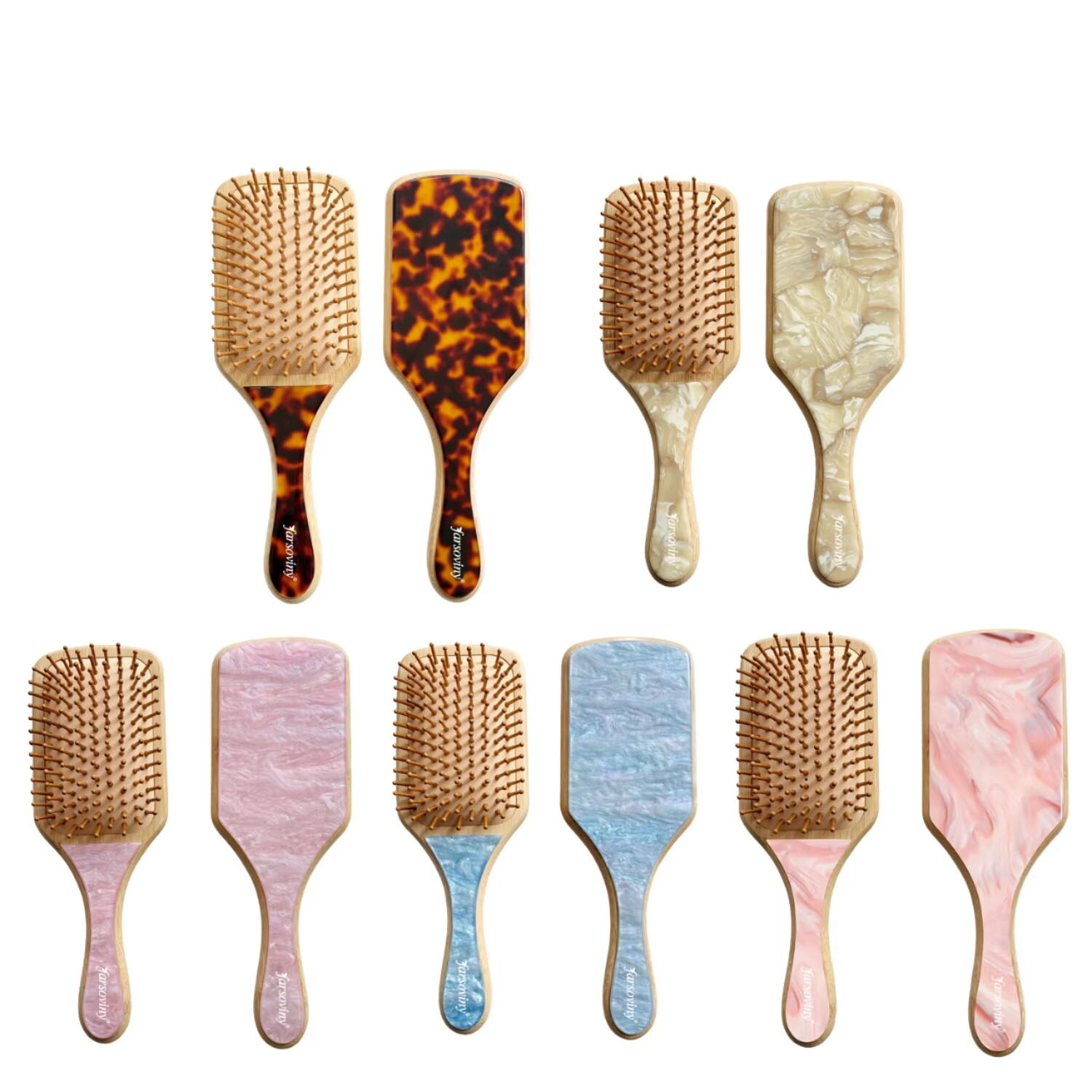
When sourcing personal care products for international markets, identifying a dependable mini hairbrush factory becomes a strategic imperative for importers, distributors, and retail brands. The global hairbrush manufacturing sector is crowded with suppliers claiming export capabilities, yet distinguishing between truly reliable partners and substandard operations requires understanding specific operational, compliance, and quality indicators. Export reliability in the mini hairbrush manufacturing context extends beyond basic production capacity to encompass regulatory adherence, supply chain transparency, quality assurance systems, and the ability to meet international buyer expectations consistently across shipments and timelines.

For businesses evaluating overseas manufacturing partners, reliability translates directly to reduced risk, predictable delivery schedules, consistent product quality, and compliance with destination market regulations. A reliable mini hairbrush factory must demonstrate verifiable credentials across multiple dimensions including production infrastructure, quality control protocols, export documentation competence, and customer service responsiveness. This comprehensive examination explores the critical factors that distinguish export-ready mini hairbrush manufacturers from facilities lacking the structural foundations necessary for sustainable international trade partnerships.
Manufacturing Infrastructure and Production Capabilities
Modern Equipment and Technology Integration
A reliable mini hairbrush factory maintains current production machinery specifically calibrated for small-format hairbrush manufacturing. Modern injection molding equipment with precise temperature controls ensures consistent plastic handle quality, while automated bristle insertion systems guarantee uniform density and alignment across production runs. Facilities equipped with computer-controlled manufacturing systems demonstrate investment in quality consistency, reducing human error and enabling scalable production without quality degradation. Export-focused factories typically operate multiple production lines to accommodate diverse order specifications simultaneously, preventing delays when customization requirements vary across international clients.
The presence of in-house mold fabrication capabilities signals manufacturing depth and flexibility. Mini hairbrush factories that design and produce their own molds can accommodate custom specifications more efficiently than facilities dependent on external tooling suppliers. This capability directly impacts lead times for new product development and reduces costs for clients requiring proprietary designs. Additionally, advanced facilities integrate automated quality inspection stations within production lines, using optical sensors and weight verification systems to identify defects before products reach final packaging stages.
Production Capacity and Scalability
Export reliability demands sufficient production capacity to fulfill international orders without compromising delivery timelines. A dependable mini hairbrush factory operates with capacity utilization rates that allow flexibility for order surges while maintaining consistent output quality. Factories running near maximum capacity continuously face increased defect risks and schedule delays, whereas facilities maintaining strategic capacity reserves can accommodate urgent orders and seasonal demand fluctuations. Importers should evaluate daily production volumes, shift operations, and workforce size to ensure alignment with anticipated order quantities.
Scalability extends beyond raw production numbers to include supply chain depth. Reliable manufacturers maintain relationships with multiple raw material suppliers, ensuring bristle materials, plastic resins, and packaging components remain available even during supply disruptions. This supplier diversification protects international buyers from production halts caused by single-source dependencies. Furthermore, export-capable factories demonstrate workforce scalability through established recruitment and training protocols, enabling rapid expansion during high-demand periods without sacrificing product consistency or workplace safety standards.
Quality Control Systems and Certifications
Comprehensive Quality Assurance Protocols
Quality reliability in a mini hairbrush factory begins with documented quality management systems governing every production stage. ISO 9001 certification indicates formalized quality procedures, while facilities pursuing international markets often obtain additional certifications like BSCI for social compliance or specific cosmetic accessory standards relevant to destination markets. These certifications require regular third-party audits, ensuring sustained adherence to quality standards rather than temporary compliance during initial assessments. Buyers should verify certification validity dates and review recent audit reports when evaluating factory reliability.
Effective quality control encompasses incoming material inspection, in-process monitoring, and finished product testing. A mini hairbrush factory implementing rigorous protocols tests bristle pull strength, handle durability, and dimensional accuracy against specified tolerances. Statistical process control methods track defect rates across production batches, enabling proactive adjustments before quality deviations affect entire shipments. Factories maintaining dedicated quality laboratories with testing equipment for chemical composition, stress resistance, and material safety demonstrate commitment to product integrity beyond visual inspection alone.
Product Safety and Regulatory Compliance
Export markets impose strict safety requirements for personal care accessories, particularly products intended for children. Reliable mini hairbrush factories conduct material safety testing to verify compliance with regulations like REACH for European markets, CPSIA for United States exports, or comparable standards in other jurisdictions. Factories should provide material safety data sheets, phthalate testing certificates, and heavy metal content reports upon request. These documents prove essential for customs clearance and retail distribution in regulated markets.
Beyond chemical safety, mechanical safety testing verifies that mini hairbrushes withstand typical use stresses without breaking or releasing small parts that pose choking hazards. Export-focused factories understand destination-specific requirements and proactively test products against relevant standards before shipment. This forward compliance approach prevents costly rejections at destination ports and protects buyer reputations. Factories maintaining updated knowledge of changing international regulations demonstrate the operational sophistication necessary for sustainable export partnerships.
Export Experience and Documentation Competence
International Trade Expertise
A mini hairbrush factory's export reliability directly correlates with demonstrated international trade experience. Facilities serving diverse geographic markets understand varying documentation requirements, shipping protocols, and customs procedures across different countries. Experienced exporters maintain relationships with freight forwarders, understand Incoterms implications, and accurately calculate landed costs including duties and compliance fees. This expertise prevents shipment delays caused by documentation errors or misunderstanding of importing country requirements.
Export history verification provides insight into factory reliability. Buyers should request references from existing international clients, particularly those in similar markets or distribution channels. Factories willing to provide verifiable customer references demonstrate confidence in their service quality and relationship stability. Additionally, examining the factory's export value trends over recent years reveals growth patterns indicating market acceptance and operational consistency. Declining export volumes may signal quality problems, compliance failures, or customer service deficiencies that prompted client departures.
Documentation Accuracy and Timeliness
Export documentation errors cause customs delays, additional inspection costs, and potential cargo holds at destination ports. A reliable mini hairbrush factory prepares accurate commercial invoices, packing lists, certificates of origin, and product compliance documents as standard procedure. Facilities implementing document management systems reduce errors through standardized templates and verification checkpoints before shipment departure. Buyers should evaluate sample documentation during factory assessments, checking for completeness, accuracy, and alignment with order specifications.
Timeliness in documentation delivery enables buyers to prepare for cargo arrival and arrange customs clearance efficiently. Factories that provide shipping documents immediately upon cargo departure facilitate smooth logistics operations, whereas delayed documentation creates unnecessary complications and storage fees. Electronic document transmission capabilities, including digital signatures and secure file sharing platforms, indicate operational modernization and responsiveness to buyer needs. Export-capable mini hairbrush factories understand that documentation reliability equals physical product reliability in overall partnership value.
Communication Standards and Customer Service
Multilingual Capability and Responsiveness
Effective communication forms the foundation of reliable international manufacturing partnerships. Mini hairbrush factories serving global markets maintain English-proficient staff capable of discussing technical specifications, addressing quality concerns, and coordinating production schedules without language barriers creating misunderstandings. Some facilities employ multilingual teams to serve specific regional markets, demonstrating commitment to customer accessibility. Communication competence extends beyond language ability to include technical knowledge, enabling factory representatives to understand buyer requirements accurately and propose practical solutions to specification challenges.
Response timeliness indicates operational priorities and customer service commitment. Reliable mini hairbrush factories acknowledge inquiries within 24 hours and provide substantive responses to technical questions within reasonable timeframes. Factories maintaining dedicated export sales teams typically demonstrate superior responsiveness compared to facilities handling international orders through general sales departments. Buyers should evaluate communication quality during initial interactions, as pre-sale responsiveness generally reflects post-sale service standards. Factories employing customer relationship management systems track communication history, ensuring continuity when multiple staff members interact with the same client.
Transparency and Problem Resolution
Operational transparency distinguishes reliable manufacturers from those concealing quality issues or production difficulties. A dependable mini hairbrush factory proactively communicates production status, promptly discloses potential delays, and provides honest assessments of capability limitations. This transparency enables buyers to adjust their planning rather than discovering problems only when expected shipments fail to arrive. Factories offering production progress updates, photographic inspection reports, and pre-shipment samples demonstrate commitment to buyer satisfaction and quality assurance.
Problem resolution approaches reveal factory reliability under challenging circumstances. Manufacturing issues inevitably arise, but reliable facilities address defects through immediate communication, root cause analysis, corrective action implementation, and appropriate remediation for affected buyers. Factories that defensively deny problems, blame external factors without investigation, or resist reasonable quality claims demonstrate poor partnership potential. Conversely, manufacturers implementing continuous improvement processes based on customer feedback show operational maturity and commitment to sustained quality enhancement.
Financial Stability and Business Practices
Company Longevity and Financial Health
A mini hairbrush factory's financial stability directly impacts export reliability, as financially stressed manufacturers may cut quality corners, delay material purchases, or suddenly cease operations. Company longevity provides initial reliability indicators, with established factories demonstrating sustained market viability. Buyers should verify business registration dates, ownership stability, and facility investment timelines. Factories making recent capital investments in equipment modernization or facility expansion signal financial health and growth orientation rather than decline management.
Financial verification through business credit reports, bank references, or trade references reduces partnership risks. While complete financial disclosure remains uncommon, reliable mini hairbrush factories provide sufficient transparency to establish creditworthiness for payment term negotiations. Factories accepting letters of credit from established banks demonstrate financial legitimacy, as banks conduct due diligence before issuing credit instruments. Additionally, facilities maintaining insurance coverage including product liability and export credit insurance show risk management sophistication and financial responsibility.
Ethical Business Standards and Social Compliance
Social compliance increasingly influences supplier selection decisions as brands face reputational risks from unethical manufacturing practices. Reliable mini hairbrush factories maintain safe working conditions, fair wage policies, and environmental responsibility aligned with international standards. Certifications like SA8000 for social accountability or BSCI audit completion verify ethical operations through independent verification. Buyers serving socially conscious markets should prioritize factories demonstrating documented compliance with labor laws, workplace safety regulations, and environmental protection requirements.
Environmental practices affect both regulatory compliance and brand alignment. Mini hairbrush factories implementing waste reduction programs, using recycled materials when appropriate, and managing chemical usage responsibly meet increasing sustainability expectations. Factories obtaining environmental management certifications like ISO 14001 demonstrate systematic approaches to environmental impact reduction. These practices ensure compliance with evolving regulations while supporting buyer sustainability initiatives and reducing long-term operational risks associated with environmental violations.
FAQ
How can I verify a mini hairbrush factory's export capabilities before placing orders?
Verification begins with requesting business licenses, export licenses, and relevant quality certifications with current validity dates. Conduct video facility tours to assess production equipment, quality control areas, and warehouse capacity. Request verifiable customer references from buyers in your target market, and check trade platforms for buyer reviews and transaction history. Consider engaging third-party inspection services to conduct pre-qualification audits assessing production capacity, quality systems, and compliance documentation. Additionally, start with small trial orders to evaluate product quality, documentation accuracy, and communication reliability before committing to large volume purchases.
What certifications should a reliable mini hairbrush factory possess for international markets?
Essential certifications include ISO 9001 for quality management systems and product safety testing reports complying with destination market requirements such as REACH for Europe, CPSIA for the United States, or equivalent standards for other regions. Social compliance certifications like BSCI or SA8000 verify ethical manufacturing practices increasingly required by major retailers. Factories may also hold ISO 14001 for environmental management or industry-specific certifications for cosmetic accessories. Verify that all certifications remain current and review recent audit reports to ensure ongoing compliance rather than expired credentials. Certification relevance depends on your target markets, so prioritize those aligned with your distribution channels and regulatory requirements.
How does production capacity affect a mini hairbrush factory's export reliability?
Adequate production capacity ensures factories can fulfill orders within agreed timelines without quality compromises caused by rushed production. Facilities operating near maximum capacity face higher defect risks and limited flexibility for order adjustments or urgent requirements. Reliable mini hairbrush factories maintain strategic capacity reserves enabling them to accommodate demand fluctuations and multiple client orders simultaneously. Capacity assessment should include daily production volumes, number of production lines, shift operations, and workforce size. Additionally, evaluate whether the factory maintains backup equipment and diversified material suppliers to prevent production interruptions. Insufficient capacity forces factories to choose between delayed deliveries or subcontracting to unknown facilities, both creating reliability risks for international buyers.
What communication standards indicate a mini hairbrush factory's export readiness?
Export-ready mini hairbrush factories maintain English-proficient staff capable of discussing technical specifications, quality requirements, and logistics coordination without language barriers. Response times under 24 hours for initial inquiries and prompt substantive answers to technical questions demonstrate customer service prioritization. Reliable factories assign dedicated export coordinators ensuring communication continuity and relationship development. They proactively provide production updates, pre-shipment inspection opportunities, and transparent problem disclosure rather than waiting for buyer inquiries. Modern communication infrastructure including video conferencing capabilities, electronic document management, and customer relationship tracking systems indicate operational sophistication. Evaluate communication quality during pre-order interactions, as factories demonstrating responsiveness, technical knowledge, and transparency before receiving payment typically maintain these standards throughout the business relationship.
Table of Contents
- Manufacturing Infrastructure and Production Capabilities
- Quality Control Systems and Certifications
- Export Experience and Documentation Competence
- Communication Standards and Customer Service
- Financial Stability and Business Practices
-
FAQ
- How can I verify a mini hairbrush factory's export capabilities before placing orders?
- What certifications should a reliable mini hairbrush factory possess for international markets?
- How does production capacity affect a mini hairbrush factory's export reliability?
- What communication standards indicate a mini hairbrush factory's export readiness?