 EN
EN

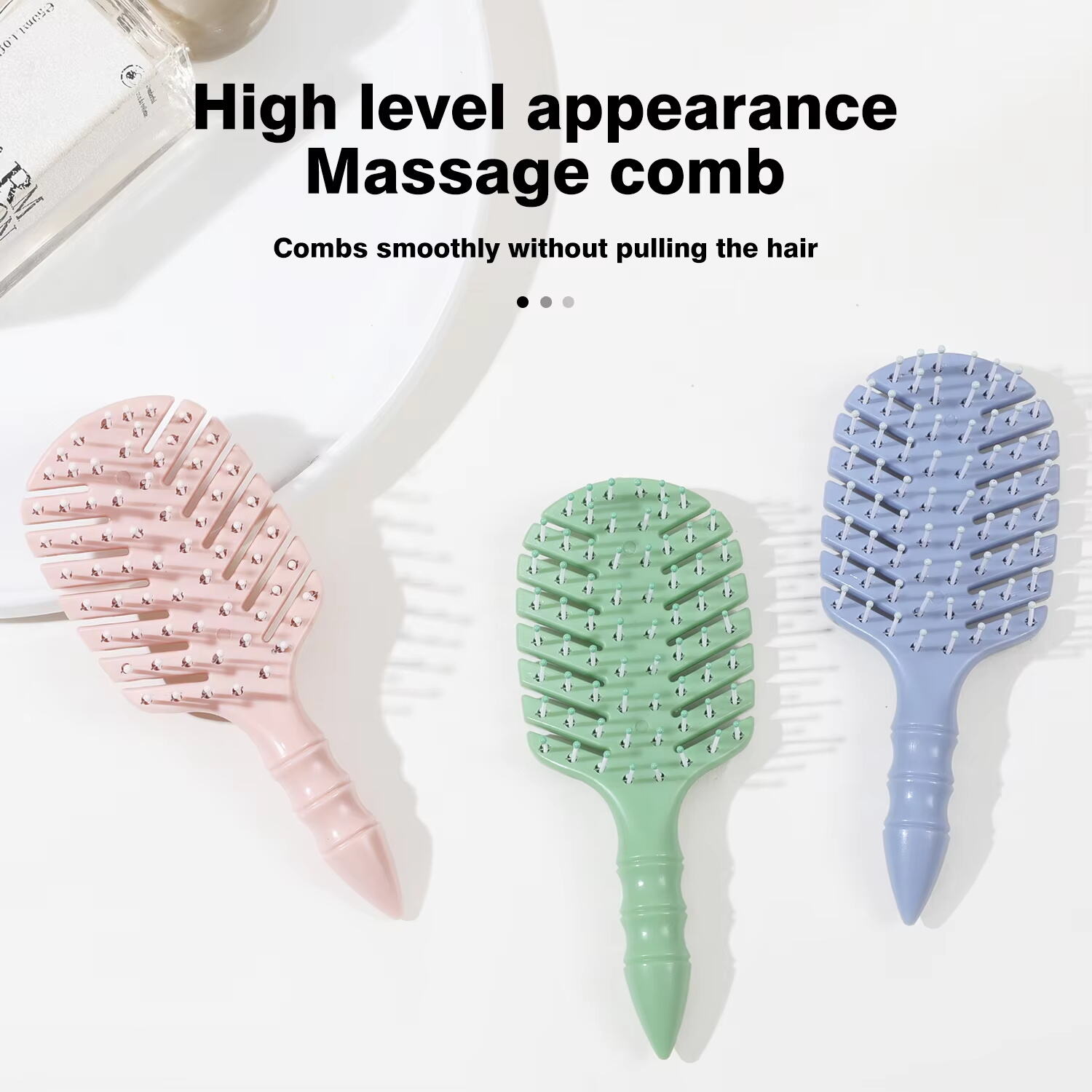
In the competitive landscape of beauty and personal care products, brands are constantly searching for manufacturing partners that deliver quality, flexibility, and market-responsive innovation. The decision to collaborate with a specialized mini hairbrush factory represents a strategic advantage that extends far beyond simple production capabilities. As consumer preferences shift toward portable, travel-friendly grooming solutions and niche markets like children's hair care expand, the expertise offered by dedicated mini hairbrush manufacturers becomes increasingly valuable for brands seeking differentiation and operational efficiency.

Understanding why a mini hairbrush factory serves as the optimal manufacturing partner requires examining the specific advantages these specialized facilities bring to brand development, product quality, and market positioning. Unlike general hairbrush manufacturers or large-scale factories producing diverse product lines, a focused mini hairbrush factory concentrates resources, technical knowledge, and production systems exclusively on compact grooming tools. This specialization translates into tangible benefits that directly impact brand success, from superior product consistency to faster adaptation to emerging market trends in portable beauty accessories.
Specialized Expertise in Compact Grooming Product Development
Engineering Precision for Reduced Form Factors
A dedicated mini hairbrush factory possesses refined engineering capabilities specifically developed for creating functional grooming tools within constrained dimensions. Manufacturing compact hairbrushes requires different technical considerations than producing standard-sized products, particularly in bristle density optimization, handle ergonomics at reduced scale, and structural integrity despite smaller material volumes. Engineers at specialized facilities understand the biomechanical challenges of designing brushes that remain effective when grip area is limited and bristle platforms are condensed.
This technical expertise becomes particularly valuable when brands need to balance portability with performance. A mini hairbrush factory employs design methodologies that maintain adequate bristle spacing for effective detangling while maximizing brush head coverage within minimal dimensions. The factory's accumulated knowledge in material selection ensures that compact handles maintain comfortable grip characteristics and that smaller brush heads distribute pressure appropriately across the scalp without causing discomfort during use.
Furthermore, specialized facilities develop proprietary techniques for securing bristles in compact configurations, addressing the unique challenge of maintaining bristle retention when anchor points are closer together and base materials are thinner. This technical proficiency directly translates to product reliability, reducing warranty claims and enhancing brand reputation through consistently high-quality mini hairbrush offerings that perform as intended throughout their product lifecycle.
Material Science Tailored to Portable Applications
The material requirements for mini hairbrush manufacturing differ significantly from those of full-sized counterparts, and a specialized mini hairbrush factory develops deep expertise in selecting and processing materials optimized for compact applications. Portable grooming tools face unique stress patterns, frequent handling in confined spaces like purses or travel bags, and exposure to varied environmental conditions during transport. Factory specialists understand which polymer formulations provide optimal flexibility without brittleness in reduced thicknesses, which bristle materials maintain shape memory in tighter configurations, and which surface treatments enhance durability under frequent friction.
This material science expertise extends to understanding the interplay between component materials in compact assemblies. A mini hairbrush factory develops knowledge of thermal expansion coefficients between different plastics used in multi-component handles, adhesive performance in small-scale assemblies exposed to temperature variations, and coating compatibility on reduced surface areas. These technical considerations ensure that branded products maintain structural integrity and aesthetic appearance throughout their intended lifespan, even when subjected to the challenging conditions typical of portable personal care items.
Additionally, specialized factories stay current with emerging materials specifically suited to compact grooming applications, including bio-based polymers with favorable strength-to-weight ratios, advanced elastomers that enhance grip in minimal handle designs, and antimicrobial bristle treatments that provide hygiene benefits particularly important for products stored in enclosed spaces. This material innovation capability positions brand partners to introduce differentiated products that address evolving consumer preferences for sustainable, high-performance portable grooming solutions.
Production Efficiency and Quality Control Advantages
Optimized Manufacturing Systems for Compact Products
A focused mini hairbrush factory designs its entire production infrastructure around the specific requirements of compact grooming tool manufacturing, creating operational efficiencies that general-purpose facilities cannot match. Tooling, machinery settings, material handling systems, and workflow configurations are all optimized for the dimensional characteristics and production volumes typical of mini hairbrush products. This specialization reduces setup times between production runs, minimizes material waste through precise cutting and forming operations, and accelerates throughput by eliminating the adjustments required when switching between drastically different product sizes.
The efficiency advantages extend to inventory management and component sourcing. Because a mini hairbrush factory concentrates on a defined product category, it maintains optimized stock levels of relevant materials and components, reducing lead times and enabling faster response to brand orders. Supplier relationships are cultivated specifically around materials suitable for compact grooming products, often resulting in better pricing, priority allocation during supply constraints, and access to specialized materials that broader manufacturers might not stock regularly. These operational efficiencies translate directly into cost advantages and production flexibility for brand partners.
Moreover, specialized production systems enable greater manufacturing precision in the critical dimensional tolerances that determine mini hairbrush quality. Automated inspection systems are calibrated specifically for the measurement ranges relevant to compact products, quality control protocols focus on the specific failure modes common in portable grooming tools, and process controls are tuned to the material behaviors observed in small-scale hairbrush components. This targeted approach to manufacturing excellence ensures consistent product quality that meets brand specifications with minimal variation between production batches.
Quality Assurance Protocols for Portable Grooming Tools
The quality challenges inherent in mini hairbrush manufacturing demand specialized testing and validation protocols that a dedicated factory develops through focused experience. Compact grooming tools must withstand different usage patterns than full-sized brushes, including more frequent handling, storage in confined spaces with other objects, and application in varied grooming contexts from quick touch-ups to full styling sessions. A specialized mini hairbrush factory implements testing regimens that simulate these real-world conditions, including drop testing from purse heights, compression testing under typical bag-storage loads, and bristle retention testing after repeated use cycles typical of portable applications.
These comprehensive quality protocols extend beyond physical durability to encompass performance characteristics critical to user satisfaction. A mini hairbrush factory evaluates detangling effectiveness across different hair types at the reduced bristle densities typical of compact designs, assesses static generation under the friction conditions created by portable use, and validates ergonomic comfort during the shorter grip durations common with travel brushes. This performance-focused quality assurance ensures that branded products deliver satisfying user experiences despite their reduced dimensions, maintaining brand reputation and encouraging repeat purchases.
Furthermore, specialized quality systems address the aesthetic standards particularly important in portable personal care products that are frequently used in semi-public settings. Surface finish consistency on small components, color matching across production batches, and graphics clarity on reduced decoration areas all receive focused attention from quality teams experienced in the visual standards expected for premium compact grooming tools. This attention to aesthetic quality supports brand positioning in competitive markets where product appearance significantly influences purchase decisions and perceived value.
Market Responsiveness and Product Development Agility
Rapid Prototyping for Emerging Grooming Trends
The concentrated focus of a mini hairbrush factory creates significant advantages in product development speed, enabling brands to respond quickly to emerging market opportunities in the dynamic portable grooming sector. With engineering resources, tooling capabilities, and material expertise all aligned around compact hairbrush production, these specialized facilities can move from concept to prototype far more rapidly than diversified manufacturers juggling multiple product categories. This agility proves particularly valuable when brands identify trending opportunities in specific niches such as children's grooming tools, travel beauty accessories, or specialized brushes for textured hair care in compact formats.
The rapid prototyping capability extends to iterative refinement processes that allow brands to optimize designs before committing to full production tooling. A mini hairbrush factory maintains flexible prototyping resources specifically configured for compact grooming products, enabling quick turnaround on design variations that test different bristle configurations, handle ergonomics, or material combinations. This iterative approach reduces the risk of market introduction while ensuring that final products are thoroughly optimized for their intended applications and target demographics, whether addressing the needs of young children, frequent travelers, or consumers seeking specialized styling tools in portable formats.
Additionally, specialized factories often maintain libraries of proven design elements and component configurations that can be rapidly adapted to new product concepts, further accelerating development timelines. Bristle patterns validated for specific hair types, handle geometries optimized for different hand sizes, and material combinations tested for particular use environments can be quickly recombined into new product variants, allowing brands to expand their mini hairbrush offerings efficiently while maintaining quality standards and performance characteristics that have been refined through previous production experience.
Customization Capabilities for Brand Differentiation
A dedicated mini hairbrush factory develops customization capabilities specifically relevant to compact grooming products, enabling brands to create differentiated offerings that stand out in competitive retail environments. These customization options extend beyond simple color variations to include functional modifications tailored to specific market segments, such as bristle configurations optimized for fine children's hair, handle designs incorporating antimicrobial materials for hygiene-conscious consumers, or dual-sided brush heads that combine detangling and smoothing functions in minimal form factors suitable for travel applications.
The customization expertise encompasses both aesthetic and functional dimensions critical to brand identity. A mini hairbrush factory understands how to implement distinctive design elements within the constraints of compact production, including specialized surface textures on reduced handle areas, multi-material construction techniques that create visual interest in small products, and integrated features like folding mechanisms or protective covers that enhance portability while maintaining manufacturing feasibility. This capability allows brands to develop signature product characteristics that build recognition and loyalty among target consumers seeking specific benefits in portable grooming solutions.
Furthermore, specialized factories develop flexible production systems that accommodate varying order volumes across customized SKUs, enabling brands to test market response to different product variants without committing to excessive inventory. This production flexibility supports strategic market exploration, allowing brands to identify the most resonant product features and configurations before scaling investment in particular variations. The ability to efficiently produce smaller batches of customized mini hairbrush designs reduces market entry risk while providing the product diversity necessary to address segmented consumer preferences in the portable grooming category.
Cost Structure and Investment Efficiency Benefits
Economies of Specialization in Component Sourcing
The focused purchasing power of a mini hairbrush factory creates cost advantages through economies of specialization that benefit brand partners through competitive pricing and stable supply conditions. By concentrating procurement on the specific materials and components used in compact grooming products, specialized facilities achieve volume efficiencies with relevant suppliers, securing favorable pricing on items like small-gauge bristle materials, compact injection molding resins suitable for reduced wall thicknesses, and specialized fasteners or assembly components used in portable brush construction. These procurement efficiencies translate into lower component costs that can be passed through to brand partners or invested in enhanced quality specifications.
The supply chain relationships developed by a mini hairbrush factory also provide stability advantages during periods of material constraints or price volatility. Suppliers prioritize consistent customers with predictable demand patterns in focused product categories, giving specialized factories preferential allocation during shortages and more stable pricing during market fluctuations. This supply security protects brand partners from disruptions that could interrupt product availability or force sudden price adjustments, supporting consistent market presence and protecting brand reputation through reliable product supply.
Additionally, concentrated procurement enables closer collaboration with material suppliers on specification development and quality standards. A mini hairbrush factory can work with suppliers to develop custom material grades optimized for specific applications in compact grooming tools, such as bristle materials with particular stiffness characteristics or polymers formulated for optimal processing in small-scale injection molding. These collaborative relationships drive continuous improvement in component quality and performance, ultimately enhancing the value delivered to brand partners through superior product characteristics and reduced defect rates.
Reduced Tooling Investment Through Specialized Infrastructure
Launching new products with a dedicated mini hairbrush factory typically requires lower initial investment than partnering with general-purpose manufacturers, because specialized facilities maintain existing tooling infrastructure optimized for compact grooming product development. Base tooling for common mini hairbrush configurations, modular mold systems that can be adapted to specific design variations, and standardized production fixtures configured for compact product dimensions all reduce the custom tooling investment required for new product introductions. This infrastructure advantage lowers barriers to market entry and enables brands to allocate more resources to marketing and distribution rather than manufacturing setup costs.
The investment efficiency extends to product variation development within established product lines. A mini hairbrush factory's modular tooling approach allows cost-effective creation of product variants that share core structural elements while incorporating differentiated features targeting specific market segments. Handle length variations, alternative bristle configurations, or different material specifications can often be implemented through tooling inserts or process parameter adjustments rather than complete new mold sets, dramatically reducing the investment required to expand product offerings and test market response to different feature combinations.
Furthermore, specialized factories typically offer lower minimum order quantities than diversified manufacturers because their focused production systems achieve efficiency at smaller batch sizes. This flexibility enables emerging brands to enter the mini hairbrush market with manageable inventory investment while still accessing professional manufacturing quality and support services. The reduced financial barriers support brand experimentation and market testing, allowing companies to validate product concepts and build market presence before scaling to larger production commitments that would be necessary with less specialized manufacturing partners.
Strategic Partnership Value Beyond Manufacturing
Market Intelligence and Category Insights
Collaborating with a specialized mini hairbrush factory provides brands with valuable market intelligence derived from the factory's concentrated focus on the compact grooming category. These facilities work with multiple brands across various market segments, accumulating insights about emerging trends, successful product features, and evolving consumer preferences in portable beauty tools. While maintaining appropriate confidentiality regarding specific brand strategies, experienced factory partners can share general market observations that inform product development decisions, helping brands identify promising opportunities and avoid saturated niches or declining product categories.
This market perspective proves particularly valuable for brands entering new geographic markets or demographic segments where mini hairbrush preferences may differ from their established territories. A factory with international production experience understands regional variations in preferred bristle stiffness, handle length preferences across different cultural contexts, and regulatory requirements for children's grooming products in various jurisdictions. This knowledge helps brands adapt their product specifications appropriately when expanding distribution, reducing the risk of market introduction failures due to misaligned product characteristics or compliance gaps.
Additionally, experienced mini hairbrush factories often maintain connections with material suppliers and technology providers at the forefront of compact grooming product innovation. These relationships provide brands with early awareness of emerging capabilities such as new sustainable materials suitable for portable applications, advanced bristle technologies that enhance performance in compact configurations, or innovative manufacturing processes that enable previously impractical design features. This innovation pipeline access supports brand differentiation and positions forward-thinking companies to lead rather than follow market evolution in the competitive portable grooming sector.
Regulatory Compliance and Quality Certification Support
A dedicated mini hairbrush factory typically maintains comprehensive compliance infrastructure specifically relevant to compact grooming product regulations across major markets, providing valuable support for brands navigating complex certification requirements. These specialized facilities understand the specific testing protocols required for children's hair care products, material safety documentation needed for cosmetic accessories in various regulatory jurisdictions, and quality management system standards expected by premium retailers and distributors. This regulatory expertise reduces compliance burden for brand partners while ensuring that products meet all necessary safety and quality standards before market introduction.
The compliance capabilities extend to maintaining current certifications and testing relationships that individual brands would find costly to establish independently. A mini hairbrush factory may hold facility certifications such as ISO quality management standards, maintain relationships with accredited testing laboratories familiar with personal care product requirements, and possess documentation systems that facilitate efficient regulatory submissions and retailer audits. These established compliance resources allow brands to launch products more quickly and confidently, knowing that manufacturing processes and quality systems meet the rigorous standards expected in regulated personal care markets.
Furthermore, experienced factories provide proactive guidance on compliance considerations during product development, identifying potential regulatory concerns before designs are finalized and tooling investments are committed. This preventive approach avoids costly redesigns or delayed market introductions due to compliance issues discovered late in the development process. By integrating regulatory knowledge into the product development workflow, a specialized mini hairbrush factory helps brands navigate complex requirements efficiently while maintaining focus on market strategy and brand building rather than technical compliance details.
FAQ
What production volumes are typically required when working with a mini hairbrush factory?
Specialized mini hairbrush factories generally offer more flexible minimum order quantities than diversified manufacturers, with initial production runs often starting between 1,000 and 5,000 units depending on the complexity of customization required. Their focused production systems achieve efficiency at smaller batch sizes because tooling, materials, and processes are all optimized specifically for compact grooming products. As brands scale and establish consistent demand patterns, most factories provide volume pricing tiers that reward larger commitments while still maintaining the flexibility to produce smaller quantities of new variants or seasonal offerings. The specific volume requirements depend on factors including the degree of customization, material specifications, and whether the product uses standard components from the factory's existing infrastructure or requires completely custom tooling development.
How long does product development typically take with a specialized mini hairbrush manufacturer?
Development timelines with a dedicated mini hairbrush factory are generally shorter than with diversified manufacturers due to their concentrated expertise and optimized prototyping resources. Initial prototypes for products using existing design elements and standard materials typically arrive within two to four weeks from concept approval, while completely custom designs requiring new tooling development may extend to eight to twelve weeks before production-ready samples are available. The focused nature of these facilities eliminates delays associated with resource allocation across competing product categories and reduces the learning curve typically encountered when manufacturers work outside their core expertise. Most specialized factories also offer expedited development services for time-sensitive market opportunities, though these may carry premium pricing to offset the dedicated resource allocation required for accelerated timelines.
Can a mini hairbrush factory support sustainable material requirements for environmentally conscious brands?
Many specialized mini hairbrush factories have developed expertise in sustainable materials specifically suitable for compact grooming applications, recognizing the growing consumer demand for environmentally responsible personal care products. These capabilities often include bio-based plastics derived from renewable resources that maintain the durability required for portable applications, recycled polymer formulations that meet quality standards for direct consumer contact, and natural bristle materials sourced through verified sustainable supply chains. Because these factories concentrate on a specific product category, they typically invest more deeply in material innovation relevant to that category than diversified manufacturers spreading resources across many product types. Brands should discuss sustainability objectives early in the partnership to ensure alignment on material availability, performance trade-offs, and certification requirements, as truly sustainable materials may involve longer lead times or incremental costs compared to conventional options.
What advantages does a mini hairbrush factory offer for creating children's grooming products specifically?
Specialized mini hairbrush factories provide significant advantages for children's product development because compact dimensions inherently align with child-appropriate sizing, and experienced facilities understand the specific safety, durability, and performance requirements unique to youth grooming tools. These manufacturers typically maintain expertise in softer bristle configurations suitable for delicate children's hair and sensitive scalps, handle designs optimized for smaller hand dimensions and developing motor skills, and material selections that meet the stringent safety standards applied to products intended for young users. Their regulatory knowledge encompasses child-specific testing requirements and documentation standards across major markets, streamlining compliance processes that can be particularly complex for youth-targeted personal care items. Additionally, these factories often have experience with the playful aesthetic preferences and durability expectations that characterize successful children's grooming products, informing design decisions around color selection, decorative elements, and construction approaches that withstand the more demanding use conditions typical of young consumers.
Table of Contents
- Specialized Expertise in Compact Grooming Product Development
- Production Efficiency and Quality Control Advantages
- Market Responsiveness and Product Development Agility
- Cost Structure and Investment Efficiency Benefits
- Strategic Partnership Value Beyond Manufacturing
-
FAQ
- What production volumes are typically required when working with a mini hairbrush factory?
- How long does product development typically take with a specialized mini hairbrush manufacturer?
- Can a mini hairbrush factory support sustainable material requirements for environmentally conscious brands?
- What advantages does a mini hairbrush factory offer for creating children's grooming products specifically?