 EN
EN

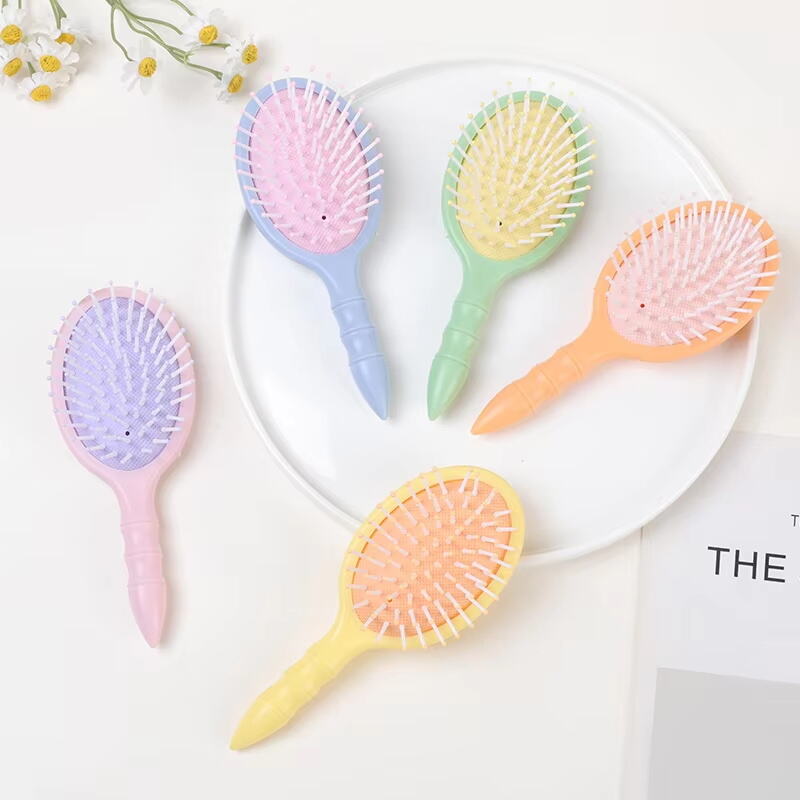
A baby hair brush serves a far more critical function than simply styling infant hair—it acts as a protective tool specifically engineered to safeguard the fragile scalp tissue of newborns and toddlers. Unlike adult hairbrushes that may feature rigid bristles and dense configurations, a properly designed baby hair brush incorporates soft, gentle materials and thoughtful structural elements that prevent scratching, irritation, and damage to the underdeveloped skin layers covering a child's skull. Understanding how these specialized grooming tools provide protection requires examining both the anatomical vulnerabilities of infant scalps and the precise design features that address those sensitivities.
The protective mechanisms of a baby hair brush extend beyond simple gentleness, encompassing scientific principles related to pressure distribution, friction management, and scalp stimulation that supports healthy development. Pediatric dermatologists and child care specialists consistently emphasize that improper grooming tools can lead to conditions ranging from minor scalp irritation to cradle cap exacerbation, making the selection and proper use of an appropriate baby hair brush essential for infant hygiene routines. This article explores the specific ways these specialized brushes shield vulnerable scalp tissue while promoting healthy hair growth and comfortable grooming experiences.
The Unique Vulnerabilities of Baby Scalps
Anatomical Differences in Infant Skin Structure
Baby scalps possess fundamentally different structural characteristics compared to adult scalps, creating unique protection requirements that a specialized baby hair brush must address. The epidermis of newborns measures approximately 20 to 30 percent thinner than mature adult skin, with reduced cohesion between cellular layers and incomplete development of the stratum corneum—the outermost protective barrier. This thinness translates directly to heightened sensitivity, as fewer tissue layers exist to absorb and distribute external pressure from grooming implements.
The dermal layer beneath the epidermis also exhibits lower collagen density and reduced elastic fiber networks in infants, compromising the skin's natural resilience against mechanical stress. When standard brushes with firm bristles contact this delicate tissue, they can create microabrasions that adult skin would easily withstand. A quality baby hair brush counteracts these vulnerabilities through ultra-soft bristle materials such as natural goat hair or silicone, which flex and distribute pressure across broader surface areas rather than concentrating force at individual contact points.
Fontanelle Considerations and Cranial Soft Spots
Perhaps the most distinctive anatomical feature requiring protection during infant hair care is the presence of fontanelles—the membranous gaps between cranial bones that gradually ossify during the first years of life. The anterior fontanelle typically remains open until 12 to 18 months of age, creating areas where only soft tissue and membrane separate grooming tools from the brain and cerebrospinal fluid. Though protected by scalp tissue, these regions demand exceptionally gentle treatment that a properly designed baby hair brush provides through cushioned bristle beds and rounded edges.
Parents often express concern about brushing over fontanelles, but appropriate infant grooming tools enable safe care when used correctly. The key protective mechanism lies in the baby hair brush's ability to distribute grooming pressure across the entire scalp surface rather than creating localized stress points. High-quality infant brushes feature flexible bristle configurations that bend away from resistance rather than applying continued pressure, essentially creating a self-limiting safety mechanism that prevents excessive force application over vulnerable cranial areas.
Sebaceous Gland Activity and Cradle Cap Risk
Infant scalps exhibit paradoxically high sebaceous gland activity despite having fine, sparse hair coverage, leading to conditions like cradle cap (infantile seborrheic dermatitis) that affect up to 70 percent of babies during their first three months. This overproduction of sebum creates thick, yellowish scales that adhere to the scalp surface and can trap dead skin cells, creating an environment prone to irritation if not properly managed. A baby hair brush protects against cradle cap complications by providing gentle mechanical exfoliation that removes scales without causing inflammation or skin barrier disruption.
The protective action occurs through the brush's ability to lift and loosen sebum buildup while stimulating healthy circulation to the scalp tissue. Soft bristles work through accumulated scales gradually, preventing the need for aggressive scraping or chemical treatments that could compromise the already vulnerable skin barrier. Regular use of an appropriate baby hair brush creates a preventive maintenance routine that keeps the scalp environment balanced, reducing the severity and duration of cradle cap episodes while protecting underlying tissue from secondary complications.
Protective Design Features of Baby Hair Brushes
Bristle Material Selection and Softness Engineering
The primary protective element of any baby hair brush resides in its bristle composition and softness characteristics, which must achieve a precise balance between effectiveness and gentleness. Natural bristle materials such as goat hair represent the traditional gold standard, offering inherent flexibility and a microscopic scale structure that creates smooth gliding action across scalp surfaces. These natural fibers typically measure between 0.05 and 0.08 millimeters in diameter—substantially finer than the 0.15 to 0.25 millimeter bristles found in adult brushes—allowing them to flex completely under minimal pressure rather than pushing against delicate tissue.
Modern baby hair brush designs increasingly incorporate medical-grade silicone bristles that provide consistent softness characteristics regardless of environmental conditions like humidity or temperature. Silicone bristles offer the additional protective advantage of being non-porous, preventing bacterial colonization that could transfer to vulnerable infant scalps. The durometer rating of silicone used in quality infant brushes typically ranges from 10A to 30A on the Shore hardness scale, compared to 40A to 60A for general-purpose brushes, ensuring that bristle tips compress and deflect rather than applying concentrated pressure to any single point on the scalp.
Bristle Density and Spacing Configurations
Beyond individual bristle softness, the spatial arrangement of bristles within a baby hair brush significantly influences its protective capabilities through pressure distribution principles. Optimal infant brush designs feature lower bristle density compared to adult tools, typically incorporating 40 to 60 bristles per square centimeter rather than the 80 to 120 bristles found in standard hairbrushes. This reduced density creates greater spacing between individual bristles, allowing each one to move independently and conform to scalp contours without creating cumulative pressure that could indent or irritate sensitive skin.
The spacing configuration also serves a protective function by preventing hair tangling and pulling, which represents a significant discomfort source during infant grooming. Widely spaced bristles in a baby hair brush can glide through fine baby hair without catching or creating knots that would require additional manipulation to resolve. This design consideration becomes particularly important for babies with longer or denser hair, where tangling could otherwise necessitate pulling that stresses both hair follicles and the surrounding scalp tissue, potentially causing inflammation or temporary hair loss in extreme cases.
Cushioned Base Construction and Shock Absorption
Advanced baby hair brush designs incorporate cushioned or pneumatic base construction beneath the bristle bed, creating an additional protective layer that absorbs and distributes grooming forces. These cushioned bases typically consist of rubber or foam padding that compresses when pressure is applied, effectively functioning as a shock absorber between the caregiver's hand movements and the infant's scalp surface. When a cushioned baby hair brush encounters resistance or uneven scalp surfaces, the base flexes and the entire bristle array moves collectively, preventing individual bristles from digging into tissue.
This cushioning mechanism provides particularly important protection during inadvertent impacts or when caregivers are learning proper brushing techniques with their first child. The pneumatic chambers or foam layers can absorb force that would otherwise transfer directly through rigid bristles to vulnerable scalp areas, reducing the risk of accidental injury during routine grooming sessions. Quality baby hair brush products with cushioned bases demonstrate visible compression when moderate pressure is applied, offering caregivers tactile feedback about the force being transmitted to their infant's head.
How Baby Hair Brushes Promote Scalp Health
Circulation Enhancement Through Gentle Stimulation
The protective function of a baby hair brush extends beyond preventing damage to actively promoting scalp health through controlled mechanical stimulation that enhances blood circulation. When soft bristles move across the scalp surface, they create mild pressure waves that dilate superficial capillaries and increase local blood flow to hair follicles and surrounding tissue. This enhanced circulation delivers greater quantities of oxygen and nutrients to the rapidly developing cells in the infant scalp, supporting healthy tissue maturation and hair growth while strengthening the skin's natural barrier functions.
Research in pediatric dermatology indicates that regular gentle stimulation from an appropriate baby hair brush can accelerate the normalization of sebaceous gland activity and improve the overall resilience of infant scalp tissue. The mechanical input appears to signal developing skin cells to enhance their cohesion and barrier protein production, essentially helping the scalp mature toward adult-level protective capabilities more efficiently. This stimulation must remain within carefully controlled parameters—excessive pressure or overly firm bristles would create inflammation rather than beneficial adaptation, which is precisely why specialized infant grooming tools prove essential rather than optional.
Natural Oil Distribution and Moisture Balance
A properly designed baby hair brush protects scalp health by efficiently distributing natural sebum from production sites near hair follicles across the entire scalp surface and down hair shafts. This distribution function serves multiple protective purposes: it creates a more uniform moisture barrier that prevents dry patches where skin could crack and become vulnerable to infection, helps dissolve and incorporate shed skin cells before they accumulate into problematic scales, and maintains the slightly acidic pH environment that discourages pathogenic microorganism colonization on infant scalps.
The bristle configuration of a baby hair brush enables this distribution through capillary action and surface tension effects as soft bristles carry microscopic quantities of sebum along their length during brushing strokes. Natural bristle materials excel at this function due to their porous structure and slight texture, though high-quality silicone bristles in modern baby hair brush designs achieve similar results through engineered surface patterns. Regular brushing with an appropriate tool prevents the common pattern of oily buildup near the crown while other scalp areas remain excessively dry, maintaining the balanced moisture environment that supports optimal barrier function and comfort.
Debris Removal Without Barrier Disruption
Infant scalps accumulate various debris including shed skin cells, environmental particles, dried milk or formula residue, and sebum accumulations that require removal to maintain healthy tissue function. A baby hair brush provides mechanical cleansing that removes this debris without disrupting the developing skin barrier—a critical distinction from harsh scrubbing or chemical cleansers that could strip protective lipids and damage cellular structures. The soft bristles lift accumulated material from the scalp surface while leaving the intact stratum corneum undisturbed, essentially performing selective cleaning that targets only loosened debris.
This selective cleaning capability becomes particularly important for managing cradle cap, where thick scales require removal but aggressive treatment could worsen inflammation and delay healing. A baby hair brush works gradually through multiple gentle sessions rather than attempting complete removal in a single harsh treatment, protecting the underlying tissue from trauma while systematically clearing accumulated scales. The mechanical action also helps topical treatments penetrate more effectively when needed, as removing surface debris allows medicated oils or lotions to reach the actual scalp tissue rather than sitting atop an impermeable scale layer.
Proper Usage Techniques for Maximum Protection
Appropriate Pressure Application and Stroke Patterns
Even the most carefully engineered baby hair brush can only provide optimal protection when used with proper technique, making caregiver education about appropriate pressure and movement patterns essential. The ideal brushing pressure for infant scalps should create visible bristle contact with skin and hair without compressing tissue or creating any visible indentation. Caregivers can calibrate appropriate pressure by first practicing on their own inner forearm—an area with similar sensitivity to infant scalps—using only enough force that bristles bend slightly while remaining comfortable and non-irritating.
Stroke patterns should follow the natural growth direction of baby hair, typically moving from crown toward the periphery in gentle, flowing motions rather than repetitive back-and-forth scrubbing. Each stroke with a baby hair brush should cover approximately three to four inches of scalp surface, with the brush lifted and repositioned rather than dragged continuously across the head. This lifting technique prevents accumulated debris on bristles from being redistributed and ensures that each area receives fresh bristle contact rather than secondary exposure to material already removed from adjacent regions.
Frequency Recommendations and Session Duration
The protective benefits of a baby hair brush accumulate through consistent regular use rather than intensive infrequent sessions, with pediatric specialists typically recommending daily brushing lasting two to three minutes for optimal scalp health maintenance. This frequency allows gentle progressive management of sebum production and cell turnover without requiring aggressive intervention when conditions like cradle cap develop. Daily use also helps caregivers detect any emerging scalp issues early, when minor adjustments to care routines can address problems before they require medical treatment.
Session duration should remain brief enough to prevent infant fatigue or discomfort while providing sufficient coverage of the entire scalp surface. A baby hair brush with appropriate head size typically requires 15 to 20 gentle strokes to cover an infant's entire scalp when used systematically, translating to approximately 90 to 120 seconds of actual brushing time. Additional time may be spent positioning the baby comfortably and creating a calm environment, but the direct physical contact should remain concise to prevent the activity from becoming an unpleasant experience that the child learns to resist.
Hygiene Maintenance and Brush Care
A baby hair brush can only continue providing protective benefits when maintained in sanitary condition, as contaminated bristles could introduce bacteria or fungi to the vulnerable infant scalp rather than promoting health. Proper maintenance protocols include removing accumulated hair and debris after each use by gently pulling material from bristles with fingers or a comb, weekly washing with mild soap and warm water to eliminate oil buildup and microorganisms, and thorough air drying with bristles facing downward to prevent moisture accumulation at the base that could promote mold growth.
Natural bristle baby hair brush products require particular attention to drying, as retained moisture can degrade natural fibers and create bacterial breeding grounds. These brushes benefit from occasional exposure to direct sunlight, which provides natural antimicrobial effects through ultraviolet radiation while helping evaporate any residual moisture trapped within the bristle bed. Silicone bristle versions offer easier maintenance and faster drying but should still be cleaned regularly to prevent biofilm formation on their smooth surfaces. Replacement of any baby hair brush should occur every three to six months or immediately if bristles become damaged, as compromised bristle integrity eliminates the protective features that make these specialized tools effective.
Selecting the Right Baby Hair Brush for Optimal Protection
Age-Appropriate Design Considerations
The protective requirements of a baby hair brush vary significantly across different developmental stages, making age-appropriate selection essential for optimal scalp protection. Newborn brushes designed for infants from birth to approximately six months feature the softest possible bristles with maximum flexibility, typically using premium natural fibers or ultra-soft silicone rated below 20A durometer. These brushes assume the presence of open fontanelles and extremely delicate skin that has not yet developed full barrier function, prioritizing absolute gentleness over detangling capabilities or thorough cleansing.
As infants transition into the six to eighteen month range, their scalps gradually toughen and hair becomes more substantial, allowing for baby hair brush designs with slightly firmer bristles that can address tangling while maintaining appropriate gentleness. These intermediate brushes may feature mixed bristle lengths or dual-density configurations that provide both scalp protection and improved grooming effectiveness. Toddler-stage brushes for children beyond eighteen months can incorporate marginally denser bristle arrangements and larger head sizes while still maintaining the fundamental protective characteristics that distinguish them from adult brushes, supporting the continued vulnerability of developing scalp tissue.
Material Quality Indicators and Safety Standards
Distinguishing between genuinely protective baby hair brush products and inferior alternatives requires understanding material quality indicators and relevant safety standards. Premium natural bristle brushes should specify the animal source—typically goat, pig, or horsehair—with goat hair representing the softest and most desirable option for infant use. The bristles should feel uniformly soft without any stiff or sharp individual fibers that could scratch delicate scalps, and they should demonstrate consistent flexibility when pressed against a surface rather than showing varied stiffness across the bristle bed.
Silicone and synthetic baby hair brush products should specify medical-grade or food-grade materials that meet safety standards for infant contact, avoiding phthalates, BPA, and other potentially harmful compounds that could leach from lower-quality plastics. Certification marks from organizations like ASTM International or European CE marking provide third-party verification that products meet established safety standards for infant care items. The handle construction should feature smooth, rounded edges without sharp seams or detachable small parts that could present choking hazards, reflecting comprehensive safety consideration rather than simply focusing on bristle softness.
Ergonomic Features for Caregiver Control
The protective effectiveness of a baby hair brush depends partially on ergonomic design features that help caregivers maintain proper control during use, preventing accidental excessive pressure or slipping that could cause sudden impacts. Handles should provide secure grip even when wet, incorporating textured surfaces or finger contours that prevent rotation in the hand during brushing strokes. The handle length and angle should position the bristle bed for natural wrist alignment, reducing caregiver fatigue during grooming sessions and minimizing the compensatory grip tension that can translate to excessive brushing pressure.
Lightweight construction represents another important ergonomic consideration, as heavier baby hair brush designs require more muscular effort to control and can lead to inadvertent pressure increases when caregiver arms tire. Premium infant brushes typically weigh between 15 and 40 grams, providing sufficient substance for controlled movement while remaining light enough for extended comfortable handling. Some advanced designs incorporate angle-adjustable heads or flexible neck connections that allow the bristle array to maintain consistent scalp contact even when the handle position varies, compensating for the normal slight variations in hand position that occur during grooming and ensuring consistent protective gentle contact throughout each brushing session.
FAQ
Can a baby hair brush be used on adults with sensitive scalps?
Yes, a baby hair brush can effectively serve adults with sensitive scalp conditions such as psoriasis, eczema, or post-surgical tenderness, though the reduced bristle density may require longer grooming sessions for adults with thick or long hair. The ultra-soft bristles and gentle pressure distribution that protect infant scalps provide similar benefits for compromised adult skin, making these specialized brushes valuable therapeutic tools beyond their intended pediatric application. However, adults with normal scalp resilience may find standard baby hair brush designs insufficient for thorough detangling and styling purposes.
How often should I replace my baby's hairbrush?
A baby hair brush should be replaced every three to six months under normal use conditions, or immediately if bristles show signs of damage such as bending, breaking, or losing their uniform alignment. Regular replacement ensures continued protective performance as bristle materials gradually degrade with repeated washing and use, losing some of their original softness and flexibility. Additionally, replacing the brush periodically prevents long-term accumulation of microorganisms that may persist despite regular cleaning, maintaining optimal hygiene for vulnerable infant scalps.
Is it safe to use a baby hair brush on cradle cap scales?
Using a baby hair brush on cradle cap is generally safe and beneficial when done gently after applying appropriate oils to soften scales, though caregivers should avoid aggressive scrubbing that could irritate underlying inflamed tissue. The soft bristles provide mechanical assistance in lifting loosened scales without damaging the healing skin beneath, working most effectively when incorporated into a comprehensive treatment approach that includes gentle cleansing and moisturizing. If cradle cap appears red, weeping, or infected, or if brushing causes bleeding or significant distress, discontinue home treatment and consult a pediatric healthcare provider.
What is the difference between natural and silicone bristles for baby hair brushes?
Natural bristles in a baby hair brush offer superior oil distribution capabilities and a traditional soft feel, while silicone bristles provide consistent performance regardless of humidity, easier cleaning, and hypoallergenic properties for infants with sensitivities to animal materials. Natural bristle options typically feature microscopic scales along each fiber that help lift and spread sebum, whereas silicone versions rely on precisely engineered surface textures to achieve similar effects. Both materials can provide excellent scalp protection when properly manufactured, making the choice largely dependent on personal preference, maintenance convenience, and any specific allergies or sensitivities the infant may have.