 EN
EN

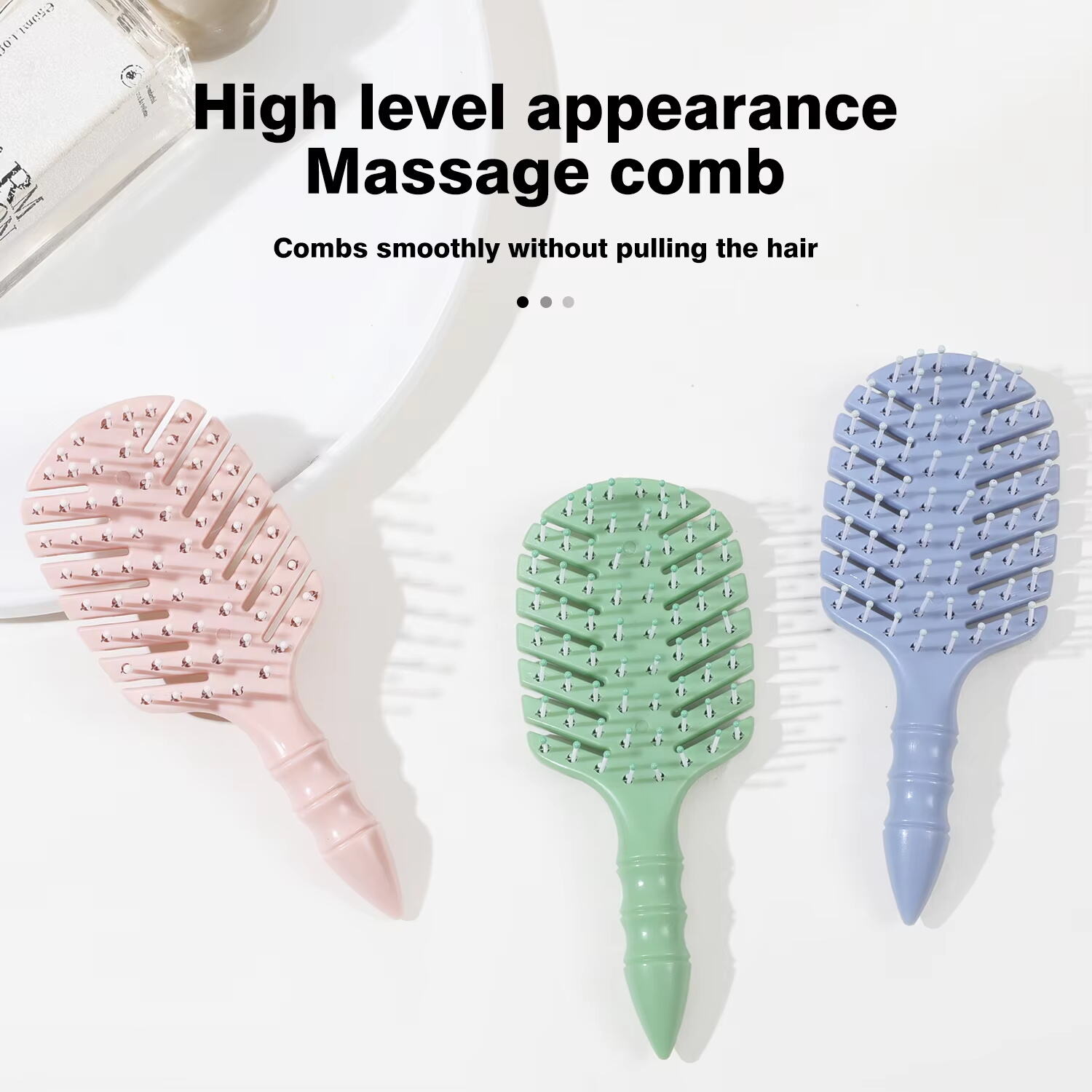
The delicate nature of infant scalp tissue and developing hair follicles requires specialized grooming tools that prioritize safety, comfort, and appropriate stimulation. Baby hair brushes are specifically engineered with unique design features that account for the physiological differences between infant and adult scalps, including thinner skin layers, higher sensitivity to pressure, and the presence of soft spots known as fontanelles. These specialized grooming instruments incorporate softer bristle materials, rounded tips, ergonomic handles, and balanced weight distribution to ensure that parents can maintain their baby's hair hygiene without causing discomfort, scalp irritation, or potential injury during daily care routines.
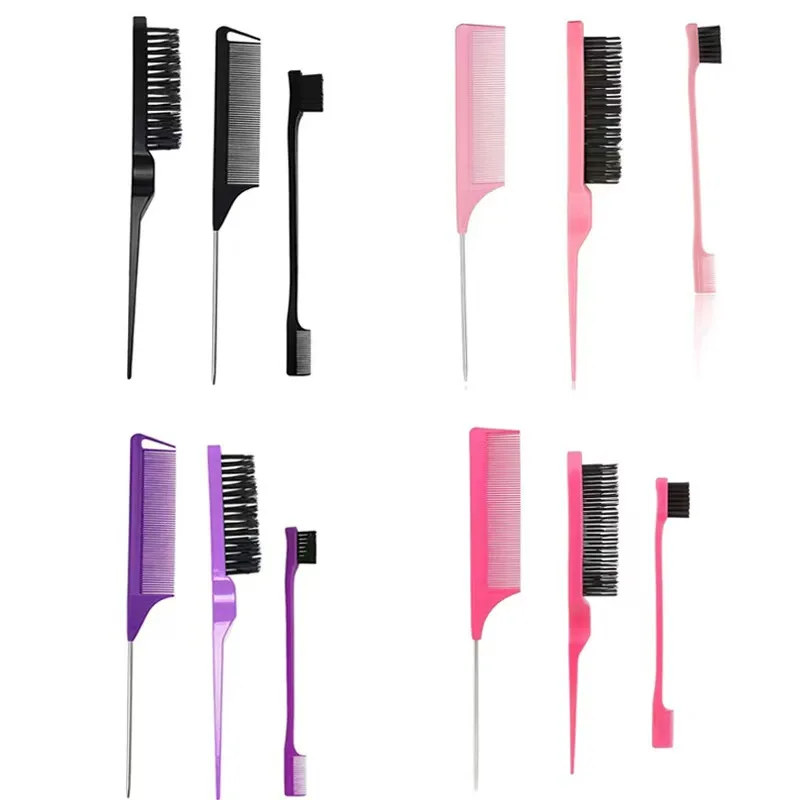
Understanding why baby hair brushes feature gentle care design elements requires examining the biological vulnerabilities of infant scalp structures, the developmental stages of early childhood hair growth, and the practical considerations that parents face when establishing grooming routines. The careful engineering behind these products reflects decades of pediatric dermatology research, parent feedback, and material science innovations aimed at creating tools that protect rather than compromise the integrity of delicate scalp tissue. This comprehensive exploration reveals the scientific rationale, design principles, and practical benefits that make gentle care the foundational philosophy behind all quality baby hair brushes available in today's childcare product market.
Biological Vulnerabilities of Infant Scalp Tissue
Structural Differences in Newborn Skin Layers
The epidermis of newborn infants measures significantly thinner than adult skin, typically ranging between fifteen to twenty percent of mature skin thickness during the first several months of life. This reduced thickness translates directly to increased vulnerability when external pressure or friction is applied during grooming activities. Baby hair brushes address this anatomical reality through bristle flexibility specifications that distribute force across wider surface areas rather than concentrating pressure at individual contact points. The dermis layer beneath the epidermis also contains fewer collagen fibers in infants, reducing the structural support that would normally cushion against mechanical stress from standard brushing tools.
Sebaceous gland activity in newborns follows irregular patterns during early developmental stages, sometimes producing excessive oils that contribute to cradle cap formation while at other times leaving the scalp unusually dry and prone to flaking. These fluctuations require baby hair brushes to function effectively across varying scalp conditions without exacerbating either extreme. The gentle bristle design prevents scratching that could stimulate inflammatory responses in oil-rich areas while simultaneously avoiding static generation that would worsen dryness in low-sebum conditions. This dual-function capability stems from careful material selection and bristle density calculations specific to infant scalp physiology.
Fontanelle Protection Requirements
The anterior fontanelle, commonly known as the soft spot, remains open in most infants until twelve to eighteen months of age, creating a membrane-covered gap in the skull where direct pressure could theoretically affect underlying brain structures. Although the dura mater provides substantial protection, pediatricians consistently advise parents to exercise caution when touching these areas. Baby hair brushes incorporate design features that naturally guide users away from applying concentrated force to fontanelle regions, including rounded bristle tips that deflect rather than penetrate, and handle angles that encourage sweeping motions rather than perpendicular pressure application.
The posterior fontanelle typically closes within the first few months after birth, but the anterior soft spot's extended opening period means that baby hair brushes must remain safe for use throughout the entire first year and often into the second year of life. Manufacturers conduct pressure distribution testing to ensure that even vigorous brushing by inexperienced caregivers cannot generate force concentrations that exceed safe thresholds over fontanelle areas. This engineering consideration influences bristle stiffness grades, spacing patterns, and the overall flexibility of the brush head structure, creating tools that inherently limit maximum pressure regardless of user technique.
Nerve Density and Pain Sensitivity
Infant scalp tissue contains higher concentrations of sensory nerve endings per square centimeter compared to adult scalp tissue, resulting in heightened sensitivity to touch, pressure, and temperature variations. This increased nerve density means that sensations that adults might perceive as mildly uncomfortable could register as genuinely painful for babies, potentially creating negative associations with grooming activities that persist into later childhood. Baby hair brushes counter this sensitivity through ultra-soft natural or synthetic bristles that activate gentle touch receptors without triggering pain pathways, making the brushing experience soothing rather than distressing.
The neurological development of pain processing continues throughout infancy, with younger babies showing less ability to localize discomfort but potentially experiencing more intense generalized distress from irritating stimuli. Quality baby hair brushes take these developmental factors into account by eliminating sharp edges, using polished bristle tips, and maintaining consistent flexibility across the entire brush surface. These design elements ensure that even if a baby cannot communicate exactly where discomfort originates, the likelihood of any painful stimulus occurring during normal brush use remains minimal, supporting positive neurological associations with personal care routines.
Developmental Stages of Infant Hair Growth
Lanugo Transition and Newborn Hair Characteristics
Many newborns enter the world covered partially or fully with lanugo, an extremely fine prenatal hair that typically sheds within the first few weeks of life. This transitional hair possesses unique characteristics including minimal shaft diameter, fragile cuticle structure, and temporary root anchorage that makes it particularly susceptible to premature removal if groomed with inappropriate tools. Baby hair brushes designed for newborn use feature extra-soft bristles that can pass through lanugo without catching or pulling, allowing parents to gently style the hair and remove loose shafts that have naturally detached without disturbing follicles that remain in active growth phases.
Following lanugo shedding, the first generation of true scalp hair emerges with variable texture, density, and growth patterns that often differ dramatically from the hair characteristics the child will display later in life. These initial hairs may be straight, wavy, thick, sparse, or highly uneven across different scalp regions, requiring baby hair brushes to accommodate diverse hair types within a single product design. The gentle care approach ensures that regardless of whether a baby has abundant thick hair or sparse fine coverage, the brushing experience provides appropriate stimulation to the scalp without overstressing the hair shafts themselves, supporting healthy follicle development during these foundational growth stages.
Hair Follicle Cycling and Growth Phase Considerations
Infant hair follicles cycle through anagen, catagen, and telogen phases at different rates than mature follicles, with many newborns experiencing synchronized shedding events that can create temporary bald patches or dramatically thinned areas between three and six months of age. During these transitional periods, remaining hairs may be in various growth phases simultaneously, creating uneven shaft strengths across the scalp. Baby hair brushes must navigate this complex landscape without accelerating the natural shedding process or damaging hairs that should remain anchored for several more months, requiring bristle designs that glide past loose hairs while respecting those still firmly rooted.
The diameter of individual hair shafts gradually increases throughout infancy and early childhood, but during the first year, shaft thickness typically measures thirty to fifty percent smaller than adult hair dimensions. This reduced structural integrity means that excessive tension, repeated friction, or aggressive detangling can cause breakage rather than merely displacing the hair from its styling position. Baby hair brushes address this vulnerability through bristle materials that provide sufficient grip to organize hair without generating the friction coefficients that would stress the shaft cuticle beyond its limited tensile strength, effectively styling while preserving hair health.
Scalp Circulation Stimulation Without Irritation
Gentle brushing with appropriately designed baby hair brushes provides beneficial stimulation to scalp circulation, promoting nutrient delivery to developing hair follicles and supporting healthy growth patterns. However, the line between therapeutic stimulation and irritating overstimulation remains narrow in infant scalp tissue due to the proximity of blood vessels to the skin surface and the reactive nature of immature vascular networks. Quality baby hair brushes achieve optimal stimulation through bristle designs that create rhythmic light pressure waves across the scalp surface rather than concentrated friction points, encouraging blood flow enhancement without triggering inflammatory responses.
The cardiovascular system of infants responds more dramatically to external stimuli compared to adults, meaning that scalp massage effects from brushing can produce systemic relaxation responses that extend beyond the grooming site itself. Many parents report that regular use of baby hair brushes as part of bedtime routines helps calm fussy babies and establish sleep readiness cues. This secondary benefit emerges specifically from gentle care design principles that ensure the sensory experience remains pleasant and soothing rather than stimulating or uncomfortable, demonstrating how thoughtful engineering supports both physical hair health and emotional well-being simultaneously.
Material Science and Safety Engineering
Natural Bristle Versus Synthetic Fiber Selection
Traditional baby hair brushes frequently incorporate natural bristles sourced from materials like soft goat hair, which offers inherent flexibility, fine diameter, and a gentle texture that mimics the softness of infant hair itself. These natural fibers contain microscopic scales along their length that help distribute oils from the scalp through the hair shaft, supporting natural conditioning and preventing dryness. However, natural bristles also present challenges including variable quality between batches, potential allergen concerns for sensitive babies, and moisture retention properties that require thorough drying between uses to prevent bacterial growth in household environments.
Modern synthetic alternatives utilize engineered polymer fibers designed to replicate the beneficial properties of natural bristles while eliminating variability and hygiene concerns. Advanced baby hair brushes may incorporate nylon derivatives treated with antimicrobial coatings, silicone-tipped bristles that provide enhanced gentleness, or specialized polyester blends that maintain consistent flexibility across temperature ranges. These synthetic options allow manufacturers to precisely control bristle diameter, flexibility modulus, and tip geometry to match or exceed the performance characteristics of natural materials while providing superior durability and easier maintenance for busy parents managing multiple daily care routines.
Bristle Tip Geometry and Edge Finishing
The terminal geometry of individual bristles represents perhaps the most critical safety feature in baby hair brushes, as sharp or irregular tips could scratch delicate scalp tissue even when the overall bristle flexibility meets appropriate standards. Premium baby hair brushes undergo specialized finishing processes that round each bristle tip to a smooth hemisphere, eliminating any potential scratch edges that might otherwise exist from the cutting or molding processes used during manufacture. Some advanced designs incorporate ball-tipped bristles where each fiber terminates in a slightly enlarged rounded sphere, further distributing contact pressure and ensuring that even perpendicular contact with the scalp cannot generate concentrated force points.
Quality control protocols for baby hair brushes include microscopic inspection of bristle tips to verify that finishing processes have successfully eliminated all sharp edges, burrs, or irregular surfaces that could compromise gentle care performance. Manufacturers committed to infant safety may test samples from each production batch against standardized synthetic skin materials that simulate infant tissue properties, measuring scratch resistance and ensuring that the brushes cannot create surface damage even under exaggerated pressure conditions. These rigorous validation procedures distinguish professional-grade baby hair brushes from generic grooming tools that may superficially appear gentle but lack the detailed engineering required for consistent safe performance.
Handle Ergonomics and Control Precision
The handle design of baby hair brushes significantly influences how effectively parents can apply appropriate pressure and control brush movement across the scalp surface. Ergonomically optimized handles feature curved profiles that naturally position the brush at optimal angles relative to the scalp, reducing the likelihood that users will inadvertently apply excessive perpendicular force. Textured grip surfaces prevent slipping during use, particularly important when brushing after baths when both the baby and caregiver's hands may be damp, ensuring that sudden movements or dropped brushes do not create safety incidents.
Weight distribution within baby hair brushes affects the tactile feedback that parents receive during use, with properly balanced designs allowing users to sense the amount of pressure being applied through subtle resistance changes. Handles that place the center of gravity close to the brush head improve fine motor control and reduce hand fatigue during extended grooming sessions, while overly heavy or poorly balanced designs may encourage rushed brushing that compromises gentleness. These ergonomic considerations reflect an understanding that baby hair brushes must serve as intuitive tools that guide inexperienced parents toward proper technique rather than requiring extensive training to use safely and effectively.
Practical Benefits and Long-Term Care Outcomes
Cradle Cap Management and Scalp Health
Cradle cap, clinically known as infantile seborrheic dermatitis, affects a substantial percentage of newborns and young infants, creating yellowish crusty patches on the scalp that result from excessive sebum production and cellular turnover. While typically harmless, cradle cap can cause discomfort and cosmetic concerns that parents wish to address through gentle intervention. Baby hair brushes specifically designed for cradle cap management incorporate slightly firmer bristles than standard models while maintaining rounded tips and appropriate flexibility, allowing parents to loosen flaky scales without scratching the underlying inflamed skin or disrupting the natural healing process.
Regular use of gentle baby hair brushes as part of comprehensive cradle cap treatment protocols helps distribute natural oils, remove loose scales, and maintain scalp cleanliness between medicated shampoo applications. The mechanical action of soft bristles moving across affected areas provides exfoliation benefits similar to those achieved with specialized scalp treatments in adults, but calibrated to the reduced tolerance of infant skin. Pediatric dermatologists frequently recommend specific brushing techniques using appropriate baby hair brushes as complementary interventions alongside topical treatments, recognizing that proper tool selection enables parents to participate actively in managing their baby's scalp health without risking iatrogenic damage from overly aggressive grooming approaches.
Establishing Positive Grooming Associations
The sensory experiences that babies encounter during their first year of life contribute significantly to developing neural pathways and emotional associations that influence behavior patterns throughout childhood. When baby hair brushes provide consistently gentle, pleasant tactile stimulation, infants begin to associate grooming activities with comfort and positive attention from caregivers, establishing foundations for cooperative behavior during hair care routines as they grow older. This psychological benefit extends beyond immediate infant care, potentially reducing resistance to brushing, washing, and styling activities during the toddler and preschool years when autonomy struggles often complicate daily care routines.
Parents who incorporate gentle brushing into bonding activities such as pre-nap routines or post-bath cuddling time often find that their babies actively enjoy the sensation and show anticipation when they see baby hair brushes being retrieved. This positive conditioning requires that the tools themselves never cause discomfort or startling sensations that could override the pleasant contextual associations, emphasizing why gentle care design remains non-negotiable rather than merely preferable in quality products. The long-term behavioral benefits of using properly designed baby hair brushes during infancy may include easier transitions to independent grooming skills during early childhood and reduced anxiety around personal care activities throughout developmental stages.
Supporting Parent Confidence and Care Quality
New parents frequently experience anxiety about potentially harming their fragile newborns during routine care activities, with concerns about the soft spot, fear of causing pain, and uncertainty about appropriate pressure levels creating hesitation around necessary grooming tasks. Baby hair brushes engineered with visible gentle care features provide reassurance through their obviously soft bristles, rounded edges, and intuitive handling characteristics, helping parents overcome these psychological barriers and engage confidently in regular hair and scalp maintenance. This confidence-building function serves practical purposes beyond emotional comfort, as consistent grooming prevents tangles, distributes oils, and allows parents to monitor scalp condition for early signs of issues requiring pediatric attention.
The availability of specialized baby hair brushes also validates the importance of infant-specific care approaches, educating parents that adult grooming tools should not be adapted for baby use even when they appear superficially gentle. This categorical distinction encourages caregivers to invest in appropriate equipment across all aspects of infant care, recognizing that developmental differences require purposefully designed solutions rather than improvisation with existing household items. As parents gain experience using well-designed baby hair brushes and observe their babies' positive responses, their overall competence and attentiveness to infant care details typically improves, creating positive feedback loops that enhance care quality across multiple domains beyond hair grooming alone.
FAQ
When should parents start using baby hair brushes on newborns?
Parents can begin using baby hair brushes from the first days after birth, though the specific timing depends on the individual baby's hair coverage and scalp condition. For newborns with substantial hair, gentle brushing helps prevent tangling and distributes natural oils from the first week, while babies with minimal hair benefit from scalp stimulation that supports circulation even when there is little hair to style. Parents should select ultra-soft baby hair brushes specifically labeled for newborn use and initially brush for very brief periods while observing their baby's reactions to ensure the experience remains comfortable. Pediatricians generally recommend establishing a gentle grooming routine early to normalize the sensation and prevent later resistance, though the frequency and duration should be adjusted based on each baby's tolerance and hair care needs.
How often should baby hair brushes be cleaned and replaced?
Baby hair brushes require cleaning after each use to remove accumulated oils, dead skin cells, and any product residues that could harbor bacteria or cause hygiene issues during subsequent applications. Parents should rinse bristles thoroughly with warm water and mild soap, ensuring complete drying between uses to prevent moisture-related bacterial growth, particularly important for natural bristle versions that retain water more readily than synthetic alternatives. Replacement schedules depend on usage frequency and bristle material, but most manufacturers recommend replacing baby hair brushes every three to six months as bristles gradually lose their optimal flexibility and tip geometry degrades through repeated use and cleaning cycles. Parents should inspect brushes regularly for signs of bristle damage, including fraying, stiffening, or tip irregularities that could compromise gentle care performance, replacing any brush that no longer maintains its original soft characteristics regardless of its age.
Can baby hair brushes help with infant hair loss concerns?
While baby hair brushes cannot prevent the normal physiological hair shedding that most infants experience between three and six months of age, gentle regular brushing supports overall scalp health and may optimize conditions for the subsequent growth phase. The circulation-enhancing effects of appropriate brushing with soft baby hair brushes help ensure adequate nutrient delivery to hair follicles, while the removal of loose hairs prevents them from tangling with actively growing strands and potentially causing tension-related discomfort. Parents concerned about apparent hair loss should consult pediatricians to distinguish between normal infant shedding patterns and potential medical conditions, but can confidently continue using proper baby hair brushes as part of general scalp care knowing that gentle grooming tools will not exacerbate natural developmental hair changes. The stress-free grooming experience provided by quality baby hair brushes also helps parents avoid aggressive brushing or excessive manipulation that could theoretically worsen hair loss by prematurely removing hairs that should remain anchored for longer periods.
What distinguishes premium baby hair brushes from basic models?
Premium baby hair brushes incorporate advanced materials, more rigorous quality control processes, and thoughtful design details that collectively enhance safety, effectiveness, and durability compared to basic models. Higher-end products typically feature hand-finished bristle tips with microscopic inspection verification, medical-grade materials with hypoallergenic certifications, and ergonomic handles developed through parent usability testing rather than generic industrial designs. The bristle materials themselves often represent significant value differences, with premium brushes using specially treated natural fibers or advanced synthetic polymers that maintain consistent flexibility across broader temperature ranges and resist degradation from repeated washing more effectively than commodity materials. Additional features distinguishing quality baby hair brushes include antimicrobial treatments that provide ongoing hygiene benefits, reinforced bristle anchoring that prevents shedding during use, and complementary design elements such as integrated scalp massagers or dual-sided configurations that address multiple grooming needs within a single tool, ultimately providing better value through enhanced performance and extended usable life.