 EN
EN

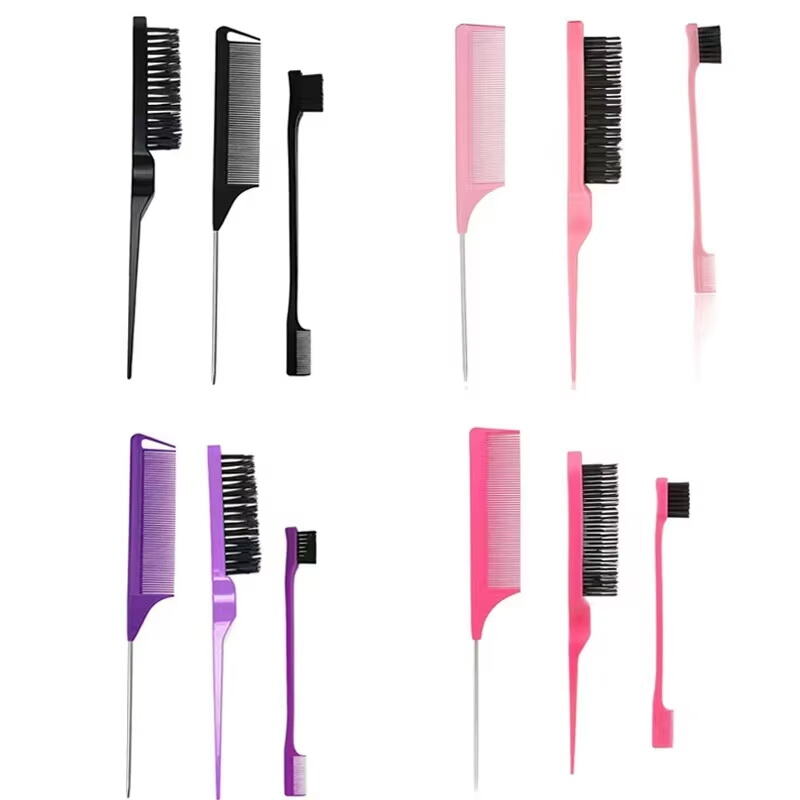
In today's fast-paced world, where professionals, travelers, and busy parents juggle multiple responsibilities throughout the day, maintaining a polished appearance requires tools that adapt to dynamic lifestyles. The mini hairbrush has emerged as an essential grooming accessory that bridges the gap between convenience and effective hair care. Unlike traditional full-sized brushes that occupy significant space in bags and purses, a mini hairbrush delivers targeted styling capability in a compact form factor that fits seamlessly into pockets, clutches, and travel kits. This article explores the specific mechanisms through which these diminutive grooming tools provide both exceptional portability and reliable styling performance, examining the design principles, material selections, and functional features that enable mini hairbrushes to meet the demanding requirements of modern users who refuse to compromise on appearance despite compressed schedules and limited carrying capacity.
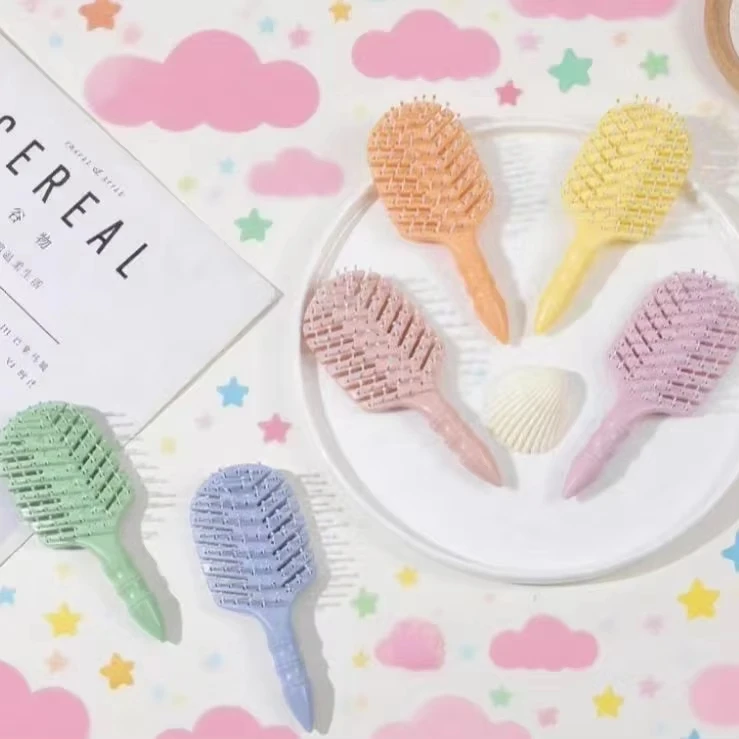
Understanding how a mini hairbrush achieves its dual promise of portability and styling effectiveness requires examining the engineering decisions that differentiate these products from conventional alternatives. Manufacturers have developed sophisticated approaches to compressing bristle technology, handle ergonomics, and material science into formats measuring as small as three to five inches in length. The portability advantage extends beyond mere size reduction—it encompasses weight optimization, protective features that prevent damage during transport, and form factors that complement the carrying habits of target user segments. Simultaneously, styling capability depends on bristle configuration patterns, material flexibility characteristics, and surface design elements that enable the mini hairbrush to detangle hair, distribute natural oils, stimulate scalp circulation, and create finished looks that meet professional appearance standards. By addressing both dimensions simultaneously, quality mini hairbrushes serve as indispensable tools for anyone requiring grooming flexibility across diverse daily contexts.
Portability Engineering in Mini Hairbrush Design
Dimensional Optimization and Space Efficiency
The portability advantage of a mini hairbrush begins with precise dimensional engineering that maximizes functional capability within minimal physical boundaries. Manufacturers typically design these brushes to measure between 3.5 and 5.5 inches in total length, with widths ranging from 1.5 to 2.5 inches depending on bristle configuration. This size range represents a calculated balance between usability and compactness—small enough to disappear into a jacket pocket or makeup bag, yet large enough to provide adequate bristle coverage for effective hair management. The thickness profile receives equal attention, with most quality mini hairbrush designs maintaining depths under one inch including bristle projection. These dimensional specifications allow the mini hairbrush to occupy approximately one-eighth the volume of standard full-sized brushes, creating immediate practical advantages for users with limited carrying capacity. Business travelers can pack multiple mini hairbrushes without sacrificing luggage space, parents can store them in children's backpacks, and professionals can maintain office desk drawers with emergency grooming supplies.
Beyond basic size reduction, portability engineering addresses weight considerations that significantly impact carrying comfort throughout extended periods. High-quality mini hairbrush products typically weigh between 15 and 35 grams, leveraging lightweight plastics, composite materials, and carefully calibrated bristle densities to minimize mass without compromising structural integrity. This weight reduction proves particularly valuable for individuals who carry brushes in clothing pockets, where even modest weight differences affect garment drape and comfort during movement. The mini hairbrush achieves this lightweight characteristic through strategic material selection and structural optimization techniques that eliminate unnecessary mass while preserving the mechanical properties required for effective hair manipulation. Some advanced designs incorporate ergonomic contouring that distributes the already minimal weight across contact surfaces, further enhancing carrying comfort and reducing perception of the tool's presence until needed.
Protective Features for Transport Durability
Portability extends beyond compact dimensions to encompass protective design elements that preserve mini hairbrush functionality despite the mechanical stresses encountered during daily transport. Many quality designs incorporate retractable covers, sliding shields, or snap-on caps that enclose bristles during storage, preventing deformation, contamination, and accidental contact with other items in bags or pockets. These protective features serve dual purposes—they maintain bristle geometry essential for styling performance while preventing the brush from snagging fabric, scratching device screens, or transferring residue to adjacent items. The mini hairbrush with integrated protection mechanisms demonstrates particular value for users who frequently transition between environments, as the brush remains hygienic and ready for immediate use without requiring cleaning or inspection. Some manufacturers design these protective elements using transparent materials that allow visual inspection of bristle condition without removing covers, streamlining pre-use verification processes.
Material durability represents another critical portability dimension, as mini hairbrush products must withstand repeated compression, impact, and environmental exposure that would compromise less robust designs. Quality manufacturers select impact-resistant plastics, flexible nylon bristles, and reinforced connection points that maintain structural integrity despite being subjected to the weight of books, laptops, and other items commonly packed in bags. The bristle attachment system receives particular engineering attention, as loose or detached bristles not only compromise styling effectiveness but create hygiene concerns and bag contamination issues. Advanced mini hairbrush designs employ ultrasonic welding, mechanical interlocking, or chemical bonding techniques that create permanent bristle-to-base connections capable of surviving thousands of use cycles and transport episodes. This durability focus ensures that the mini hairbrush maintains consistent performance throughout its service life rather than degrading into an unreliable tool that users hesitate to depend upon for important grooming situations.
Form Factor Adaptation to Carrying Contexts
Successful mini hairbrush portability depends on form factor designs that align with the specific carrying behaviors and container geometries preferred by target user segments. Manufacturers conduct detailed user research to understand how different demographics transport grooming tools, then optimize brush shapes accordingly. For professional women who carry structured handbags and clutches, rectangular or slightly curved mini hairbrush profiles maximize space efficiency and prevent rolling within compartments. Athletes and fitness enthusiasts benefit from circular or oval designs that nest efficiently within gym bag pockets and withstand compression without damage. Parents selecting mini hairbrush products for children often prefer designs with attached lanyards or clip mechanisms that prevent loss and facilitate quick retrieval from backpacks. These form factor variations demonstrate how portability transcends simple size reduction to encompass thoughtful adaptation to real-world carrying contexts.
The mini hairbrush achieves additional portability advantages through design features that facilitate organization and accessibility within carrying containers. Some models incorporate flat backing surfaces that allow stable positioning within makeup bags and travel kits, preventing the frustrating rolling and shifting that requires users to search through bag contents. Others feature hanging loops or integrated clips that enable attachment to bag interiors, zipper pulls, or key rings, transforming the mini hairbrush from a loose item requiring containment into a securely positioned tool with dedicated storage location. Color variety and distinctive visual designs further enhance portability by improving visibility within bags, reducing retrieval time when users need quick access between meetings, flights, or social engagements. These seemingly minor design considerations collectively produce significant usability improvements that distinguish well-engineered mini hairbrush products from basic size-reduced alternatives that overlook real-world carrying challenges.
Styling Capability Through Bristle Engineering
Bristle Configuration for Detangling Performance
The styling effectiveness of a mini hairbrush depends fundamentally on bristle engineering that replicates the detangling capabilities of full-sized brushes despite working within constrained dimensions. Quality manufacturers achieve this through carefully calculated bristle density patterns that balance coverage area with penetration depth. Typical mini hairbrush designs incorporate between 60 and 120 individual bristles arranged in geometric patterns that maximize hair contact while allowing sufficient spacing for strand separation. The bristle length receives precise calibration, typically ranging from 8 to 12 millimeters, which enables the mini hairbrush to reach through hair layers without excessive flexibility that would reduce detangling force. This dimensional optimization allows the compact tool to address common hair management challenges including knots, tangles, and wind-induced disarray that users encounter throughout daily activities.
Material selection for bristles significantly influences mini hairbrush styling performance, with manufacturers choosing between nylon, boar bristle blends, and specialized synthetic compounds based on target hair types and styling objectives. Nylon bristles provide firm, consistent tension ideal for detangling and smoothing thicker or coarser hair textures, while maintaining flexibility that prevents scalp discomfort during vigorous brushing. Natural boar bristle components, when incorporated into mini hairbrush designs, excel at distributing sebum along hair shafts to enhance natural shine and reduce frizz—particularly valuable for users seeking polished appearance between formal shampoo sessions. Hybrid bristle configurations combine these materials strategically, positioning firmer synthetic bristles in outer rows for initial detangling while placing softer natural bristles in interior positions for finishing passes that smooth cuticles and enhance luster. These sophisticated bristle systems enable the mini hairbrush to deliver specialized styling results that address diverse hair management requirements within a single compact tool.
Scalp Stimulation and Hair Health Benefits
Beyond immediate detangling and smoothing functions, a well-designed mini hairbrush contributes to long-term hair health through scalp stimulation mechanisms that promote circulation and follicle vitality. The bristle tips on quality mini hairbrush products feature rounded or ball-tipped terminations that massage the scalp surface during brushing strokes without causing irritation or scratching. This gentle mechanical stimulation increases localized blood flow to hair follicles, delivering nutrients and oxygen that support healthy hair growth and shaft strength. Users who incorporate regular mini hairbrush sessions into their daily routines often report improvements in hair texture, reduced breakage rates, and enhanced overall hair vitality compared to periods when they relied solely on combing or neglected regular brushing due to lack of convenient tools. The portability advantage of the mini hairbrush directly supports these health benefits by ensuring users maintain consistent grooming habits regardless of location or schedule disruptions.
The spacing and flexibility characteristics of mini hairbrush bristles also influence their effectiveness at removing loose hair, environmental debris, and styling product residue that accumulate throughout the day. Appropriately spaced bristles capture shed hairs efficiently during brushing strokes, preventing their redistribution across the hair mass where they contribute to tangling and unkempt appearance. This cleaning function proves particularly valuable for users in dusty or outdoor environments where hair readily collects particulate matter that dulls appearance and creates uncomfortable sensations. The mini hairbrush facilitates frequent maintenance brushing throughout the day—during lunch breaks, before meetings, or after commutes—that keeps hair fresh and presentable without requiring access to full bathroom facilities or extensive grooming time. This frequent-use capability transforms the mini hairbrush from an emergency backup tool into a primary maintenance instrument that supports consistently polished appearance across all daily contexts.
Static Reduction and Frizz Control Technologies
Modern mini hairbrush designs increasingly incorporate anti-static and frizz control technologies that address common styling challenges exacerbated by environmental conditions and synthetic materials in contemporary settings. Static electricity buildup represents a persistent problem in climate-controlled offices, vehicles, and aircraft where low humidity combines with synthetic fabrics to create charge accumulation that causes flyaway strands and unmanageable hair. Quality mini hairbrush products counter this through ion-generating bristle coatings, conductive material selection, or integrated ceramic components that neutralize static charges during brushing. These technologies enable the mini hairbrush to restore smooth, controlled appearance even in challenging environmental conditions that would otherwise require specialized styling products or professional intervention to manage effectively.
The surface texture and material composition of mini hairbrush bristles also influence their frizz control effectiveness through mechanical smoothing of hair cuticle scales. Bristles with polished surfaces glide along hair shafts more smoothly than rough alternatives, mechanically aligning cuticle scales in parallel orientations that reflect light uniformly and create glossy appearance. Some advanced mini hairbrush designs incorporate tourmaline or other semi-precious stone powders into bristle materials, which generate negative ions when subjected to friction during brushing. These negative ions interact with the positive charges typically present on damaged or static-affected hair, neutralizing the electrical imbalances that cause strand repulsion and frizzy texture. Users working in professional environments where polished appearance carries significant importance particularly value these frizz control capabilities, as they enable quick appearance restoration using only the portable mini hairbrush without requiring access to styling products, heat tools, or water sources.
Material Science Enabling Dual Performance
Structural Plastics Balancing Weight and Durability
The material science underlying effective mini hairbrush design centers on selecting structural plastics that simultaneously minimize weight, maximize durability, and provide appropriate flexibility for comfortable use. Manufacturers typically employ engineering-grade polymers such as ABS (acrylonitrile butadiene styrene), polypropylene, or polycarbonate blends that offer high strength-to-weight ratios essential for portable tools. These materials withstand repeated mechanical stresses including dropping, compression within packed bags, and the cyclic loading generated during vigorous brushing without cracking, deforming, or failing at attachment points. The mini hairbrush handle and base structure must maintain dimensional stability across temperature ranges encountered during daily use—from heated vehicle interiors exceeding 60°C to air-conditioned offices at 18°C—ensuring consistent performance regardless of environmental conditions. Material selection decisions directly impact both the portability dimension through weight reduction and the styling dimension through structural reliability that preserves bristle geometry.
Advanced mini hairbrush designs increasingly incorporate composite materials that combine multiple polymers or integrate reinforcing elements to achieve performance characteristics unattainable with single-material construction. Glass fiber reinforcement increases rigidity and impact resistance in base structures while adding minimal weight, enabling thinner cross-sections that reduce overall dimensions without compromising structural integrity. Elastomeric overmolding on handles provides tactile grip enhancement that improves control during use, particularly important given the reduced handle length available on mini hairbrush designs compared to full-sized alternatives. These material combinations demonstrate sophisticated engineering that recognizes the mini hairbrush as a precision tool requiring careful optimization rather than simply a scaled-down version of conventional brushes. The result is products that feel substantial and confidence-inspiring in hand despite their compact dimensions, encouraging regular use and supporting effective styling technique execution.
Bristle Materials Optimized for Hair Interaction
The bristle materials selected for mini hairbrush construction directly determine the tool's effectiveness at manipulating different hair types while maintaining comfortable scalp interaction. Nylon remains the dominant synthetic bristle material due to its excellent combination of flexibility, durability, and moisture resistance essential for bathroom and travel environments. Quality nylon bristles maintain consistent stiffness across humidity variations, preventing the softening that compromises detangling effectiveness in humid conditions or the brittleness that causes breakage in arid environments. The mini hairbrush benefits particularly from nylon's durability characteristics, as the compact tool experiences higher bristle stress concentrations during use compared to full-sized brushes with greater bristle populations to distribute forces. Manufacturers specify nylon grades with appropriate diameter and flexural modulus to achieve target performance characteristics—thicker, stiffer bristles for coarse or thick hair types, finer, more flexible alternatives for delicate or fine hair textures.
Natural bristle materials, particularly boar hair, provide distinct advantages for specific styling objectives when incorporated into mini hairbrush designs targeting premium market segments. Boar bristles possess microscopic scales on their surfaces that mechanically grip hair strands and facilitate sebum distribution from roots to tips, creating natural conditioning effects that enhance shine and reduce dependence on styling products. The variable diameter characteristic of natural bristles also creates beneficial texture that increases hair contact points compared to uniform synthetic alternatives. However, natural materials introduce challenges for mini hairbrush portability including higher cost, greater moisture sensitivity, and potential hygiene concerns that manufacturers address through careful sourcing, processing, and hybrid design approaches. Many quality mini hairbrush products incorporate strategic combinations of synthetic and natural bristles—using durable nylon for structural support and primary detangling while positioning natural bristles in finishing zones that contact hair during final smoothing passes. These hybrid approaches deliver premium styling results while maintaining the durability and hygiene characteristics essential for portable tools subjected to diverse environments and storage conditions.
Surface Treatments Enhancing Performance Characteristics
Surface engineering technologies applied to mini hairbrush components significantly enhance performance characteristics relevant to both portability and styling effectiveness. Bristle tip treatments represent particularly important interventions, with manufacturers employing rounding, polishing, or ball-tip application processes that prevent scalp scratching and hair damage during use. The mini hairbrush requires especially careful tip treatment because its compact dimensions result in higher bristle density per unit area, increasing the frequency of scalp contact during brushing strokes. Untreated or poorly finished bristle tips cause discomfort that discourages regular use, undermining the portability advantage by making users hesitant to employ the tool throughout the day. Quality manufacturers implement multi-stage finishing processes including heat treatment, mechanical polishing, and quality inspection protocols that ensure every bristle presents a smooth, rounded termination safe for repeated scalp contact.
Handle surface treatments on mini hairbrush designs address grip security and tactile comfort challenges inherent in reduced-size grooming tools. Textured patterns, rubberized coatings, or contoured geometries compensate for the shorter grip length available on compact brushes, preventing slippage during use and enabling effective force application despite reduced leverage. Some manufacturers apply antimicrobial surface treatments to mini hairbrush handles and bases, addressing hygiene concerns particularly relevant for portable tools exposed to diverse environments and stored in close proximity to other items. These treatments inhibit bacterial and fungal growth that might otherwise develop in the warm, occasionally moist conditions encountered in gym bags, bathroom cabinets, or travel kits. The combination of performance-enhancing surface treatments with carefully selected base materials creates mini hairbrush products that deliver reliable, hygienic styling capability across thousands of use cycles while maintaining the compact form factor essential for true portability.
User Experience Design for Combined Benefits
Ergonomic Optimization Within Dimensional Constraints
Achieving effective user experience with a mini hairbrush requires sophisticated ergonomic optimization that maximizes comfort and control within the inherent dimensional limitations of compact designs. Handle geometry receives particular engineering attention, as the reduced length available on mini hairbrush products—typically 2 to 3.5 inches compared to 4 to 6 inches on full-sized brushes—necessitates careful contouring to facilitate secure grip across diverse hand sizes and grip preferences. Quality manufacturers employ anthropometric data to design handle cross-sections that nestle comfortably in the natural curve formed between thumb and fingers, distributing pressure evenly and preventing the localized discomfort that develops during extended brushing sessions. Some mini hairbrush designs incorporate subtle finger positioning indicators or grip zones that guide users toward optimal hand placement, improving brushing effectiveness particularly for individuals less experienced with compact grooming tools.
The balance point positioning on a mini hairbrush significantly influences its handling characteristics and the precision users can achieve during styling operations. Manufacturers strategically distribute mass between handle and bristle zones to position the center of gravity at a location that feels natural during typical brushing motions. When properly balanced, the mini hairbrush rotates smoothly around the grip point, enabling users to execute curved strokes that follow natural head contours without requiring excessive wrist articulation or grip adjustment. This balance optimization proves particularly important for mini hairbrush applications targeting children or individuals with limited hand strength or dexterity, as properly balanced tools reduce the physical effort required for effective use. The compact dimensions that define mini hairbrush products inherently facilitate precise control compared to full-sized alternatives, allowing users to target specific hair zones or execute detailed styling work that would prove awkward with larger implements—an advantage that ergonomic optimization enhances further.
Visual Design Supporting Brand Recognition and User Confidence
The visual design language employed in mini hairbrush products influences user perceptions regarding quality, appropriateness for professional contexts, and alignment with personal style preferences. Manufacturers targeting premium market segments typically employ refined color palettes, subtle texture variations, and minimalist branding approaches that convey sophistication suitable for corporate environments and formal settings. These design choices reassure users that discreet grooming maintenance with a visible mini hairbrush appears professional rather than casual or inappropriately personal in workplace contexts. Conversely, mini hairbrush products designed for children or recreational markets often feature vibrant colors, playful patterns, and character licensing that appeal to younger users and encourage consistent grooming habit formation. The visual design flexibility inherent in modern manufacturing processes enables brands to develop mini hairbrush product lines spanning diverse aesthetic preferences while maintaining consistent functional performance across variants.
Brand identification elements integrated into mini hairbrush designs serve practical functions beyond marketing objectives, particularly for users who carry multiple grooming tools or share household facilities with family members. Distinctive colorways, logo placement, or handle patterns enable quick visual identification within bags or drawers, reducing retrieval time and preventing accidental use of others' personal grooming implements. Some manufacturers offer customization options including name engraving, monogramming, or color selection that transform generic mini hairbrush products into personalized accessories that users develop attachment to and reliably maintain throughout extended service lives. This personalization capability particularly benefits corporate promotional contexts, where branded mini hairbrush products serve as memorable gifts that maintain brand visibility through daily use while providing genuine utility that recipients value. The compact nature of the mini hairbrush makes it an ideal promotional item—useful, portable, and sufficiently affordable for volume distribution while maintaining perceived value appropriate for professional relationship building.
Cleaning and Maintenance Accessibility
The long-term styling effectiveness of any mini hairbrush depends on design features that facilitate regular cleaning and maintenance, ensuring the tool remains hygienic and functionally optimal throughout its service life. Quality designs incorporate bristle spacing and base geometry that prevent hair and debris accumulation in inaccessible zones where buildup would compromise performance. The bristle attachment methodology influences cleaning accessibility significantly—designs employing removable bristle pads or cushioned bases with accessible perimeters enable users to extract trapped hair efficiently using fingertips or simple tools. Some advanced mini hairbrush products feature bristle fields with intentional gaps or cleaning channels that guide accumulated hair toward easily accessible removal points, reducing maintenance effort and encouraging regular cleaning that preserves optimal performance.
Material selections for mini hairbrush components also consider cleaning compatibility, with quality manufacturers specifying plastics and coatings that tolerate exposure to common cleaning agents without degradation. The compact dimensions that define mini hairbrush products actually provide a maintenance advantage compared to full-sized alternatives—the smaller surface area and reduced bristle count enable thorough cleaning in minutes rather than the extended effort required for larger brushes. This maintenance efficiency supports the portability value proposition by ensuring users can quickly restore their mini hairbrush to pristine condition after exposure to dusty environments, styling product residue, or the general accumulation that develops with daily use. Manufacturers who provide clear cleaning guidance and design products facilitating easy maintenance create positive user experiences that encourage long-term product retention and repeat purchasing when replacement eventually becomes necessary. The combination of inherent cleanability with thoughtful design features positions quality mini hairbrush products as practical, maintainable tools rather than disposable accessories requiring frequent replacement.
FAQ
What makes a mini hairbrush more portable than a regular brush?
A mini hairbrush achieves superior portability through dimensional optimization typically reducing length to 3.5-5.5 inches and weight to 15-35 grams, approximately one-eighth the volume of standard brushes. This compact form factor enables storage in pockets, small purses, and travel kits where full-sized brushes cannot fit. Quality designs incorporate protective covers preventing bristle damage and bag contamination during transport, while durable materials withstand compression and impact encountered in daily carrying. The reduced size maintains full styling functionality through engineered bristle configurations and ergonomic handles optimized for compact dimensions, delivering convenience without performance compromise.
Can a mini hairbrush effectively detangle and style different hair types?
Yes, properly engineered mini hairbrush products effectively manage diverse hair types through strategic bristle material selection and configuration optimization. Designs targeting thick or coarse hair employ firmer nylon bristles with appropriate spacing for penetration and detangling force, while versions for fine or delicate hair utilize softer, more flexible bristles preventing breakage. Hybrid bristle systems combining synthetic and natural materials address multiple styling objectives simultaneously—detangling, smoothing, and shine enhancement. The 60-120 bristle count typical in quality mini hairbrush designs provides sufficient hair contact for effective manipulation despite compact dimensions, with bristle lengths of 8-12mm enabling adequate penetration through hair layers.
How do I clean and maintain my mini hairbrush for optimal performance?
Maintain mini hairbrush effectiveness through weekly cleaning removing accumulated hair by pulling strands from bristles using fingers or a comb, facilitated by the compact bristle field requiring less time than full-sized brushes. Monthly deep cleaning involves soaking the brush in warm water with mild shampoo for 5-10 minutes, then gently scrubbing bristles and base with an old toothbrush to remove oil and product residue. Rinse thoroughly and air dry bristle-side down to prevent water accumulation in the base. For brushes with removable bristle pads, separate components for more thorough cleaning access. Avoid harsh chemicals that may degrade plastic components or bristle coatings, and replace the mini hairbrush when bristles show permanent deformation or detachment.
What features should I look for when selecting a mini hairbrush for travel?
Select travel-appropriate mini hairbrush designs featuring protective covers or retractable mechanisms preventing bristle damage and contamination during transport. Prioritize lightweight construction under 30 grams using durable plastics that withstand luggage compression and handling impacts. Choose bristle materials suited to your hair type—nylon for thick hair requiring firm detangling, natural boar bristle blends for fine hair benefiting from gentle smoothing and shine enhancement. Consider ergonomic handle designs with textured grip surfaces enabling effective control despite reduced size. Verify bristle attachment quality through gentle pull testing, and select neutral colors or distinctive patterns facilitating visual identification in bags, reducing retrieval time during travel.